From Ars Technica · · 5m
SpaceX reaches orbit; Rocket Lab lands big contract
SpaceX's Starship finally reaches low-Earth orbit on its 14th flight, while Rocket Lab signs a 20-mission deal with Synspective and other launch providers expand their ambitions.
In brief
SpaceX's Starship finally reaches low-Earth orbit on its 14th flight, while Rocket Lab signs a 20-mission deal with Synspective and other launch providers expand their ambitions. SpaceX's Starship reached low-Earth orbit for the first time on its fourteenth flight, deploying twenty-six Starlink V three satellites…
Starship finally reaches orbit
SpaceX's Starship rocket reached low-Earth orbit on Monday morning for the first time, after fourteen test flights. The massive upper stage accelerated to orbital velocity, a milestone SpaceX had previously avoided for safety reasons.
Twenty-six Starlink V3 satellites deployed
Starship deployed twenty-six of SpaceX's new-generation Starlink V three broadband satellites from its cargo bay. The flat-packed satellites were too large to fit inside SpaceX's Falcon nine rocket and were ejected using pulleys and cables.
Rocket Lab signs twenty-mission deal
Rocket Lab signed its largest Electron launch service agreement to date with Synspective, a Japanese radar Earth-imaging satellite company. The twenty-mission deal extends Synspective's total bookings with Rocket Lab to forty-seven launches, including thirteen already flown.
Rocket Lab CEO celebrates confidence
Peter Beck, Rocket Lab founder and CEO, said the deal represents confidence in Electron's launch cadence, mission reliability, and orbital precision. Synspective has been one of Rocket Lab's most loyal customers since two thousand twenty.
“Signing 20 launches in a single deal is a massive vote of confidence not just in Electron but in the launch cadence, mission reliability, and orbital precision that Rocket Lab consistently delivers.”
Portuguese company acquires Orbex assets
Omnidea, a Portuguese space technology business, acquired the assets and intellectual property of Orbex, the Scottish rocket maker that collapsed earlier this year. Omnidea plans to establish UK operations at Orbex's former manufacturing facility in Scotland.
Orbex Prime rocket remains dead
Omnidea plans to use the Scotland base for structures development and fabrication and as a hub for flight and ground system electronics. Orbex's Prime rocket, which never reached a launch pad, will not be resurrected.
Crew-thirteen launches to ISS
A four-person crew launched Thursday from Cape Canaveral Space Force Station, Florida, aboard a Falcon nine rocket and Dragon spacecraft. They departed from Space Launch Complex-forty at eleven ten am EDT and reached orbit nine minutes later.
Jessica Watkins makes history
Commander Jessica Watkins became the first Black woman to lead a mission into space. Her crewmate, Canadian astronaut Joshua Kutryk, launched while expecting his third child later this year.
Dragon repair involved welding
The Crew-thirteen launch was delayed several weeks to fix a leaky valve on Dragon's propulsion system. The repair involved cutting out the suspect valve and welding in a new one, an unusual but apparently successful method.
Canada Rocket Company skips small rockets
Canada Rocket Company, one of three companies awarded Canadian government funding for light-lift rockets, announced it is skipping the small launch segment and going straight to a medium-lift rocket. The company consulted about one hundred fifty engineers before deciding.
R-two rocket targets two thousand thirty-two
Canada Rocket Company's R-two rocket resembles SpaceX's Falcon nine, with nine engines and landing legs for first-stage reuse. It could carry up to twelve point five metric tons to low-Earth orbit, with launches potentially beginning by two thousand thirty-two.
SpaceX rideshare deploys one hundred thirty payloads
SpaceX's Transporter-eighteen rideshare mission launched Thursday from Vandenberg Space Force Base, California, carrying one hundred thirty payloads into polar Sun-synchronous orbit. Customers included Google, Planet Labs, ICEYE, and Starfish Space.
Falcon nine rideshare ending in years
Commercial satellite startups rely on SpaceX's Falcon nine rideshare launches for affordable, predictable access to space. These launches will likely end in a couple of years as SpaceX transitions to the much larger Starship rocket.
SpaceX completes triple-header launch
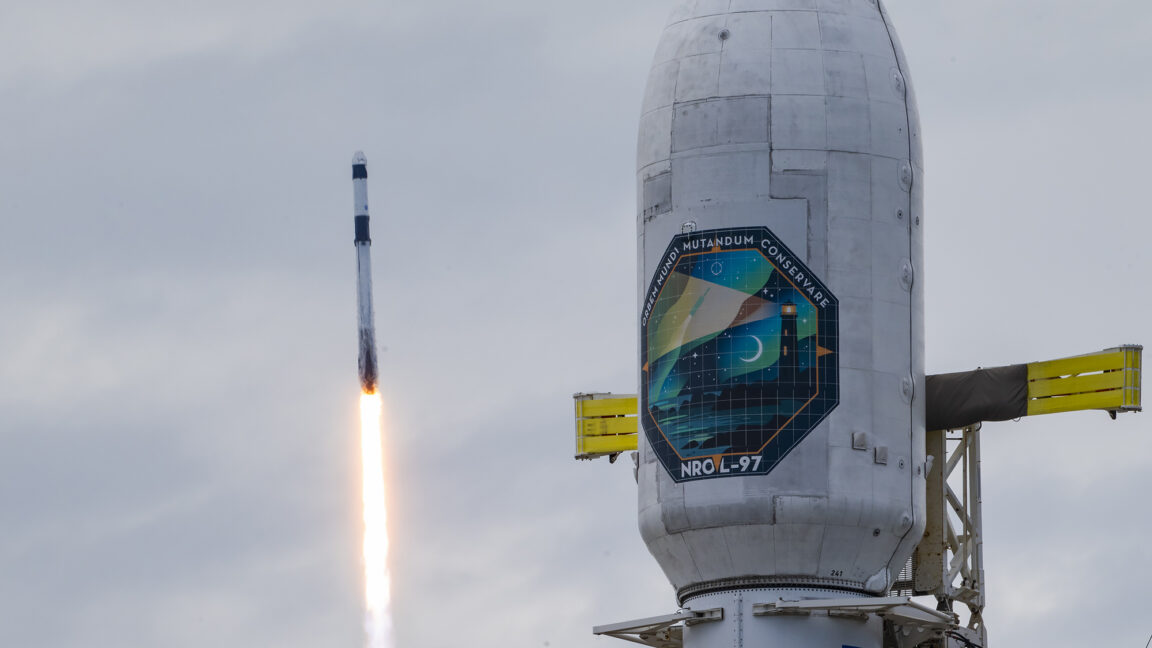
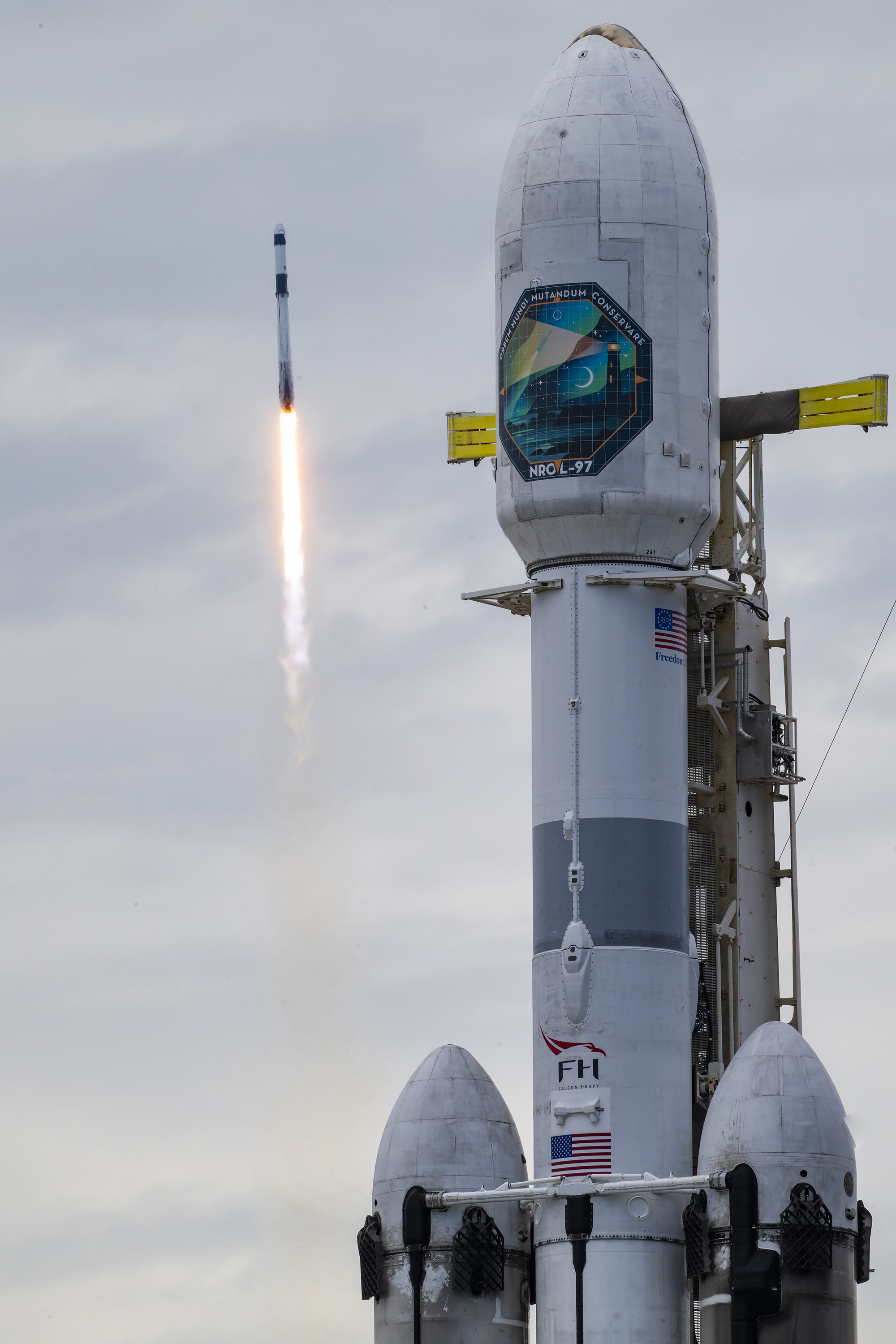
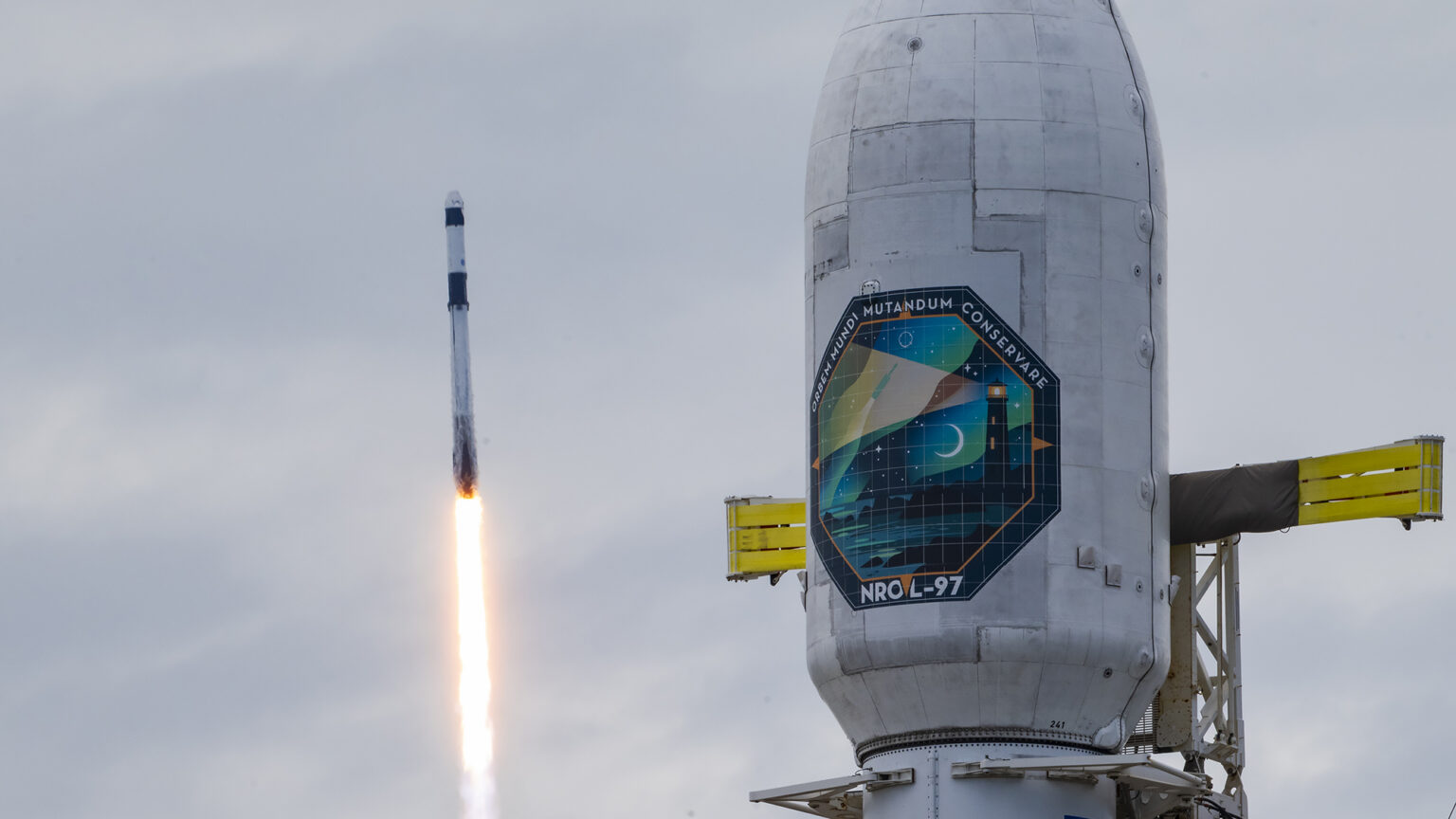
SpaceX launched two Falcon nine rockets and one Falcon Heavy in less than thirteen hours Thursday. The Falcon Heavy carried a classified National Reconnaissance Office payload into a highly inclined orbit, the first NRO mission for the heavy-lift vehicle.
Four landings in one day
SpaceX landed both Falcon nine boosters at their launch sites in Florida and California and both Falcon Heavy side boosters at Cape Canaveral Space Force Station. The day included three launches, four landings, and a Dragon docking at the ISS.
NASA funds Boeing Starliner rebuild
NASA announced it will pay three hundred fifty-nine million dollars to Boeing to help complete a rebuild of Starliner's reaction control system thrusters. NASA will also certify United Launch Alliance's Vulcan rocket for human missions and exercise options for two additional crewed Starliner flights.
Starliner total reaches six missions
NASA's options bring its total Starliner spaceflights to six. Any future Starliner flights beyond that will require a new rocket like ULA's Vulcan, as the Atlas five rocket is no longer in production.
Blue Origin seeks fifty launches yearly
Blue Origin is seeking FAA permission to increase New Glenn launch rates from Cape Canaveral from twelve to fifty per year. The proposal includes fifty landings of the first stage on a drone ship and up to one hundred static-fire tests.
The headline
SpaceX's Starship reached low-Earth orbit for the first time on its fourteenth flight, deploying twenty-six Starlink V three satellites, while Rocket Lab signed a twenty-mission contract with Japanese imaging company Synspective.