From Ars Technica · · 3m
SpaceX warns orbit is getting crowded
With thousands of new satellites launching, SpaceX calls for all operators to share location data to prevent collisions in low-Earth orbit.
In brief
With thousands of new satellites launching, SpaceX calls for all operators to share location data to prevent collisions in low-Earth orbit. SpaceX executive Michael Nicolls warned that satellite operators must share orbital location data to prevent collisions as megaconstellations grow, citing near-misses involving…
Starlink dominates low-Earth orbit
SpaceX's Starlink constellation now has more than eleven thousand satellites, about two-thirds of all active spacecraft in low-Earth orbit. Radars and telescopes track thousands more pieces of space junk.
More megaconstellations are coming
SpaceX plans to launch up to a million satellites for a constellation called Starmind. Amazon is deploying thousands of satellites to compete with Starlink. Two Chinese megaconstellations are in full-scale deployment.
Collision risk grows with numbers
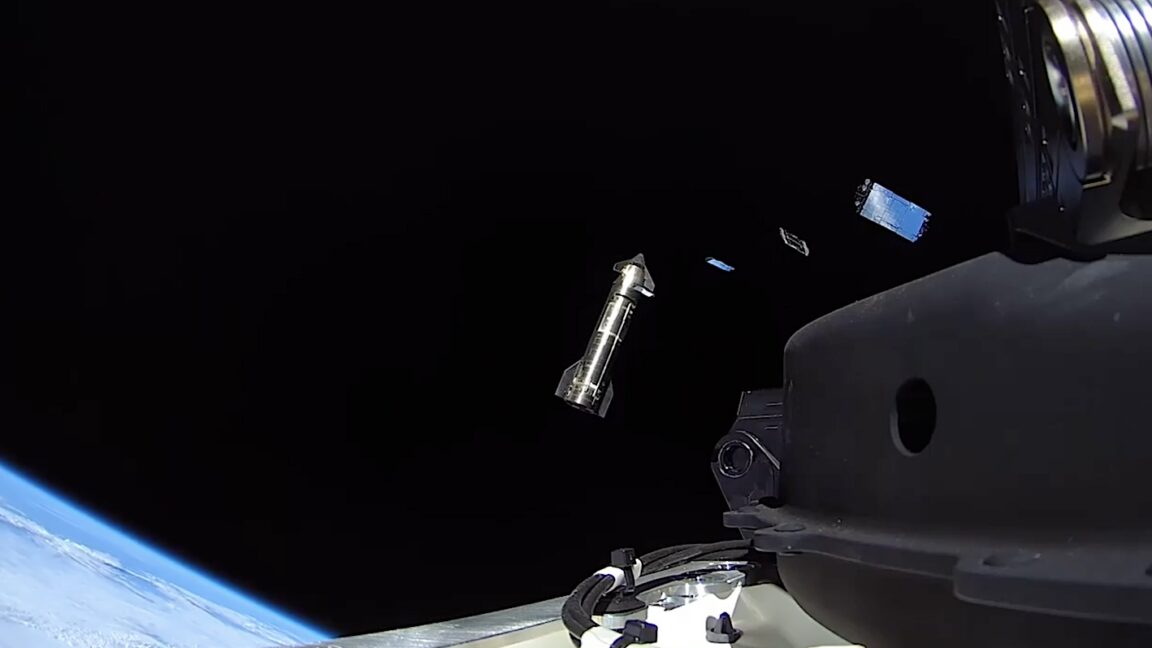
A collision in orbit could create thousands more pieces of space junk, potentially triggering a self-perpetuating cycle of debris generation. Space is vast, but the law of large numbers means collisions will eventually happen.
“That said, the law of large numbers says that if it can happen, it will happen.”
No global rules exist yet
No global treaties or regulations require satellites to broadcast their locations and maneuvers or mandate coordination among satellite operators. Without rules of the road, governments and companies must set norms of behavior.
Michael Nicolls calls for data sharing
SpaceX vice president Michael Nicolls presented Tuesday at the International Astronautical Congress in Turkey, calling for improved data-sharing among satellite operators to mitigate collision risk in orbit.
Satellites maneuver without warning

Nicolls presented examples of satellites from other operators closely approaching Starlink satellites as they zip around Earth at five miles per second. Other satellites conducted maneuvers without informing anyone of their trajectory changes.
Close calls measured in meters
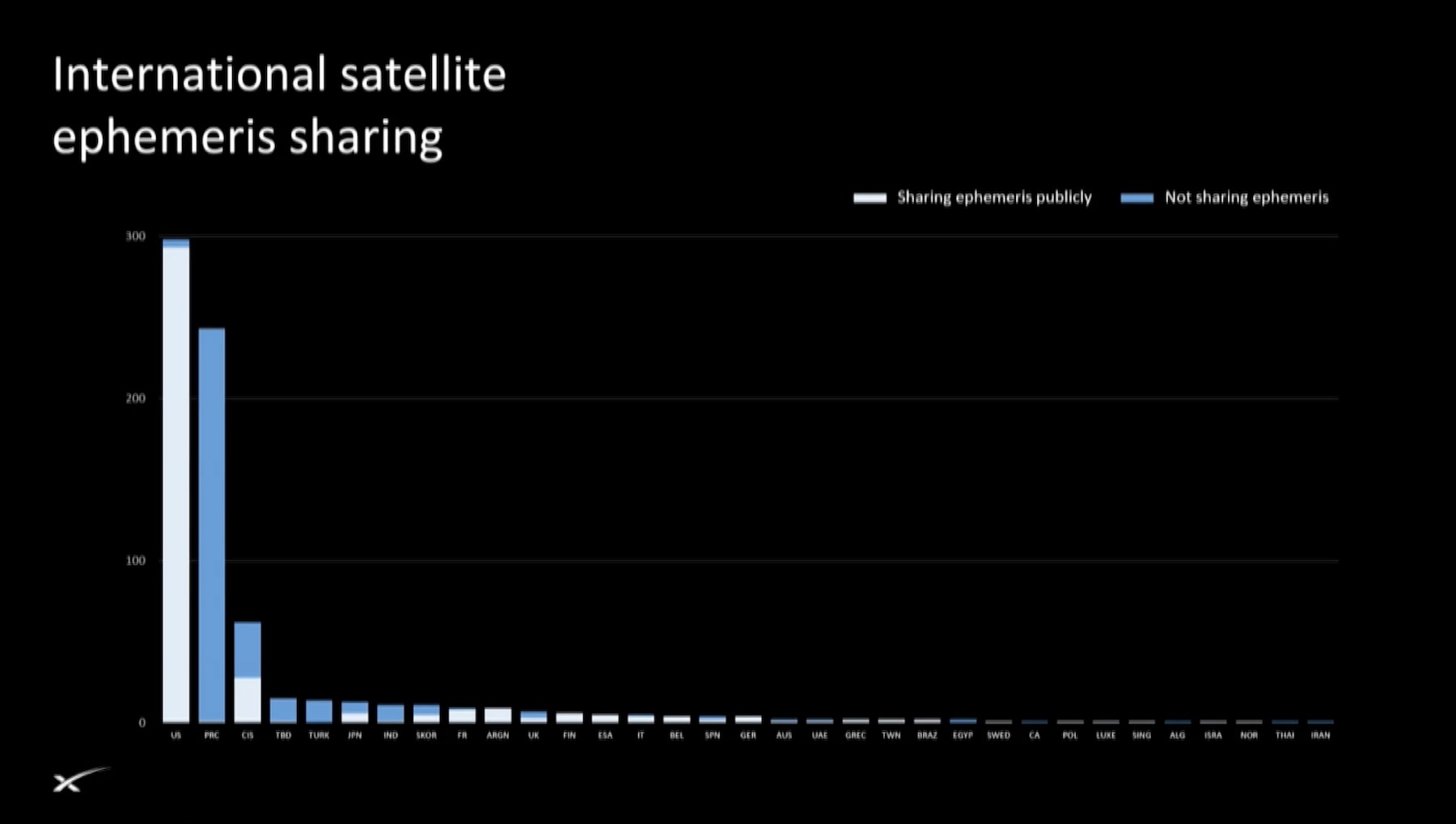
Nicolls said other satellites either were not publishing their ephemeris data or were not considering Starlink's ephemeris when maneuvering, leading to conjunctions of tens of meters to hundreds of meters apart.
“Way too close to comfort.”
Ephemeris data is the key
An ephemeris contains information about a satellite's location and movement. Some operators may not want to share this information, believing secrecy provides competitive or strategic advantage. But spaceflight sustainability requires openness.
SpaceX lowers Starlink altitude
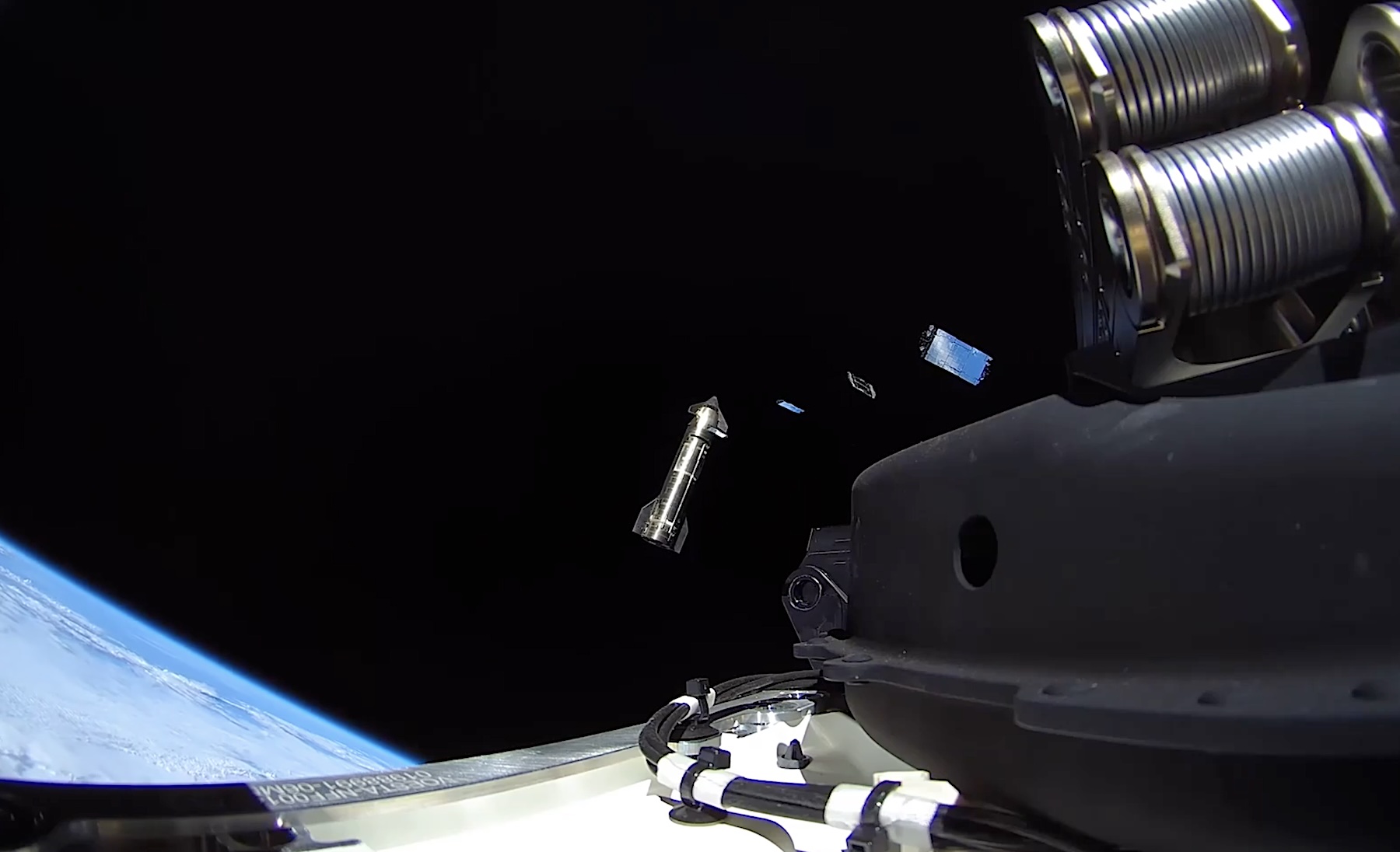
SpaceX lowered the entire active Starlink constellation below five hundred kilometres, moving the network away from heavily trafficked regions, expediting reentry for failed satellites, and improving customer service.
Starlink performs daily maneuvers
Starlink satellites use onboard navigation cameras called Stargaze to detect other objects in orbit, tracking about ninety percent of maneuvering satellites that intersect Starlink orbits.Starlink satellites perform about one thousand collision avoidance maneuvers per day.
Chinese operators resist sharing
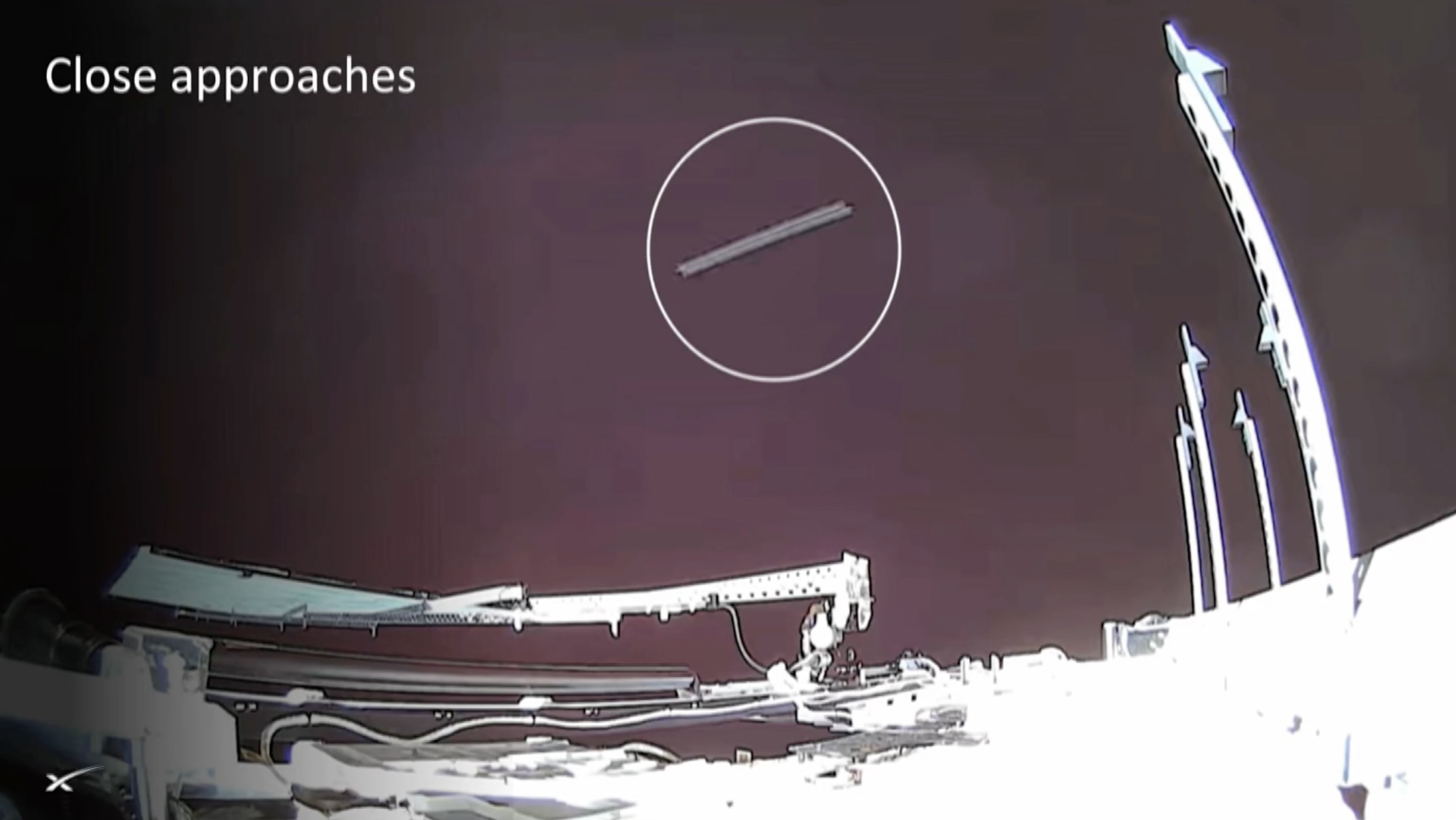
In recent months, Starlink satellites steered clear of about six hundred fifty active satellites from other operators. Only half of those six hundred fifty come from operators that participate in ephemeris sharing with SpaceX.
Amazon backs data sharing
Amazon Leo head Rajeev Badyal said Amazon coordinates with SpaceX and other satellite operators, sharing ephemeris data and orbital information. Amazon has three hundred ninety-six satellites in orbit today with hundreds more awaiting launch.
“Sharing ephemeris or sharing the information necessary for space safety is a non-issue.”
Amazon plans massive expansion
Amazon's first-generation constellation will consist of three thousand two hundred thirty-two satellites.The FCC approved a second-generation network of four thousand five hundred four satellites in February.
Coordination becomes unavoidable
Badyal said SpaceX is the largest constellation and Amazon works with them hand in hand.At some point, all operators including China will have to coordinate or face negative consequences for everybody as constellations reach scale.
“At some point, we will have to coordinate, or it'll end up being a negative thing for everybody, especially if they get to scale.”
What to remember
SpaceX executive Michael Nicolls warned that satellite operators must share orbital location data to prevent collisions as megaconstellations grow, citing near-misses involving Starlink satellites.