From Ars Technica · · 3m
Startup powers up with underwater volcano test
Endurance Energy ran the world's first subsea geothermal power plant near an active volcano almost a mile down, proving the concept works but facing steep challenges ahead.
In brief
Endurance Energy ran the world's first subsea geothermal power plant near an active volcano almost a mile down, proving the concept works but facing steep challenges ahead. Endurance Energy demonstrated the first subsea geothermal power plant near an underwater volcano in September, generating net-positive electricity…
First subsea geothermal test succeeds
Endurance Energy, a Seattle-based startup, deployed the world's first subsea geothermal power plant demonstration near an active underwater volcano at Axial Seamount in the northeast Pacific Ocean in September.
Deep drilling at five thousand feet
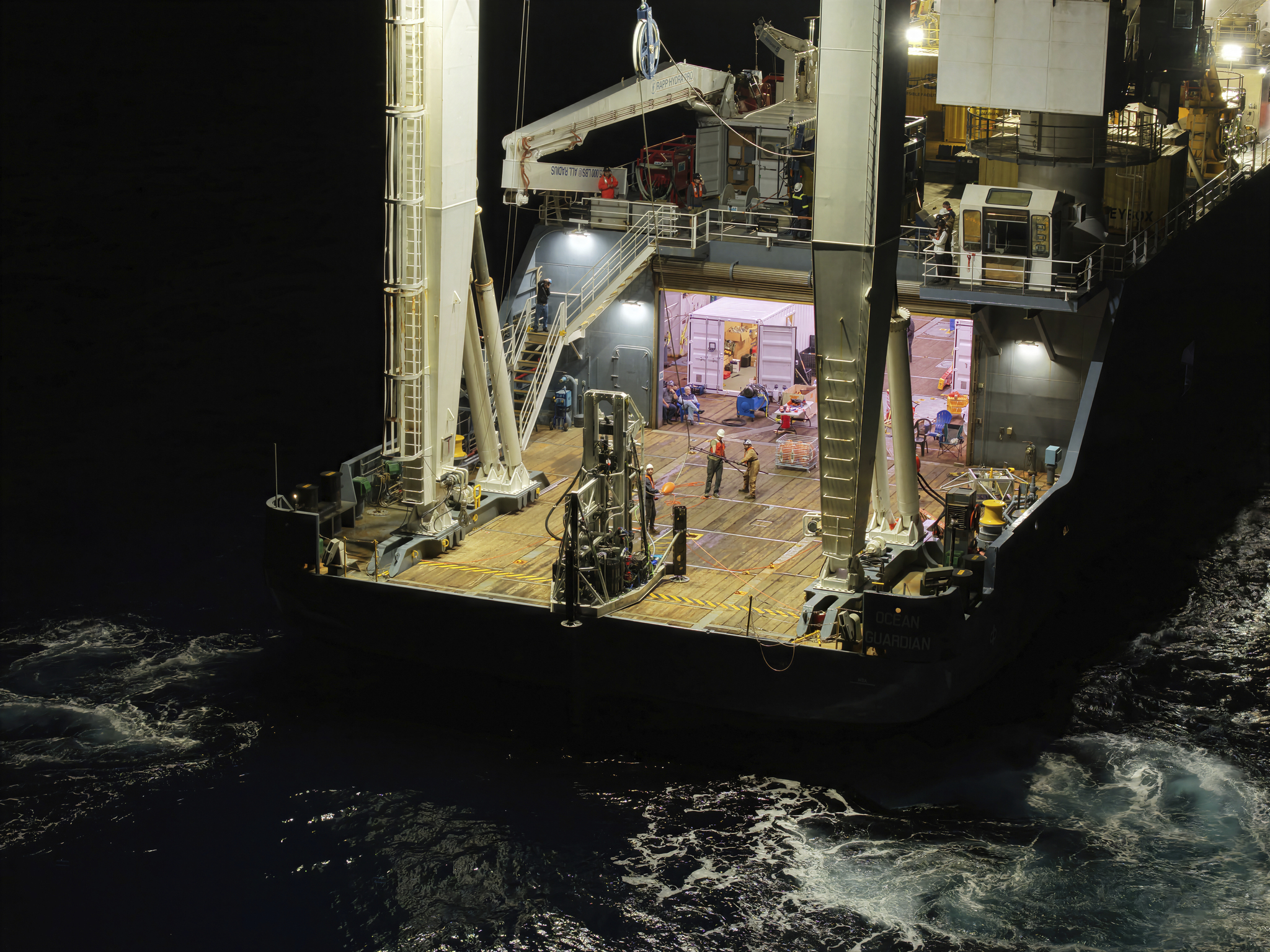
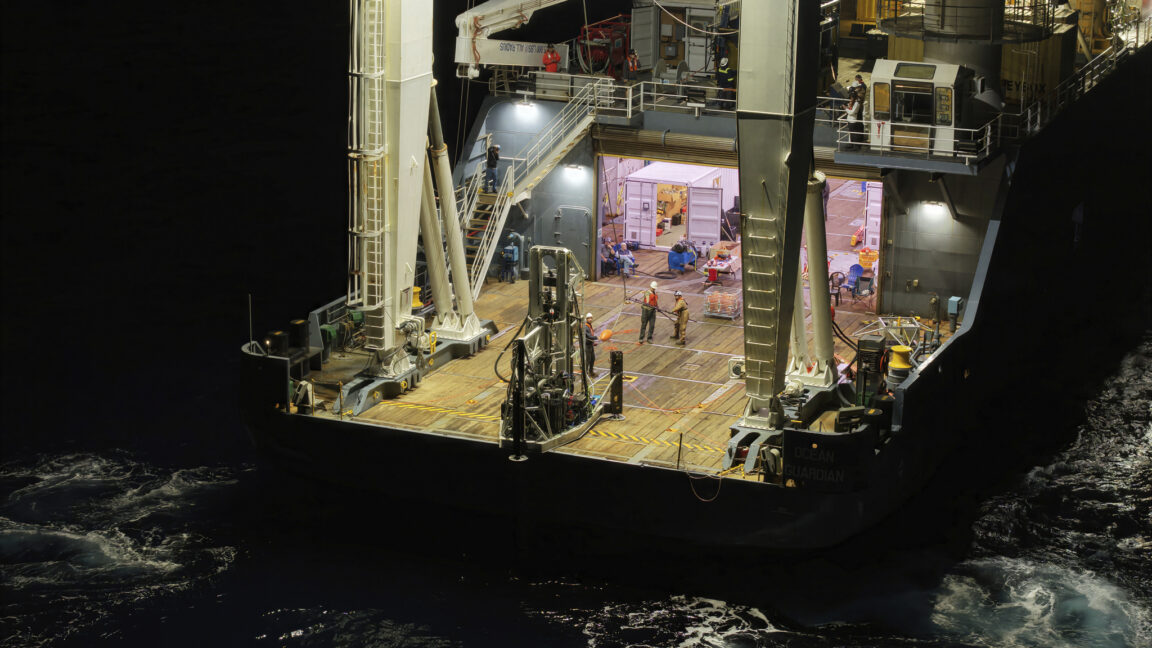
The three-week test required a subsea lander drill deployed from the ship Ocean Guardian to drill two holes in the seafloor at a depth of about five thousand feet, one thousand five hundred twenty-four meters.
Hot hydrothermal fluid discovered
Both drilled holes vented hot hydrothermal fluid measured at about five hundred degrees Fahrenheit, two hundred sixty degrees Celsius. The team cased and cemented the second hole before installing a valve to create a well.
Adélie power plant deployed
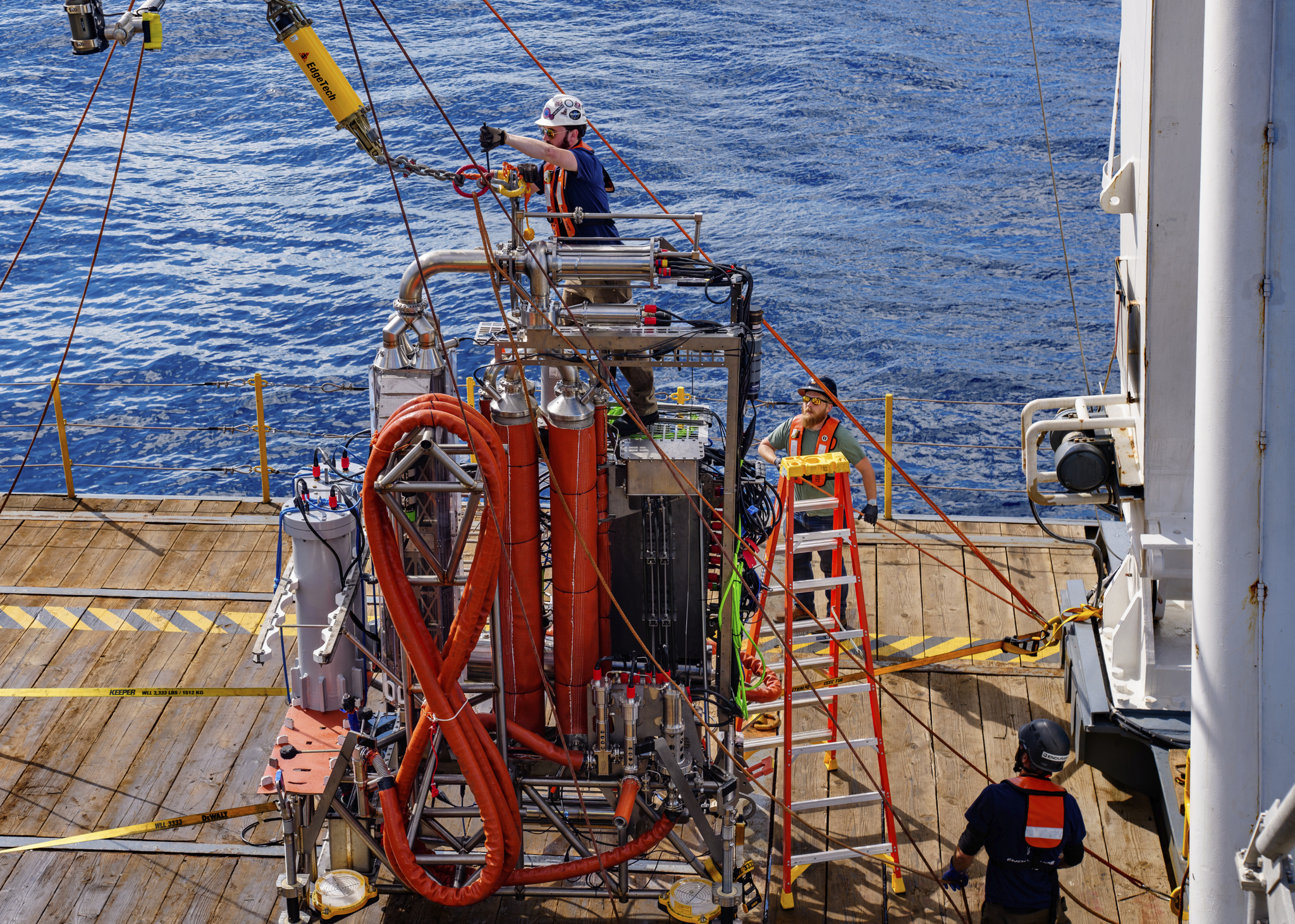
Endurance Energy deployed its one hundred kilowatt power plant, named Adélie, designed to vaporize incoming hydrothermal fluid to spin a turbine and drive an electric generator.
Connected to undersea network
Adélie connected to Endurance Energy's Seattle command center by plugging into the Regional Cabled Array, a five hundred fifty-nine mile, nine hundred kilometre network of undersea fiber-optic and electric cables operated by the University of…
First well too shallow
The drilled well extending fifty-two feet, sixteen metres into the seafloor was not delivering enough hydrothermal fluid to run the power plant.
“For our first well, the goal was to show we could drill, case, cement, and cap a well on the seafloor, so we kept it small and shallow.”
Testing at natural vent
To test the Adélie power plant anyway, the team redeployed it to a nearby natural vent where hydrothermal fluid was already flowing out at about five hundred thirty-eight degrees Fahrenheit, two hundred eighty-one degrees Celsius.
Net-positive power achieved
On September twenty-seventh, the power plant turbine reached about twenty-six thousand rpm and the generator produced sixty watt-hours of electricity.
“It's the proof point. Net-positive is the threshold that matters: the plant made more power than it took to run itself on the seafloor, which no one had done before.”
Software and cable failures halt test
A battery module recorded a brief current spike during spin-up and stopped reporting, prompting Adélie's software to automatically stop as a safety precaution.
Environmental monitoring during test
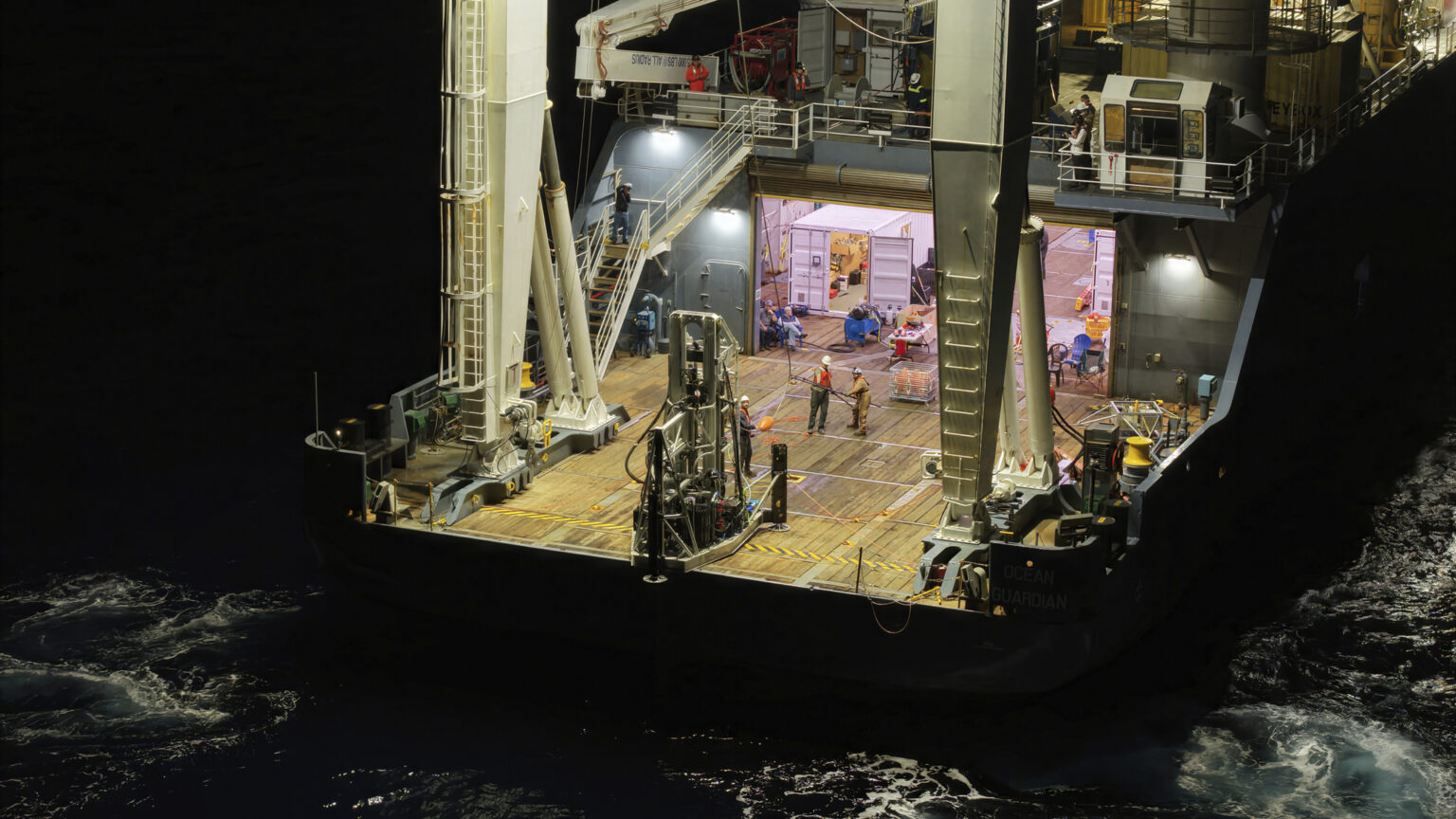
Endurance Energy chose the least disruptive site and continuously monitored the process by sampling water and recording the seafloor array of tubeworms, snails, crabs, and bacterial mats. Independent researchers checked findings against scientific sensors.
Next trial planned for winter
Endurance Energy's next trial run planned for the winter of two thousand twenty-six to two thousand twenty-seven will involve a refurbished and upgraded Adélie, renamed Gentoo, that will aim to sustain higher power generation.
Commercial deployment planned for Tonga
Endurance Energy is developing a larger two megawatt commercial generator for its first planned commercial deployment with the Kingdom of Tonga in two thousand twenty-seven.
“The two MW commercial generators will be about the size of a shipping container, and we are deploying up to six of these generators offshore Tonga.”
Cost competitiveness remains uncertain
Roland Horne, professor of energy science and engineering at Stanford University, said subsea geothermal would undoubtedly be more expensive than land-based projects. Any factors making it more expensive would push it to the noncompetitive side.
“It's probably technically feasible, but it would undoubtedly be more expensive than to do it on land.”
The short version
Endurance Energy demonstrated the first subsea geothermal power plant near an underwater volcano in September, generating net-positive electricity for eight point seven seconds and proving technical feasibility for renewable energy in deep ocean.