From Ars Technica · · 1m 50s
Tesla's robot dream hits worker resistance
Tesla is struggling to mass-produce Optimus humanoid robots while employees refuse to train their own replacements.
In brief
Tesla is struggling to mass-produce Optimus humanoid robots while employees refuse to train their own replacements. Tesla's bet on humanoid robots faces both technical hurdles with complex hands and hands and a workforce unwilling to help build machines designed to eliminate their jobs. Originally reported by Ars…
Tesla bets big on robot future
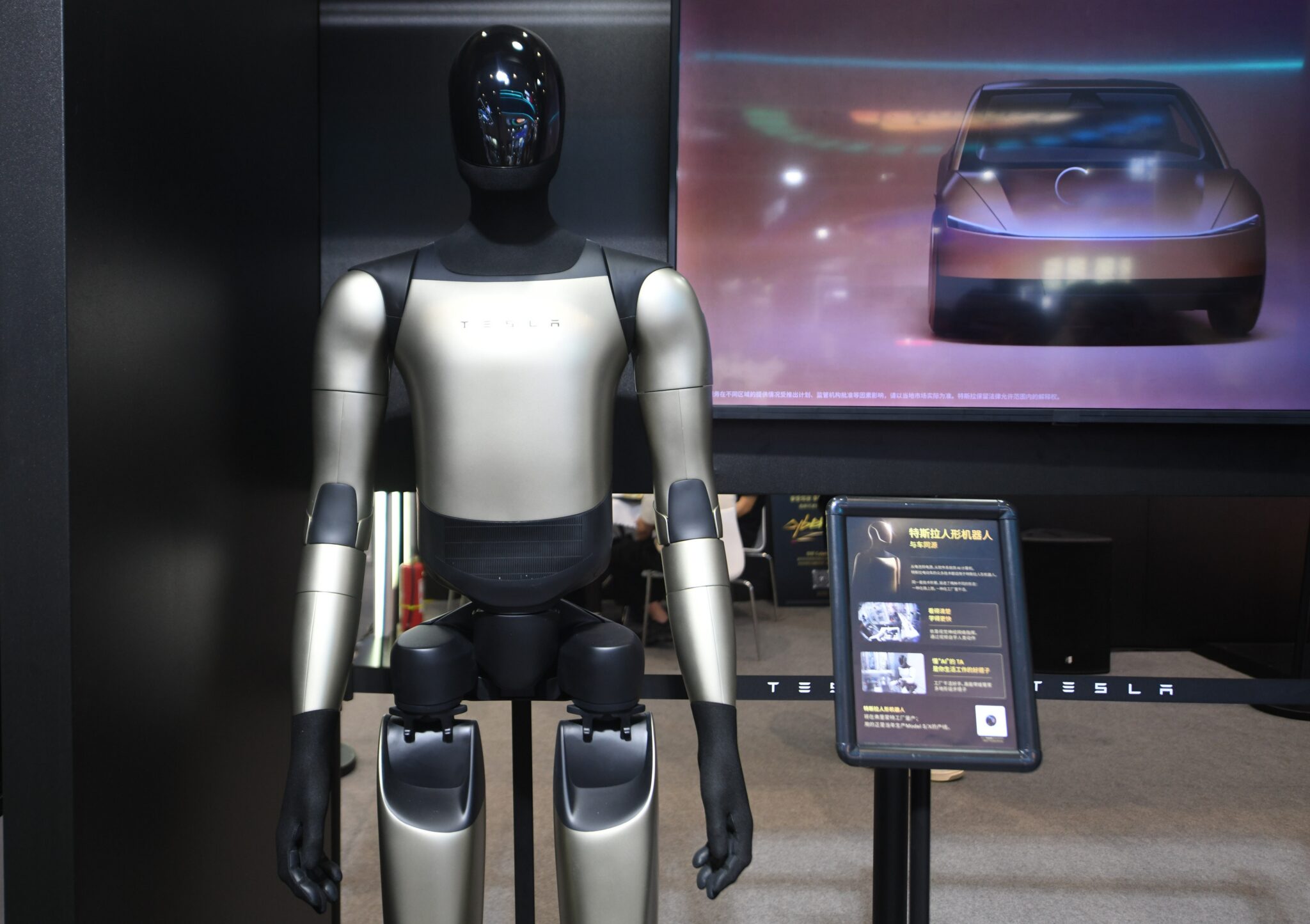
Elon Musk has called Optimus humanoid robots potentially the biggest product ever, but acknowledged that building autonomous robots capable of many tasks is one of the hardest problems to solve.
“the biggest product ever”
Fremont factory shifts to robots
Tesla stopped making the Model S sedan and Model X SUV at its Fremont, California factory in May 2026, moving workers and engineers to Optimus development instead.
Complex hands slow production
Optimus V3 robot hands contain over 100 small components that workers must manually assemble, and touch sensors have proven unreliable enough that Tesla developed replaceable sensor gloves instead.
Production targets outpace reality
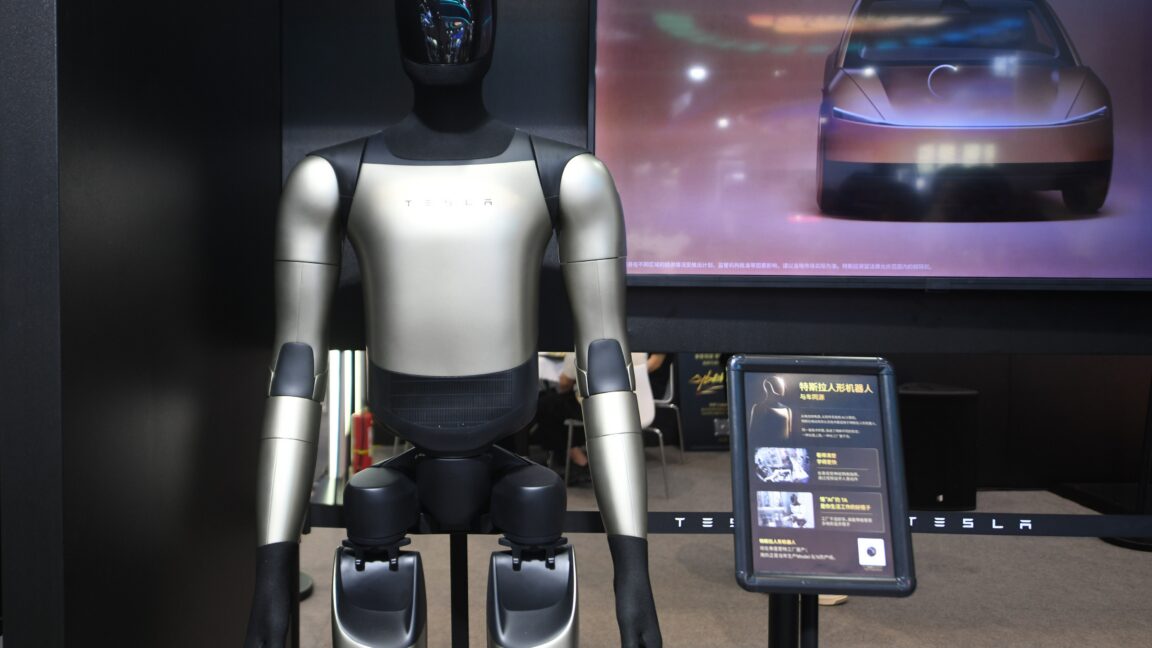
Tesla has scaled up to hundreds of robots per week but aims for over 1,000 per week by end of 2026, while struggling with precision equipment alignment and production line speed limitations.
Workers refuse to train replacements
Tesla factory workers in Texas and California complained about wearing motion-capture suits to provide training data because they knew the robots were designed to replace them.
“knew the robots were designed to eventually replace them”
AI still needs controlled environments
Optimus robots currently require programming for specific tasks in carefully controlled settings, with insufficient AI capabilities for true general-purpose operations across varied real-world scenarios.
Global competition intensifies
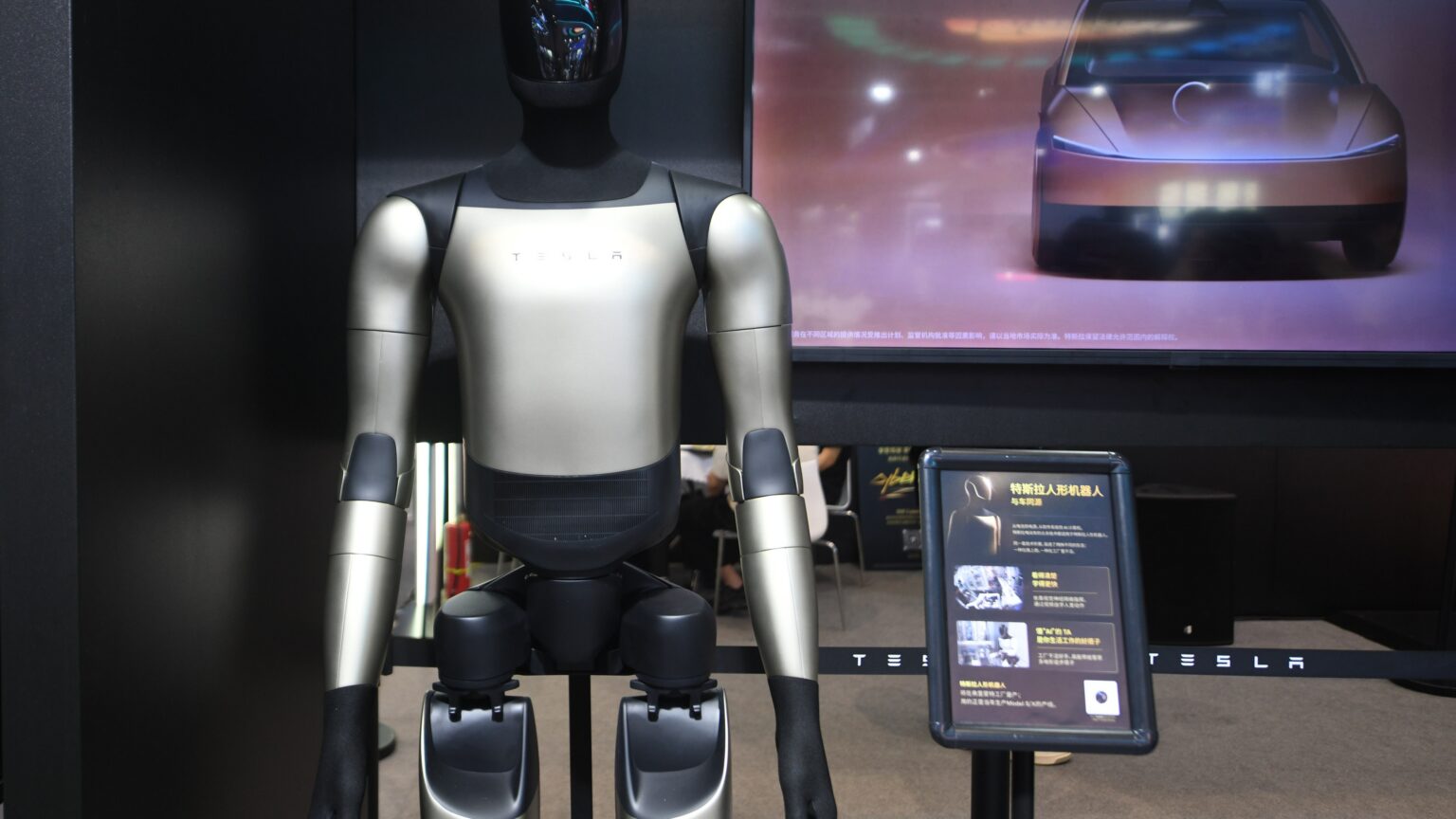
Toyota plans to invest billions in factory robots including humanoids, Hyundai plans to deploy 25,000 Boston Dynamics Atlas robots, and Chinese and South Korean automakers are also developing humanoids.
Supply chain still depends on China
Despite US efforts to boost domestic robotics production, Tesla continues relying on Chinese suppliers for robot components, even as the FCC banned new foreign-made humanoid robots in July.
In short
Tesla's bet on humanoid robots faces both technical hurdles with complex hands and hands and a workforce unwilling to help build machines designed to eliminate their jobs.