From Ars Technica · · 3m
Trump's plan to gut the Endangered Species Act
A secret memo rewrites how the government protects wildlife, drawing from a 1995 Supreme Court dissent that would allow preventable animal deaths.
In brief
A secret memo rewrites how the government protects wildlife, drawing from a 1995 Supreme Court dissent that would allow preventable animal deaths. The Trump administration is reinterpreting the Endangered Species Act to only prohibit intentional killing of animals, not accidental deaths from habitat destruction, which…
Secret memo rewrites wildlife rules
The Fish and Wildlife Service quietly told staff to reinterpret the Endangered Species Act so it only prohibits intentional killing of animals, not accidental deaths from habitat destruction.
New rule ignores preventable deaths
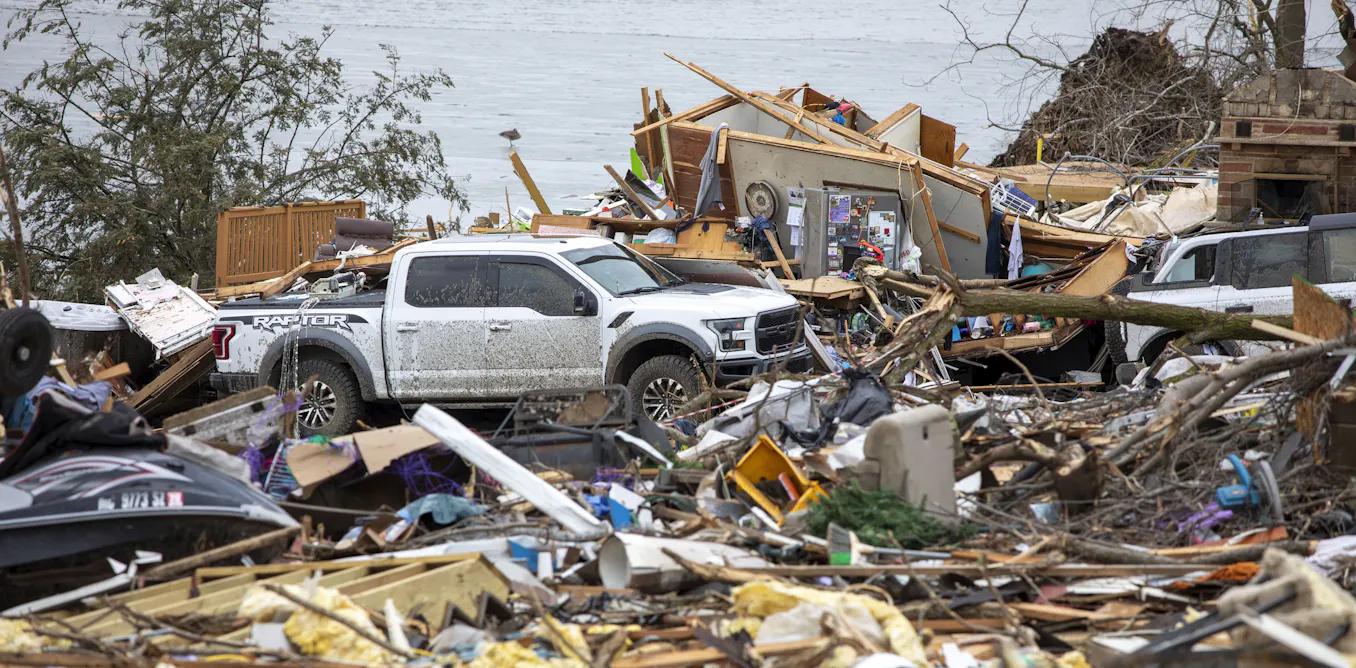
A vessel that strikes a whale or a tree felled with bats inside no longer counts as harming the animals unless the action was specifically intended to kill them.
“A vessel that inadvertently strikes a whale has not taken it because the vessel's course was not set against the whale.”
This follows earlier habitat rule change
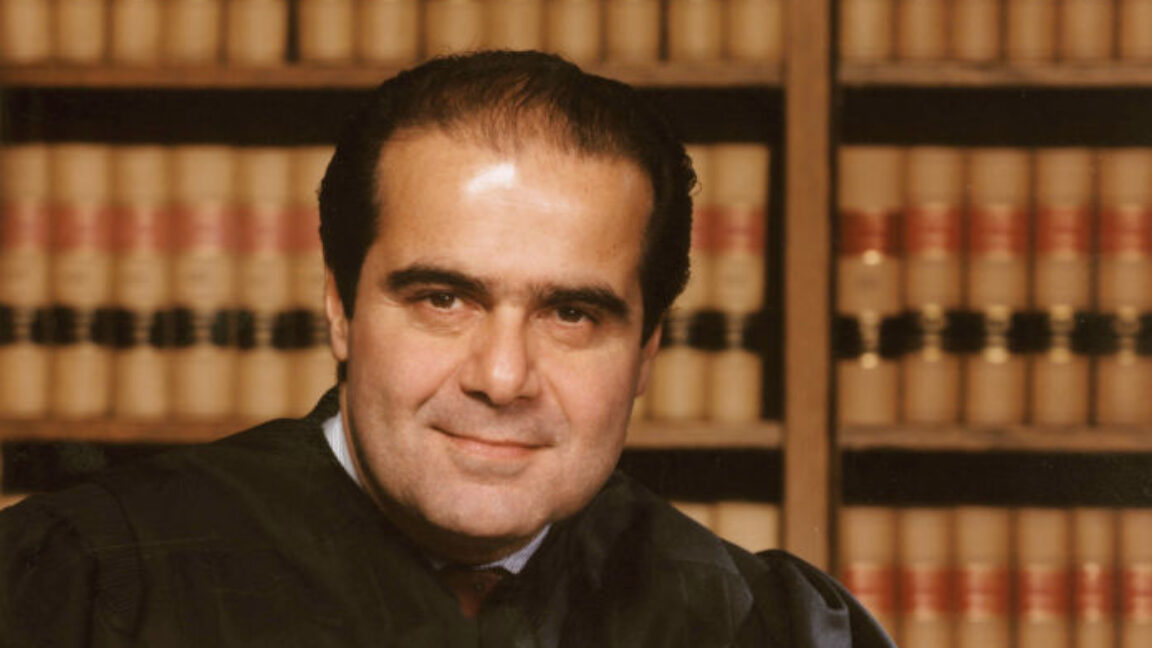
Earlier this year, the administration removed habitat destruction from the definition of harm, claiming it would prevent costs to landowners. The new memo goes much further.
Advocates call it sneaky and disingenuous
Environmental lawyers say they were falsely reassured by the first rule change and now feel the administration is using it to justify ignoring preventable animal deaths.
“This is an incredibly sneaky and disingenuous way of going about things.”
Accidental deaths are the real threat
Most endangered animals die from incidental takings, not intentional hunting. Removing protections for these deaths could threaten entire populations.
Trump leans on Scalia's old dissent
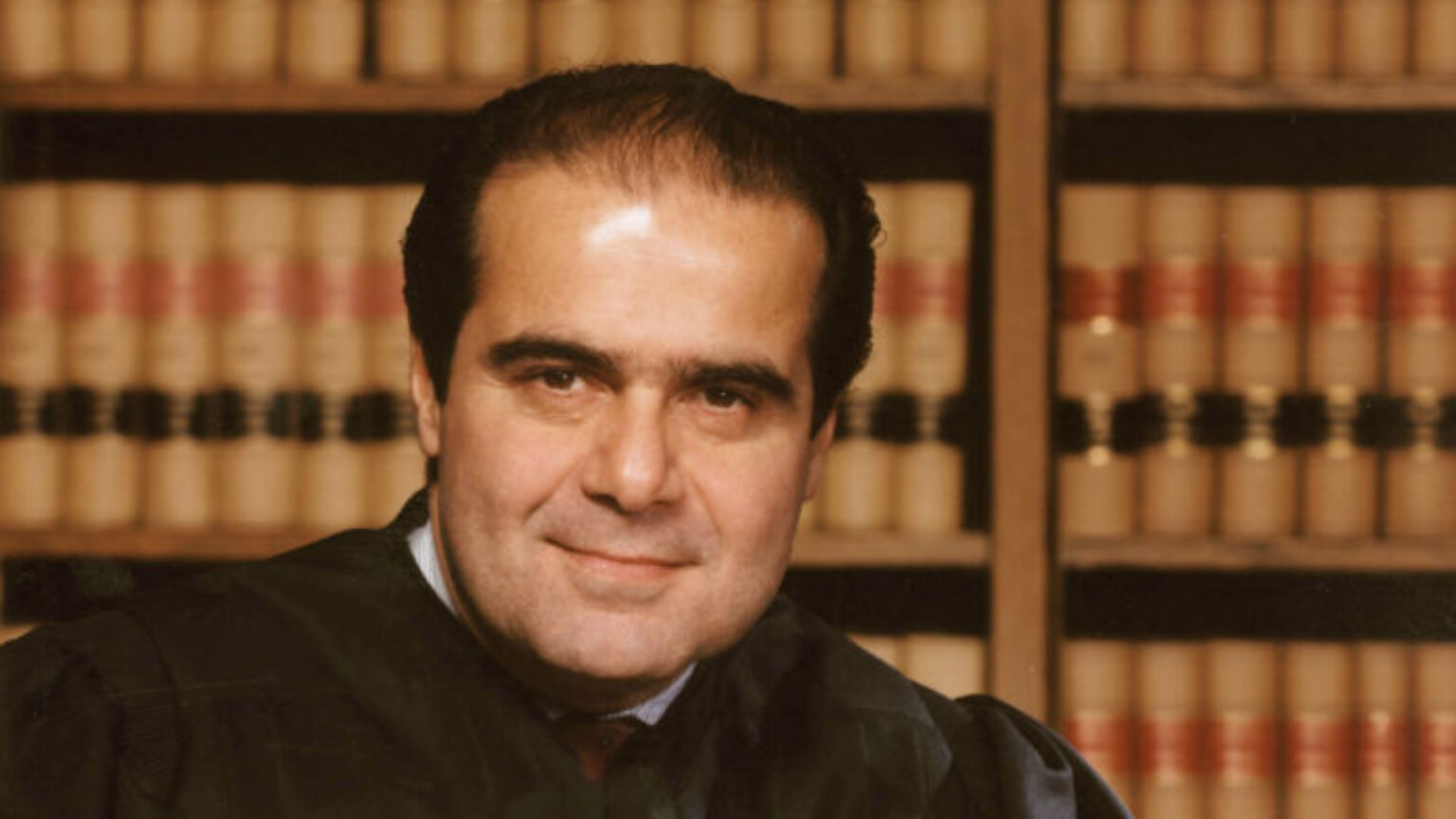
The administration is using a 1995 Supreme Court dissent by Justice Antonin Scalia as a blueprint for rewriting the law, arguing the Chevron doctrine that supported the original ruling is now dead.
The 1995 case: habitat vs. takings
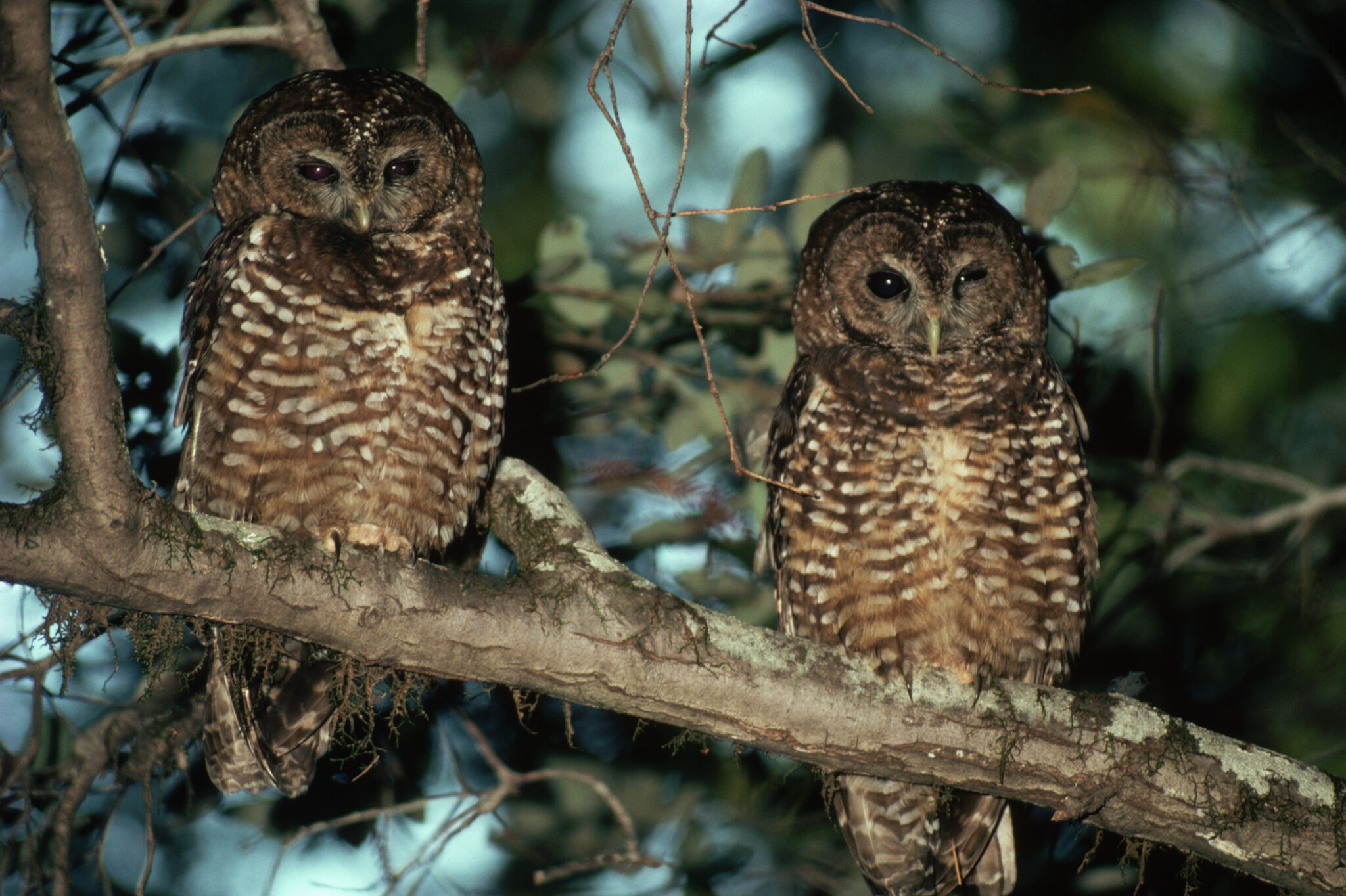
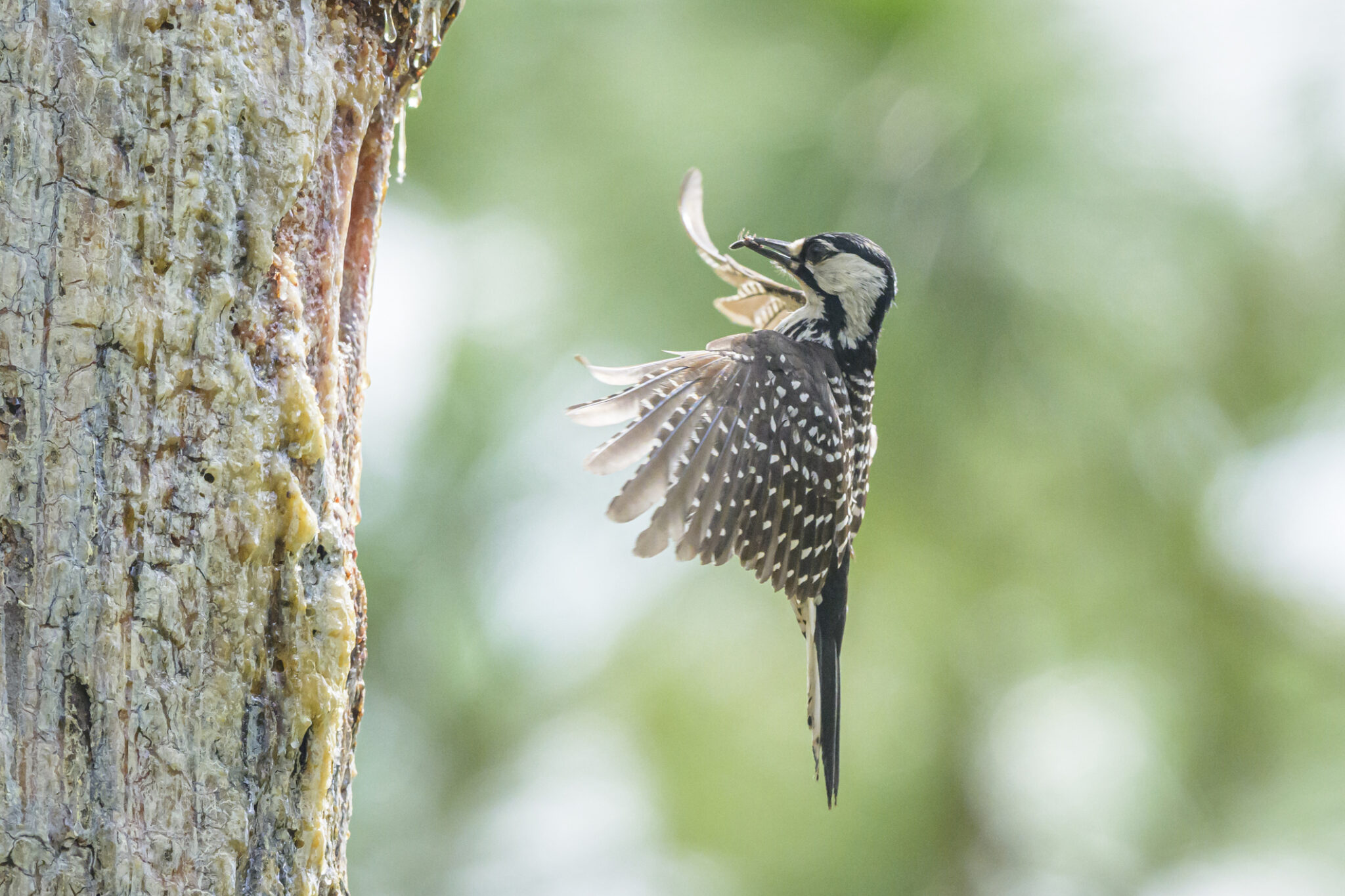
Landowners and logging companies sued to block the Interior Secretary from reading the law as prohibiting habitat modification that kills wildlife, citing the red-cockaded woodpecker and northern spotted owl.
Scalia sided with the landowners
Scalia argued the law was written narrowly to prohibit only intentional hunting, not broad habitat protection. He mocked the idea that breeding grounds deserved protection.
Scalia attacked population-level thinking
He called the majority's approach simplistic and unfair to farmers, arguing the law should only protect individual animals from intentional harm, not species populations.
“Unfairness to the point of financial ruin, not just upon the rich, but upon the simplest farmer who finds his land conscripted to national zoological use.”
Scalia mocked breeding ground protection
He ridiculed Justice Sandra Day O'Connor's argument that destroying breeding grounds injures animals, sarcastically asking if slugs could suffer psychic harm from not frolicking.
“Assuming, of course, that the animal in question, perhaps an endangered species of slug, is capable of such painful sentiments.”
O'Connor defended breeding habitat logic
She argued that destroying the last breeding ground for piping plovers would obviously injure the population and individual birds, comparing it to sterilization.
“To raze the last remaining ground on which the piping plover currently breeds, thereby making it impossible for any piping plovers to reproduce, would obviously injure the population.”
The majority rejected Scalia's view
The 1995 court found Congress clearly intended to include habitat modification in the definition of harm and required permits for incidental takings.
Congress used broadest possible terms
Justice John Paul Stevens noted lawmakers specifically said they used the broadest possible terms to define takings, including harassment whether intentional or not.
“The broadest possible terms were used to define restrictions on takings, specifically to ensure that they included harassment, whether intentional or not.”
Legal experts expect court battles
The Trump administration faces lawsuits from 21 state attorneys general. Harvard law professor Andrew Mergen called the memo an unprecedented assault on the act.
“This is really an assault on the act like we've never seen before.”
Experts doubt Scalia's view will prevail
Legal scholars say the 1995 court settled the law in favor of broad habitat protection, not Scalia's narrow reading, and expect the Fish and Wildlife Service will struggle to defend the new policy.
“To say that the law is settled in favor of Scalia's dissent? Absolutely not.”
The short version
The Trump administration is reinterpreting the Endangered Species Act to only prohibit intentional killing of animals, not accidental deaths from habitat destruction, which is how most endangered animals actually die.