From Ars Technica · · 5m
US arrests CEO over $300M Nvidia chip smuggle to China
Greg Lui allegedly used false paperwork to divert export-controlled servers through Southeast Asia to Chinese firms, exposing gaps in Nvidia's compliance oversight.
In brief
Greg Lui allegedly used false paperwork to divert export-controlled servers through Southeast Asia to Chinese firms, exposing gaps in Nvidia's compliance oversight. The US arrested Greg Lui, CEO of Earthmade Computer, for allegedly smuggling over three hundred million dollars in export-controlled Nvidia chips to China…
CEO arrested for chip smuggling
The US Department of Justice arrested thirty-eight-year-old Greg Lui, CEO of Earthmade Computer, on Thursday. He is accused of using false paperwork to mask shipments of servers worth more than three hundred million dollars destined for China.
Nvidia chips routed through Asia
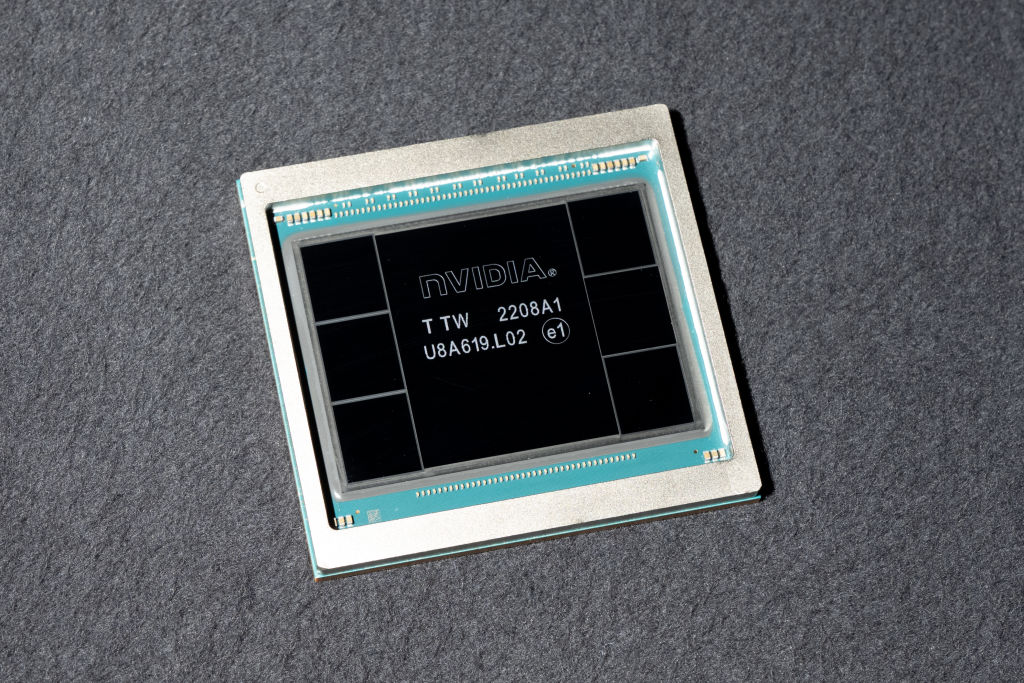
Lui allegedly conspired with freight-forwarding firms in Malaysia and Singapore to illegally divert shipments of Nvidia A100 and H100 GPUs into China. These chips can process large amounts of data and train large language models.
National security concern
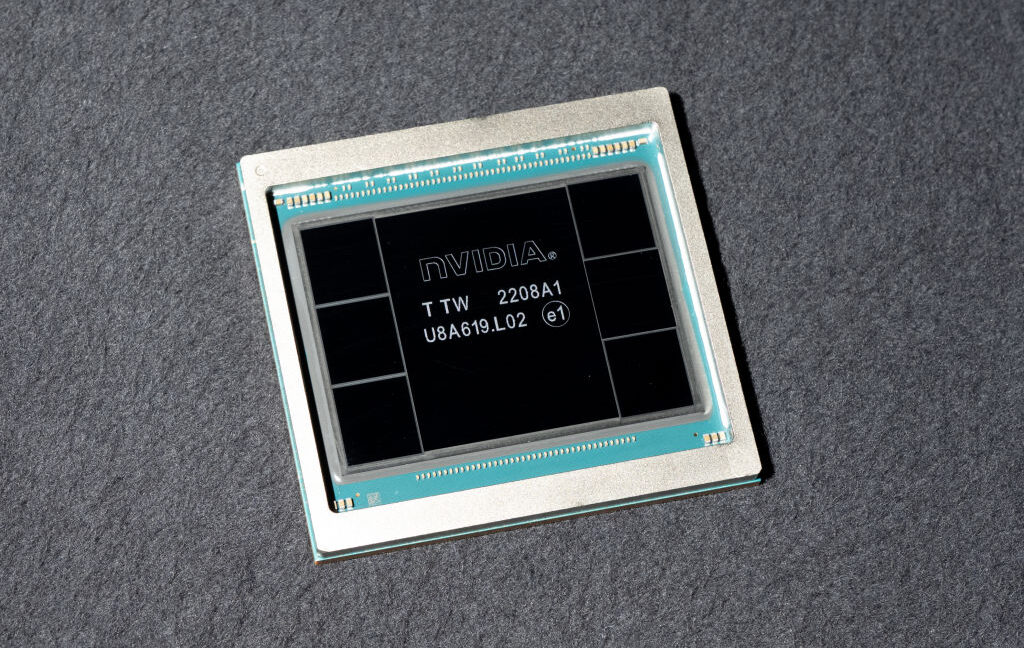
The US fears that if China suddenly gains access to enough of these chips, it could drastically advance Chinese AI capabilities or strengthen its military. The chips are not Nvidia's most advanced, but they are export-controlled.
Scheme ran for nearly three years
Emails and bank records exposed the smuggling scheme, which started in October two thousand twenty-three and continued until August two thousand twenty-six. The evidence came from Lui's accounts with Bank of America and JP Morgan.
Fraudulent Malaysia shipment
A two thousand twenty-four email discussed an order for seventy servers with export-restricted GPUs fraudulently claimed as destined for Malaysia. Lui submitted a purchase order to a US manufacturer for twenty-seven of these servers for approximately seven million six hundred fourteen thousand dollars.
Servers diverted to Hangzhou
A co-conspirator told a Malaysian government official that all twenty-seven servers were shipped to China. Another shipment of ninety-two export-controlled servers was routed through Singapore to Malaysia, then Hong Kong, before reaching a Chinese firm based in Hangzhou.
Fake identity used for shipment
When shipping one hundred Malaysian-bound servers each containing Nvidia H100 GPUs worth over twenty-two million dollars, Lui allegedly submitted fraudulent documentation from a fake buyer identifying its CEO as Jackie Lui. Three years prior, Lui had purchased identifying documents of an individual to conduct business transactions.
Scheme generated $176 million
In two thousand twenty-four, Lui's firm allegedly received more than one hundred seventy-six million dollars from the scheme. Payment records from his accounts provided further evidence of how he allegedly operated the smuggling business.
Lui faces decades in prison
Arrested on three counts, Lui is accused of conspiring to violate the Export Control Reform Act and Export Administration Regulations, plus federal smuggling and money laundering laws. He faces up to twenty years in prison for conspiracy or money laundering, and up to ten years for smuggling.
Nvidia downplays diversion scale
Nvidia told Bloomberg that less than one half of one percent of its products have allegedly been diverted to China. A spokesperson said this is a drop in the bucket compared to the ocean of domestic compute China already has.
“less than one half of one percent to Nvidia products have allegedly been diverted to China.”
Experts say black market is larger
Experts suggest the black market in smuggled chips is hard to measure and likely much bigger than reported. Officials suspect hundreds of thousands of AI chips are being exchanged in a sprawling shadow trade powering small data centers and potentially hyperscalers in China.
Nvidia missed obvious red flags
A Bloomberg investigation found that Nvidia and Supermicro visited a Taiwanese facility that quickly passed high-end chips to a Chinese firm. Taiwan's Coast Guard seized the servers after noticing discrepancies in shipping manifests, but Nvidia could have stopped the shipments since the facility was clearly insufficient to house all ordered servers.
Nvidia defends business approach
Nvidia told Bloomberg that a startup's growth plan in a friendly nation is an opportunity for America, not a red flag to be feared. The company said Nvidia-powered servers are financeable assets that help startups secure capital and infrastructure, including data center space.
“a startup's growth plan in a friendly nation is an opportunity for America, not a 'red flag' to be feared.”
Trump administration takes hands-off approach
The Trump administration has been happy to let Nvidia police itself while moving slowly to block suspicious shipments. Stricter rules are unlikely to follow, despite some calls in Congress to pass laws cutting off China from more chips. Industry opposition already watered down one anti-smuggling bill.
Trump prioritizes AI dominance over guardrails
Trump's growing influence over the president has spurred him to relax more export controls. Trump is so determined to win the AI race that he won't put meaningful guardrails on the industry, despite polls showing most voters want stricter AI regulations ahead of mid-term elections.
The takeaway
The US arrested Greg Lui, CEO of Earthmade Computer, for allegedly smuggling over three hundred million dollars in export-controlled Nvidia chips to China through Southeast Asian intermediaries between October two thousand twenty-three and August two thousand twenty-six.