From Ars Technica · · 3m
VisionQuest closes the WandaVision trilogy
Marvel's third series in the set brings emotional resolution to Wanda's story, though plot complexity threatens to overwhelm its strengths.
In brief
Marvel's third series in the set brings emotional resolution to Wanda's story, though plot complexity threatens to overwhelm its strengths. VisionQuest concludes the WandaVision trilogy with strong performances and thematic continuity, though convoluted plotting and excessive Easter eggs weaken the finale. Originally…
VisionQuest completes the trilogy
VisionQuest is the third series in the set. Despite a few nitpicks with the convoluted plot, it brings the entire WandaVision trilogy to an emotionally satisfying conclusion.
Vision in Edinburgh
VisionQuest picks up a few years later. Vision, in his human guise, works in a pub in Edinburgh, retreating each night to his personal Mindspace to grapple with his predecessor's memories.
The Mindspace inhabitants
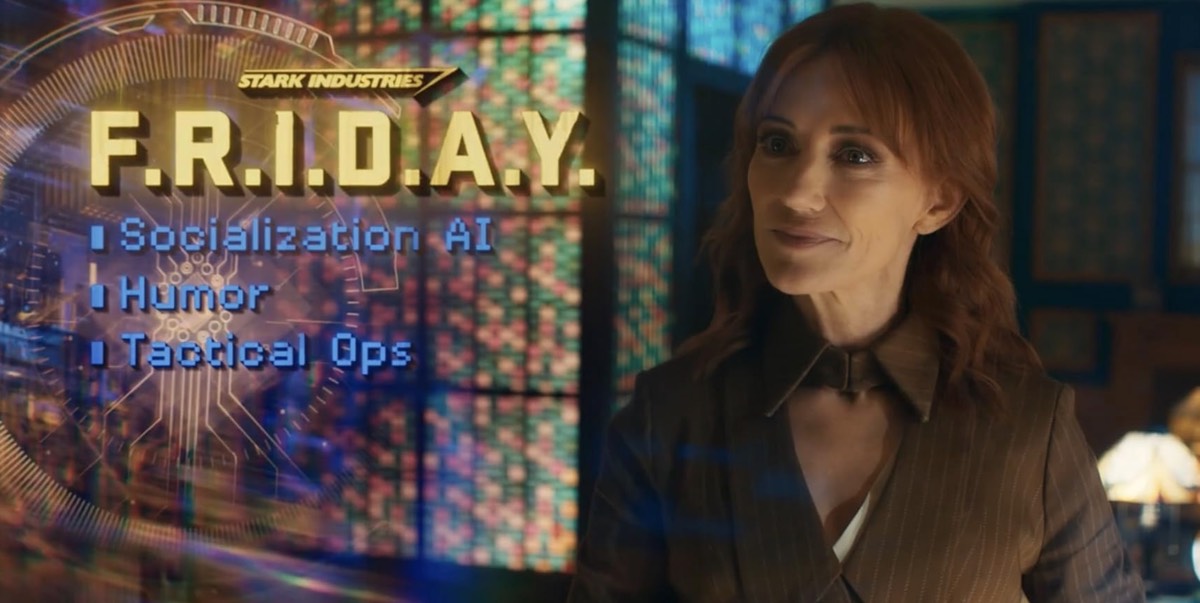
The Mindspace is populated by several other AIs: past programs of Tony Stark that Vision has preserved, all taking on human avatars. They include E.D.I.T.H., J.A.R.V.I.S., F.R.I.D.A.Y., U., and D.U.M.-E.
Ultron's confinement and escape
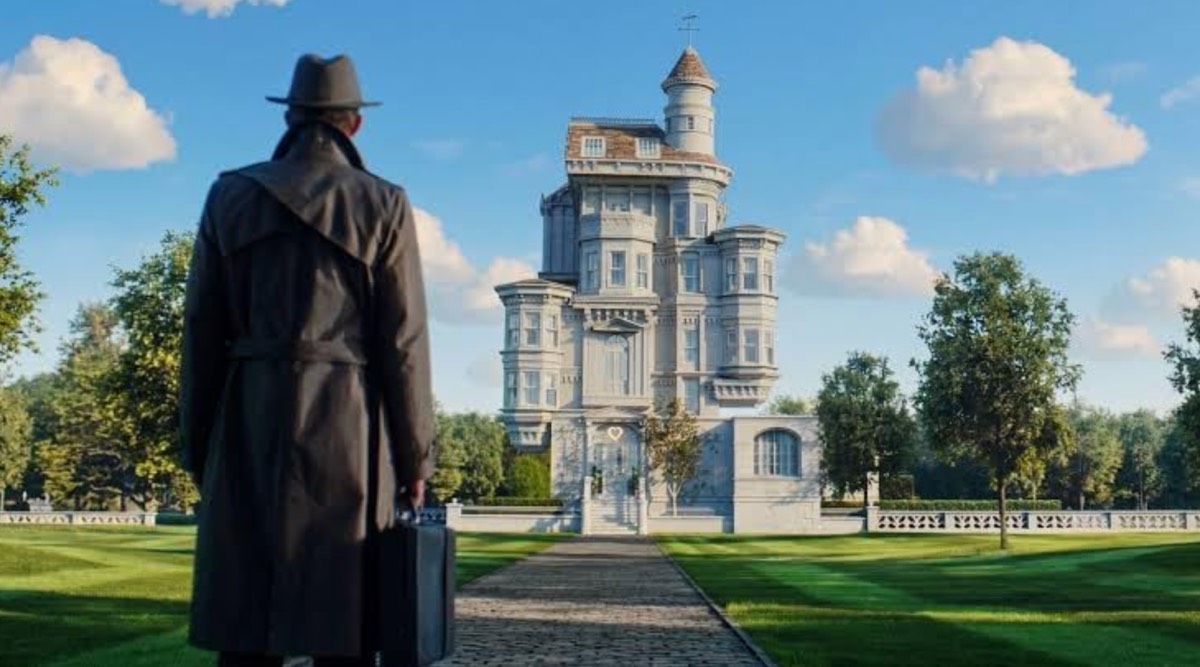
Vision has preserved Ultron's code, the AI android who tried to wipe out humanity in Avengers: Age of Ultron. Ultron is confined to an attic in the Mindspace with limited internet access.
Ultron alerts the bounty hunter
When Ultron learns there is a bounty on Vision, he alerts the bounty hunter Paladin to Vision's whereabouts. When brute force fails, Paladin kidnaps Tommy Maximoff to lure Vision into a trap.
James Spader as Ultron
Showrunner Terry Matalas cast James Spader as Ultron, a stroke of genius. Spader brings his trademark languidly caustic charm and warmth to the murderously misanthropic AI, making him far more interesting.
Ultron and Vision's relationship
Ultron has evolved in the Mindspace into something more human.His love and hate relationship with Vision, his son in some respects, is a primary driver of the series.Spader and Bettany play off each other beautifully.
Paul Bettany's career-making performance
Paul Bettany gives a career-making performance as Vision and various incarnations including early twentieth century scientist James Horton, who created the world's first synthezoid. Bettany shifts seamlessly between roles.
Vision and Tommy's relationship
Vision must navigate an awkward budding relationship with Tommy, both struggling with identity crises and their own private grief and loss. This preserves thematic continuity with the two shows that preceded VisionQuest.
Plotting complexity and Easter eggs
VisionQuest's primary quibble is needlessly complicated plotting overstuffed with MCU Easter eggs. A cameo by the Ten Rings Syndicate muddies the overall focus and limits the audience, requiring familiarity with MCU lore.
Mid-credits scenes dilute the finale
VisionQuest has two mid-credits scenes. The second sets up a resurrected Wanda's likely return in the forthcoming Avengers: Doomsday. The gimmick mostly serves to dilute an otherwise exceptionally well-executed, powerful finale.
The headline
VisionQuest concludes the WandaVision trilogy with strong performances and thematic continuity, though convoluted plotting and excessive Easter eggs weaken the finale.
Read the TL;DR — this story on one card.