From Ars Technica · · 4m
What makes a Mini LED TV actually mini?
TCL sues Samsung for calling budget TVs Mini LED when they lack the technology that defines the category.
In brief
TCL sues Samsung for calling budget TVs Mini LED when they lack the technology that defines the category. TCL accuses Samsung of falsely marketing budget M-series TVs as Mini LED without the full array local dimming technology that industry experts say defines the category. Originally reported by Ars Technica.
TCL sues Samsung over Mini LED claims
In late August, TCL filed a lawsuit in US District Court for the Central District of California accusing Samsung of fraud for marketing budget M-series TVs as Mini LED.
Samsung's M-series price range
Samsung's M-series TVs range from three hundred dollars for a forty-three inch model to two thousand three hundred dollars for a one hundred inch model.
TCL's core accusation
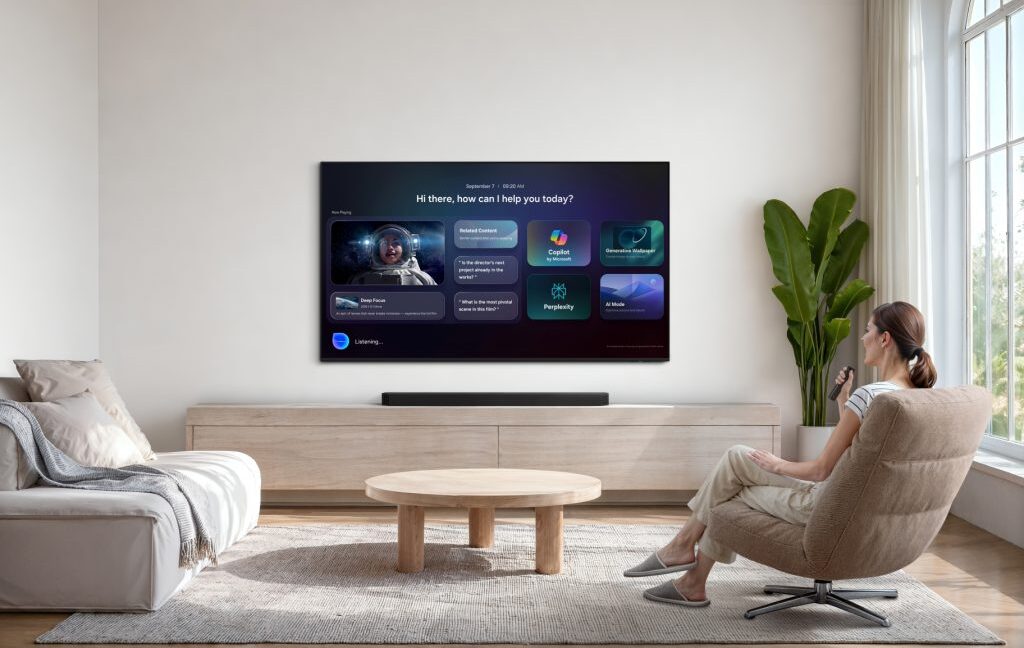
TCL claims Samsung's M70H, M80H, and M90H are recycled entry-level Crystal UHD sets relabeled as Mini LED, lacking technological advancements associated with true Mini LED technology.
“Samsung's M Models contain none of the technological advancements associated with Mini LED technology, including full array local dimming.”
Samsung's response
Samsung did not respond to specific questions about TCL's claims. A spokesperson said the company intends to vigorously defend against the lawsuit.
What FALD actually does
Full array local dimming uses dozens to thousands of small LEDs grouped into zones with individually controllable brightness, boosting contrast and delivering quality HDR on LCD-LED displays.
Samsung's dimming footnote
Samsung's M-series spec sheets list Supreme Mini LED Dimming but include a tiny footnote clarifying it is software-based, not full-array hardware-based technology.
“Supreme Mini LED Dimming is Software-based (not full-array hardware-based) technology.”
How software dimming differs
Software-based dimming analyzes each video frame and adjusts brightness to boost perceived contrast, but the display's brightness remains uniform across the panel unlike FALD.
Expert view on software dimming
Guillaume Chansin, associate director of displays and XR at Counterpoint Research, says software-based dimming will never be as effective as hardware-based local dimming, especially in blooming-prone scenes.
“will never be as effective as a well-designed, hardware-based local dimming solution, especially in scenes that are more susceptible to blooming artifacts.”
Industry consensus on FALD
Eric Virey, principal displays analyst at Yole Intelligence, says FALD requires a two-dimensional array of LEDs uniformly distributed across the display with a good algorithm.
“To me, a 'software-based' Mini LED dimming just doesn't make any sense if you don't have that full, 2D-array of LEDs or Mini LEDs in the backlight.”
Mini LED should mean FALD
Experts told the author that a display should not be considered Mini LED if it does not support FALD, with Virey saying FALD is a key and mandatory feature.
“I think that is broadly agreed across the industry that FALD is a key and mandatory feature in Mini LED backlights.”
No agreed LED size standard
There is no industry-wide rule for what makes an LED mini. TCL claims Mini LEDs are zero point one to zero point three millimeters, while Samsung's M-series use zero point five millimeter LEDs.
LED count and arrangement
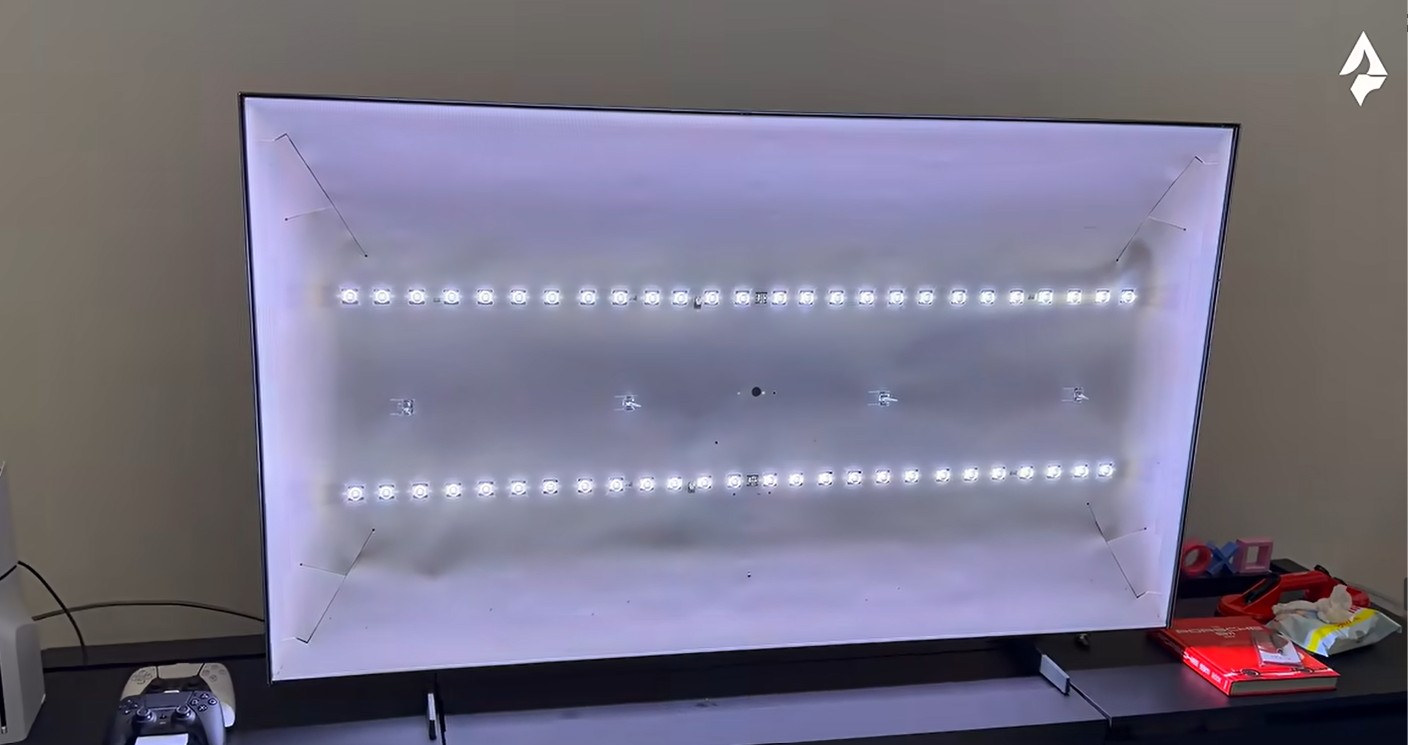
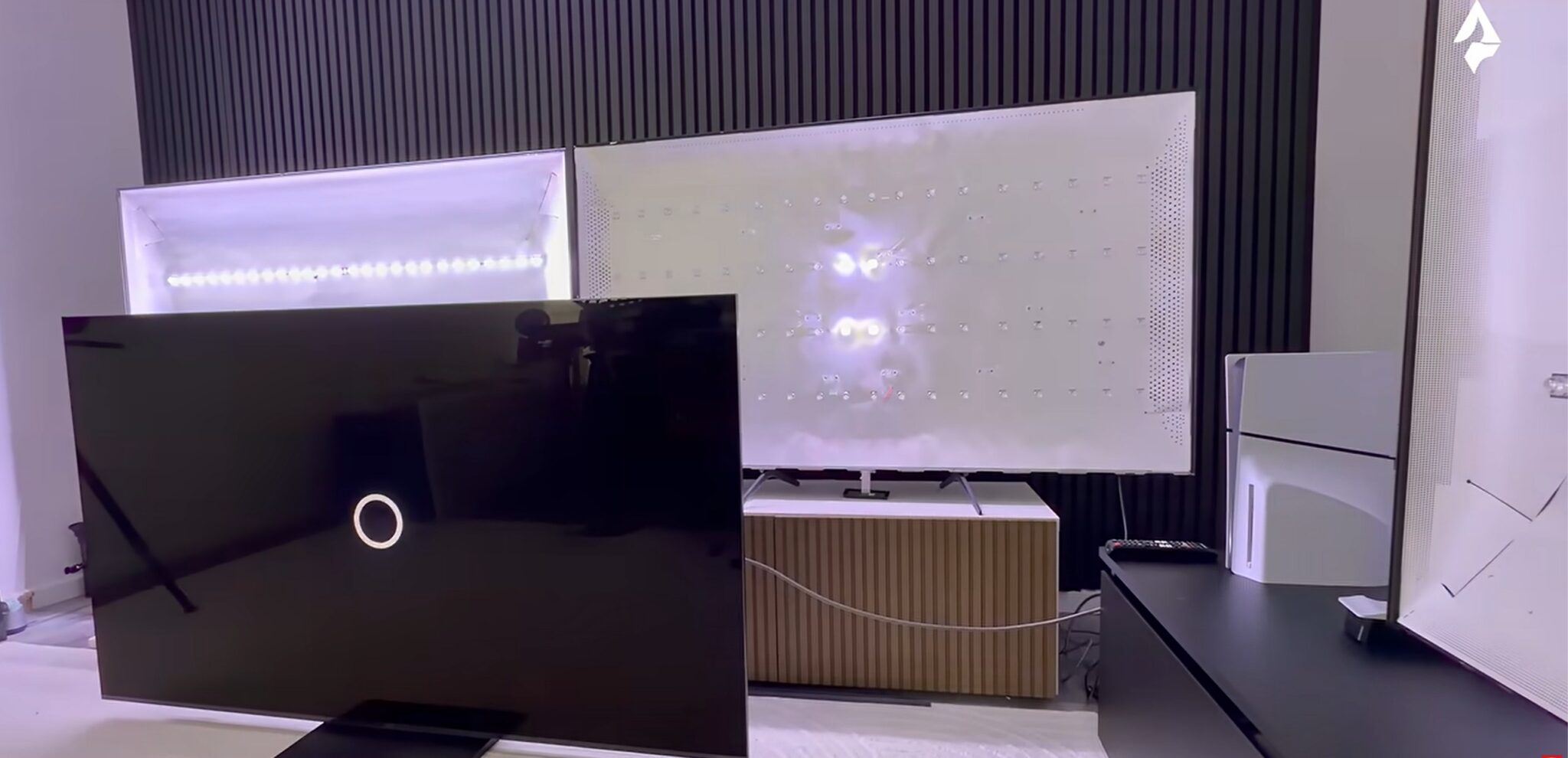
TCL alleges M-series TVs have a few dozen LEDs arranged on two aluminum strips, while some Mini LED displays have thousands arranged in an array across the panel.
Manufacturers exploit the gap
Without organizations with authority to enforce standards, TV brands have historically exploited the lack of clear definitions to be more creative in their marketing.
“There are no organizations with authority to make and enforce such standards. TV brands have historically exploited the lack of clear standards to be more creative in their marketing.”
M80H contrast performance
RTINGS found Samsung's M80H had low contrast of six thousand four hundred forty to one, making dark scenes look washed out in a dark room.
Neo QLED comparison
Samsung's one thousand two hundred dollar Mini LED Neo QLED QN80H reached contrast of eighty thousand to one after calibration, showing visible improvements in dark room viewing.
TCL's budget Mini LED struggles
TCL's budget QM6K at five hundred fifty dollars MSRP reached contrast of one hundred eighteen thousand fifty nine to one but has reportedly lacking HDR performance.
The real issue for shoppers
Terms like Mini LED are used liberally but do not always indicate performance. Manufacturers often fail to disclose LED size, dimming zones, or accurate contrast and brightness measurements.
What shoppers should rely on
Comparative pricing and independent testing are ultimately much more useful than a label on a box when deciding which TV to buy.
The one thing
TCL accuses Samsung of falsely marketing budget M-series TVs as Mini LED without the full array local dimming technology that industry experts say defines the category.





