From Ars Technica · · 3m
What you ate as a maggot shapes your whole life
Scientists find the protein that carries a record of larval diet into adulthood, explaining why early malnutrition extends lifespan.
In brief
Scientists find the protein that carries a record of larval diet into adulthood, explaining why early malnutrition extends lifespan. Researchers identified a storage protein that remembers what fruit flies ate as larvae and controls their adult lifespan, opening questions about whether the same mechanism works in…
Quick answers
- The mystery: how does infant diet affect adult life?
- What remained unknown was how a meal eaten in infancy could affect health weeks, months, or even years later. A new Nature study may have found the answer.
- What is the key takeaway from What you ate as a maggot shapes your whole life?
- Researchers identified a storage protein that remembers what fruit flies ate as larvae and controls their adult lifespan, opening questions about whether the same mechanism works in humans.
Starving young animals live longer
Since the nineteen thirties, scientists have noticed that water fleas, rats, and fruit flies fed restricted diets in youth live longer than well-fed peers.
The mystery: how does infant diet affect adult life?
What remained unknown was how a meal eaten in infancy could affect health weeks, months, or even years later. A new Nature study may have found the answer.
Obata's team tests low-protein larvae
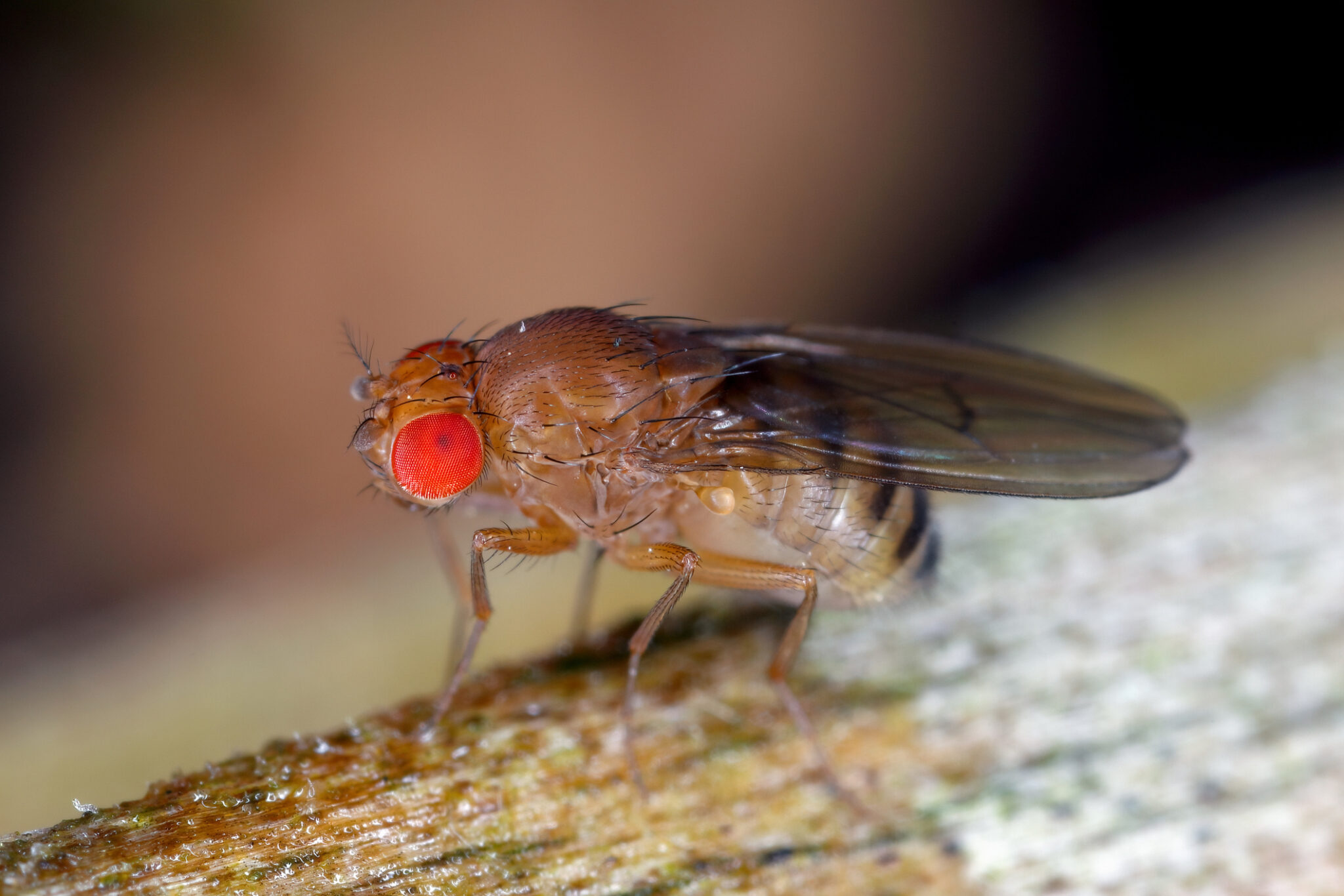
Fumiaki Obata at the RIKEN Center for Biosystems Dynamics Research in Kobe, Japan, reduced yeast protein in fruit fly larval food from eight percent to one or two percent halfway through development.
Protein-starved flies outlive well-fed ones
The protein-restricted flies lived longer than their well-fed siblings, but weighed up to twenty-eight percent less and laid fewer eggs.
The body remembers what larvae ate
When Obata added amino acids back to the low-protein larval food, the lifespan boost vanished. Adult flies somehow remembered their larval protein intake.
“Reproduction and lifespan are always in a tradeoff relationship.”
Hunting for the memory protein
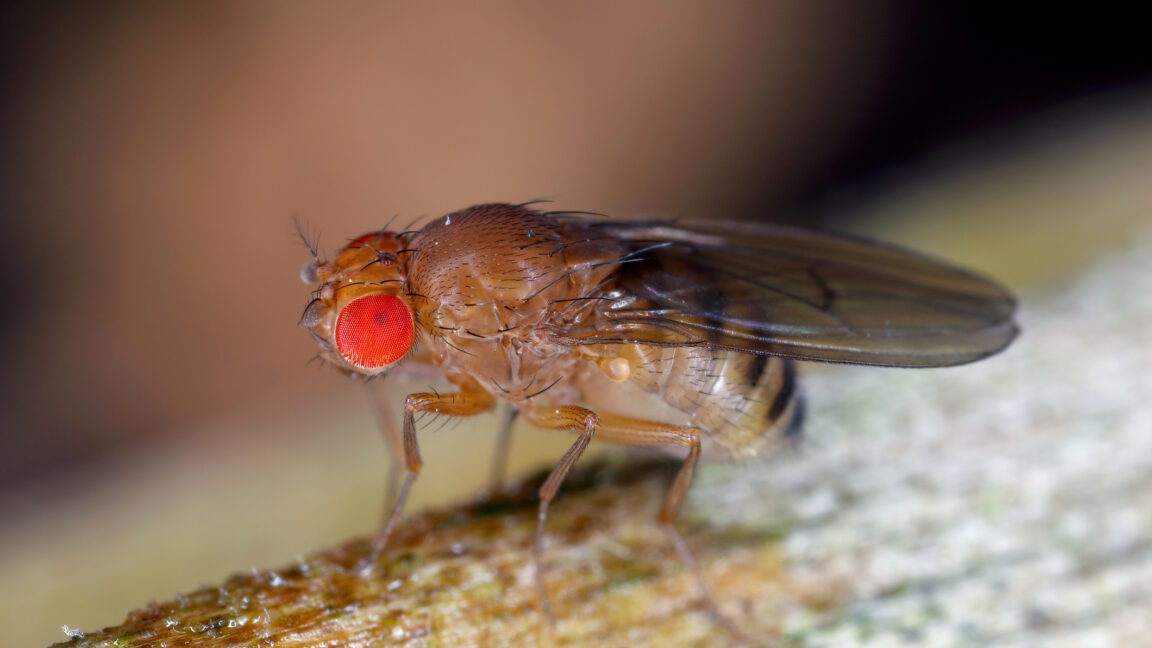
Comparing gene activity in adult flies raised on different diets turned up around one hundred candidate proteins. Obata's team checked them one by one.
Tracking amino acids through metamorphosis
Researchers tagged larval food with rare isotopes of carbon and nitrogen, then switched to different isotopes in adult food. Mass spectrometry revealed which proteins came from which stage.
Larval proteins persist into adulthood
Three days into adulthood, nearly sixty-four percent of head proteins came from larval amino acids. By day six, that dropped to forty-six percent, mostly ribosomal proteins.
Found: larval serum protein two
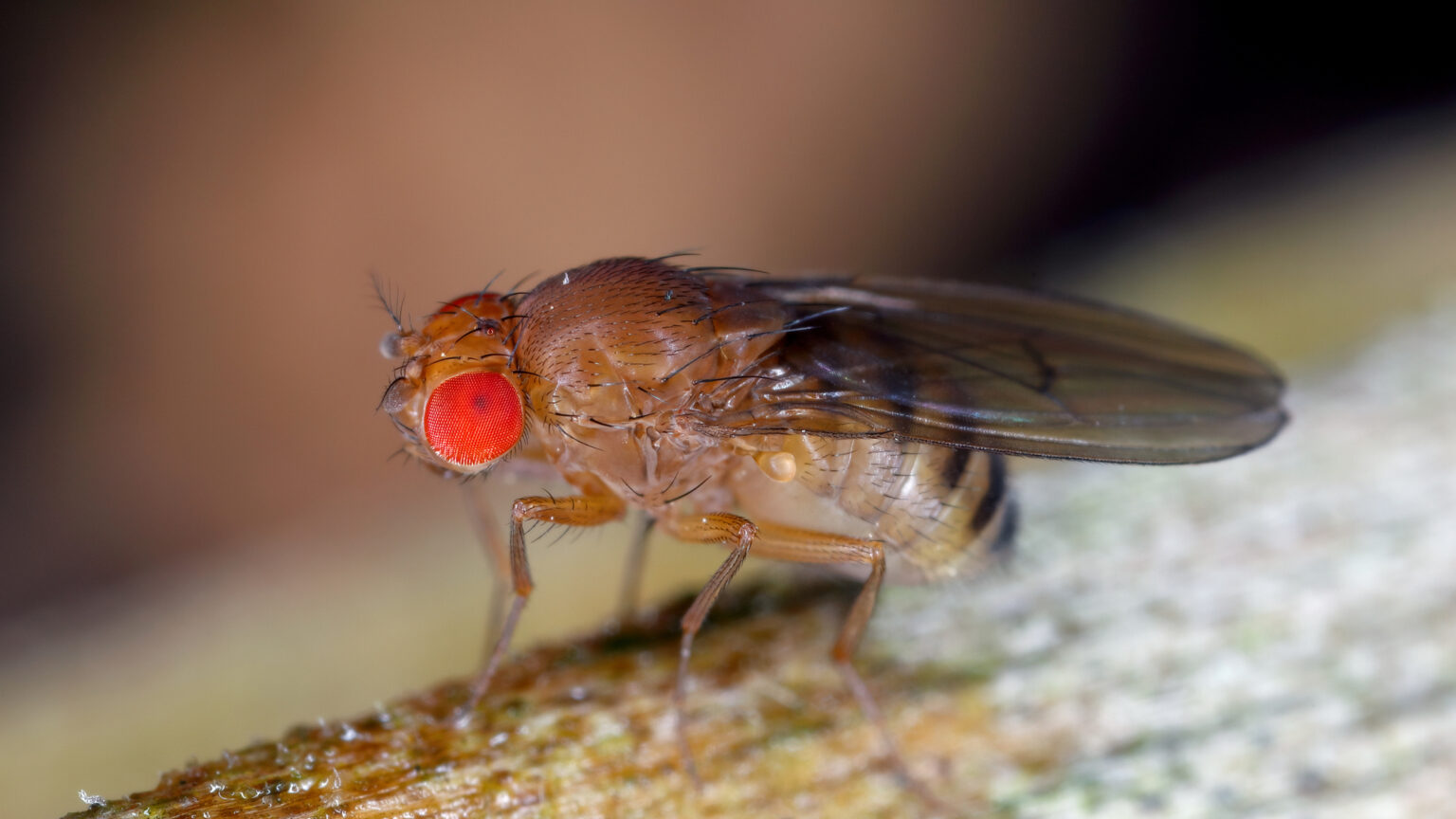
Obata identified larval serum protein two, or Lsp two, a storage protein larvae stockpile for metamorphosis. Protein-restricted larvae made less Lsp two, and levels stayed low into adulthood.
The chain of longevity
Less larval protein leads to less Lsp two, fewer ribosomes, slower protein production in young adults, and longer life. But some links remain unclear.
Humans may have an equivalent
Mammals lack Lsp two, but Obata thinks albumin and globulins, which make up ninety percent of blood protein, may carry nutritional memory the same way.
Testing the human connection

Obata plans to test mice first, then primates, then look for correlation between albumin levels and human lifespan. Different amino acids may be key in people.
What matters most
Researchers identified a storage protein that remembers what fruit flies ate as larvae and controls their adult lifespan, opening questions about whether the same mechanism works in humans.