From Ars Technica · · 4m
Wildfire drones spot fires fast but can't stop them yet
XPRIZE competition winners detected blazes in under 10 minutes but fell short of fully suppressing them, revealing the gap between detection and response.
In brief
XPRIZE competition winners detected blazes in under 10 minutes but fell short of fully suppressing them, revealing the gap between detection and response. Early detection of wildfires is now technically feasible, but actually stopping them before they spread remains the harder problem. Originally reported by Ars…
11 million dollar wildfire challenge
XPRIZE Wildfire competition offered two grand prizes: one for space-based fire detection and another for autonomous response drones. No team won either grand prize, but finalists showed promising early-stage technologies.
Two tracks, one goal: ten minutes
The detection track required teams to spot all fires across Australia within 10 minutes. The response track challenged teams to detect and extinguish a high-risk fire in rural Alaska within 10 minutes while ignoring decoy fires.
Why ten minutes matters
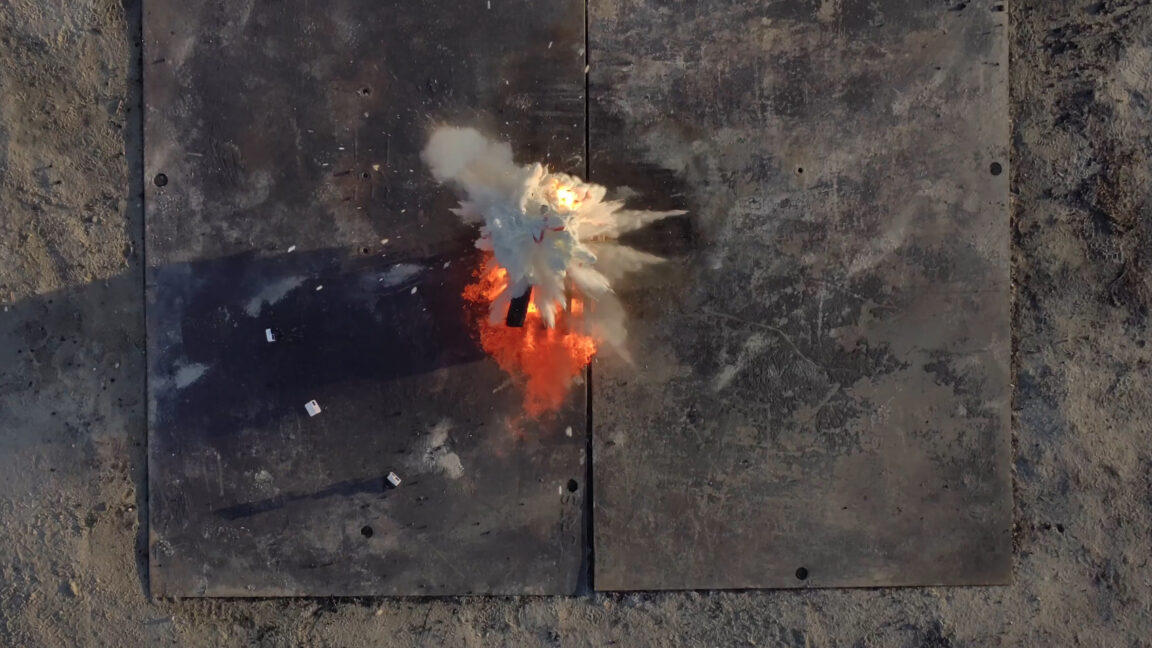
A 911 call is still the most common way wildfires are discovered, typically taking at least 15 minutes. Earlier detection gives firefighters crucial time to respond before fires spread uncontrollably.
“A 911 call is still the most typical way that we find out about wildfires, and on average, that's going to be at least 15 minutes.”
From sound waves to laser drones
Early competition entries proposed wildfire suppression using sound, lasers, robotic dogs, and ground-based systems. Judges eventually focused on practical solutions that could work within the tight 10-minute window and Alaska's geography.
“At the very beginning, we saw things like sound being able to put out a fire, lasers, and all sorts of robotics like robotic dogs.”
Satellites built for weather, not fire
Current satellites monitor weather and environment but weren't designed for wildfire detection. Teams in the space track developed AI systems to repurpose existing satellite data for rapid fire spotting across large areas.
“Current satellites are not built for wildfire detection, they're built for a lot of other environmental monitoring and weather monitoring.”
New wildfire satellites launching
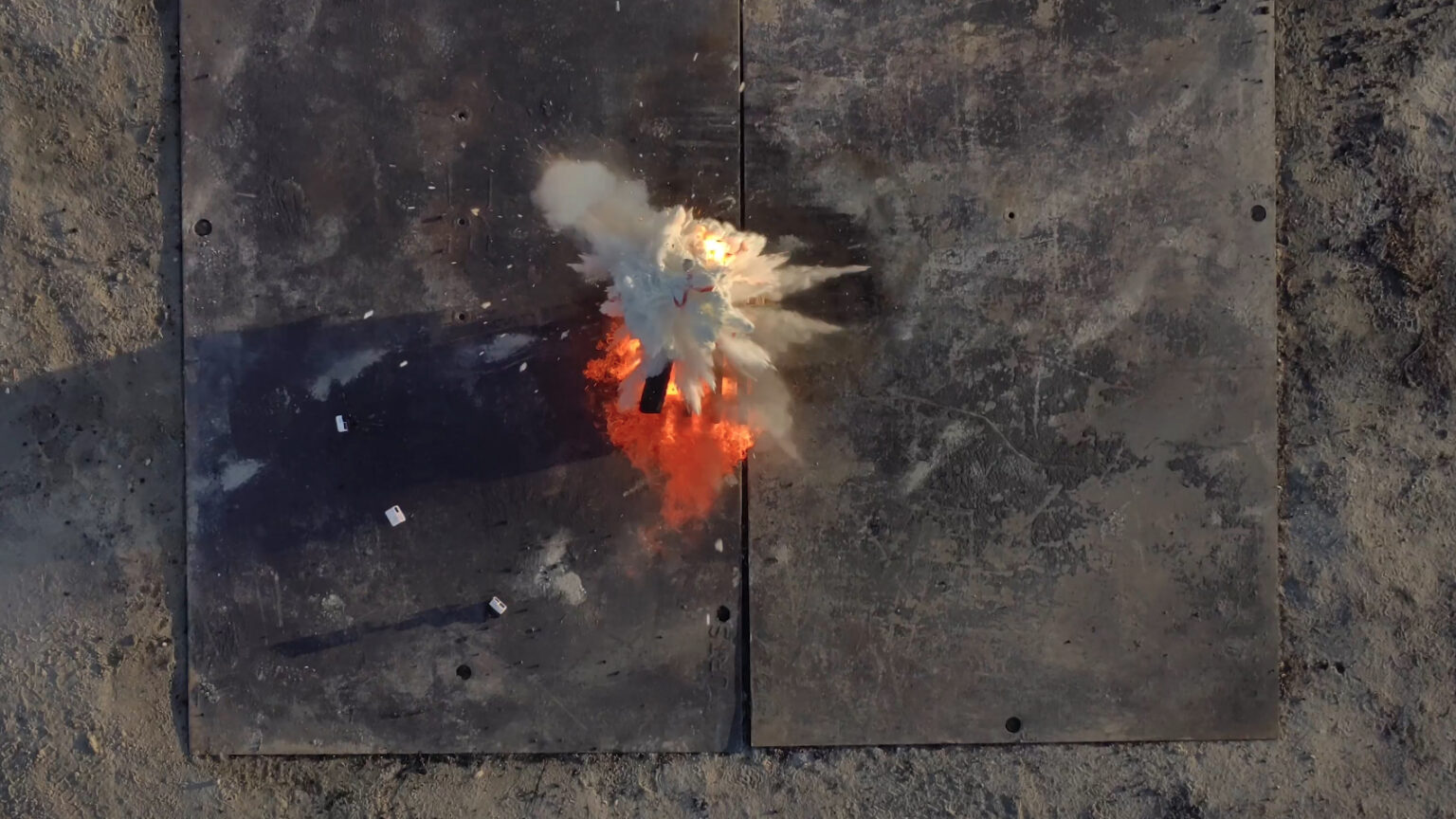
OroraTech launched a dedicated wildfire detection satellite constellation in March 2025. Google-backed FireSat launched its first microsatellites in July 2026. These purpose-built systems could eventually replace the AI workarounds.
Space detection winners announced
SIRIUS Wildfire Alliance from the UK won first place with $500,000 for modeling fire spread using optical and radar data. Team Snuffed from Arizona took second place with $250,000. Three teams earned $100,000 each for special recognition.
Alaska test: detection worked, suppression didn't
All three finalists detected the high-risk fire within 10 minutes in rural Alaska. Two deployed firefighting drones, but none fully extinguished the blaze. One team deployed suppressant accurately but couldn't apply enough to knock the fire down entirely.
“The really exciting part was, we did have a team that was able to do all of the actions within the 10 minutes and very accurately hit the fire. But they weren't able to put enough suppressant on it to knock it down entirely.”
Anduril's thermal towers and drone swarms
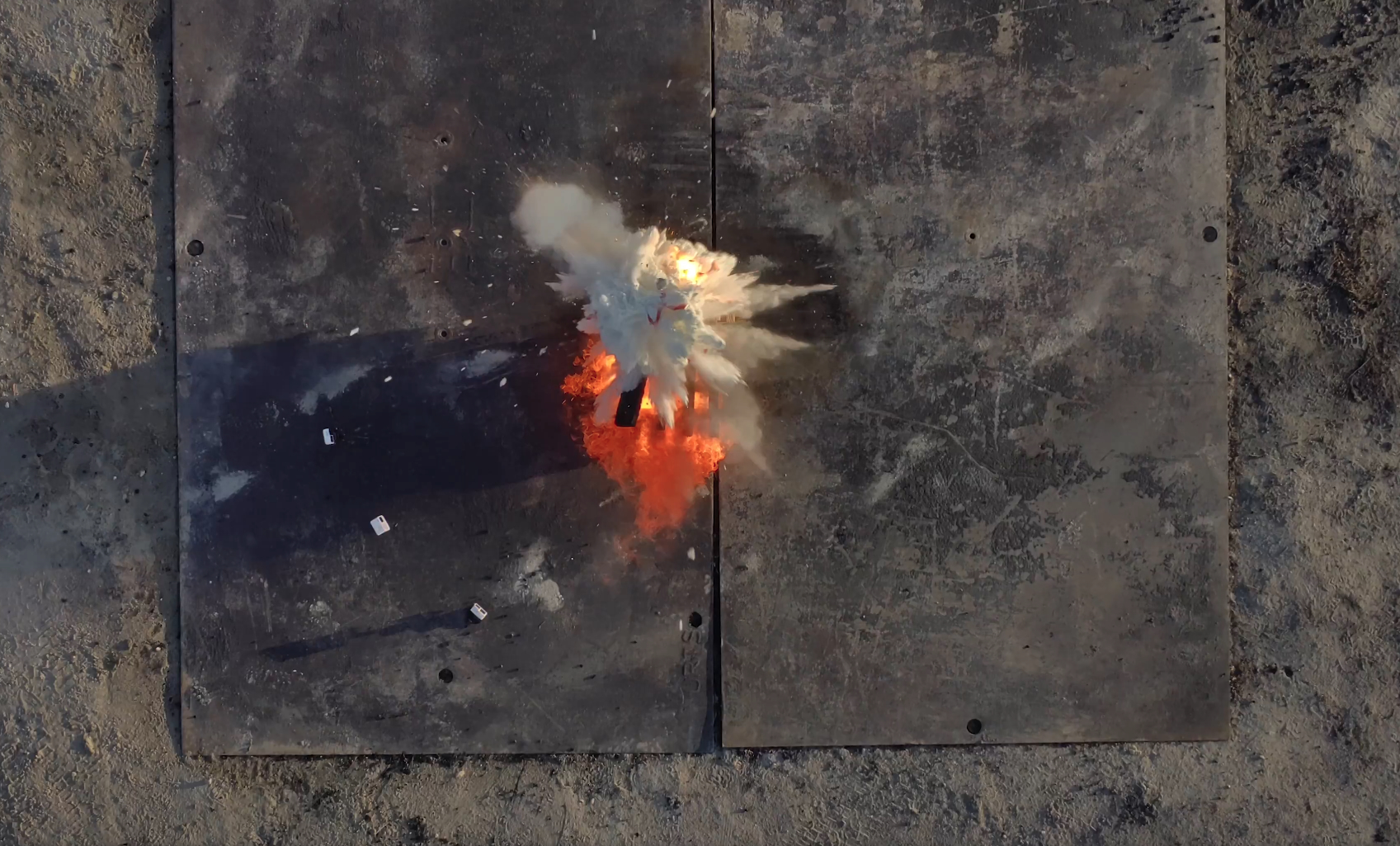
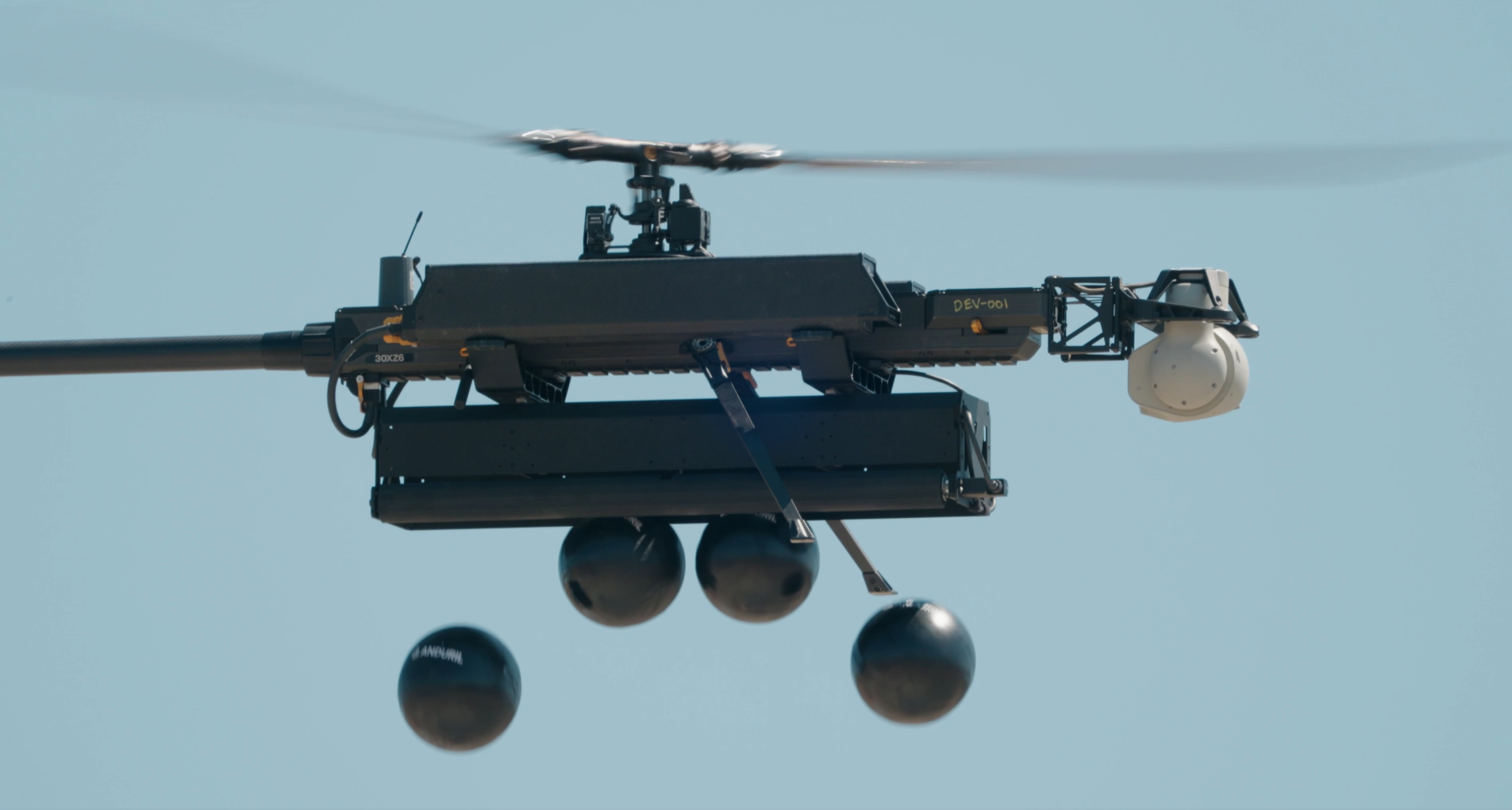
Anduril Industries won first place with $1.2 million using a Sentry Tower with thermal imaging and AI to detect fires, then deploying drone swarms to surveil and a Ghost-X drone to drop fire retardant balls. Anduril also won an extra $1 million from Lockheed Martin for fastest detection.
Dryad's gas-sniffing ground sensors
Dryad Networks placed second with $800,000 using 170 solar-powered ground sensors to detect gases from smoldering fires, an observation drone to locate the fire, and a Silvaguard Suppression Drone to attack it.
Budget approach wins third place
AURA Foresight from the UK and Australia won $500,000 third place using cheap off-the-shelf hardware and AI software, deploying DJI drones for fire suppression. The team met for the first time in Alaska just weeks before the test.
“They had just weeks to pull things together. They met for the first time in Alaska.”
Lahaina fires sparked the competition
XPRIZE Wildfire launched in April 2023, just months before a wind-fueled wildfire destroyed Lahaina, Hawaii in August 2023, killing at least 102 people. The disaster underscored the urgency of better detection and response technologies.
Costliest wildfire in history
Los Angeles wildfires in January 2025 destroyed nearly 12,000 homes, killed 31 people, and cost an estimated $140 billion in losses. It ranks among the top five costliest natural disasters ever recorded, according to Nature Reviews Earth & Environment.
Wildfires spreading to unexpected places
South Korea experienced its largest wildfire on record in March 2025. Wildfires now threaten NASA facilities near Madrid and have forced over 320,000 evacuations in Spain and France. Smoke from Canadian wildfires has triggered air quality alerts for over 100 million Americans nearly every summer for four years.
“They're even happening in places where it's not a natural part of the landscape, like in the Amazon or up in tundra regions.”
Next steps: real-world deployment
XPRIZE organizers are now focused on supporting deployments of the most promising technologies with firefighting agencies rather than planning a follow-up competition. The goal is ensuring tested solutions reach the agencies that need them most.
“You want to be able to provide as many tools as you can, but also the right tools for the right environment.”
What to remember
Early detection of wildfires is now technically feasible, but actually stopping them before they spread remains the harder problem.





