From Ars Technica · · 3m
You don't have two brains, despite what headlines say
A viral press release misrepresented new research on how the brain develops its distinct regions from a single embryonic sheet.
In brief
A viral press release misrepresented new research on how the brain develops its distinct regions from a single embryonic sheet. The brain forms as one structure with distinct segments that inherit positional information early in development, not as two separate brains. Originally reported by Ars Technica.
Viral headlines claim two brains
Last week, news outlets reported that new research suggested humans might have two brains instead of one. The story originated from a single university press release.
The reality is much simpler
You have one brain with distinct regions. The new research shows how those regions form during development, not that you have two separate brains.
“You do not have two brains. It's a silly way to look at the results of the new paper.”
The nervous system develops in segments
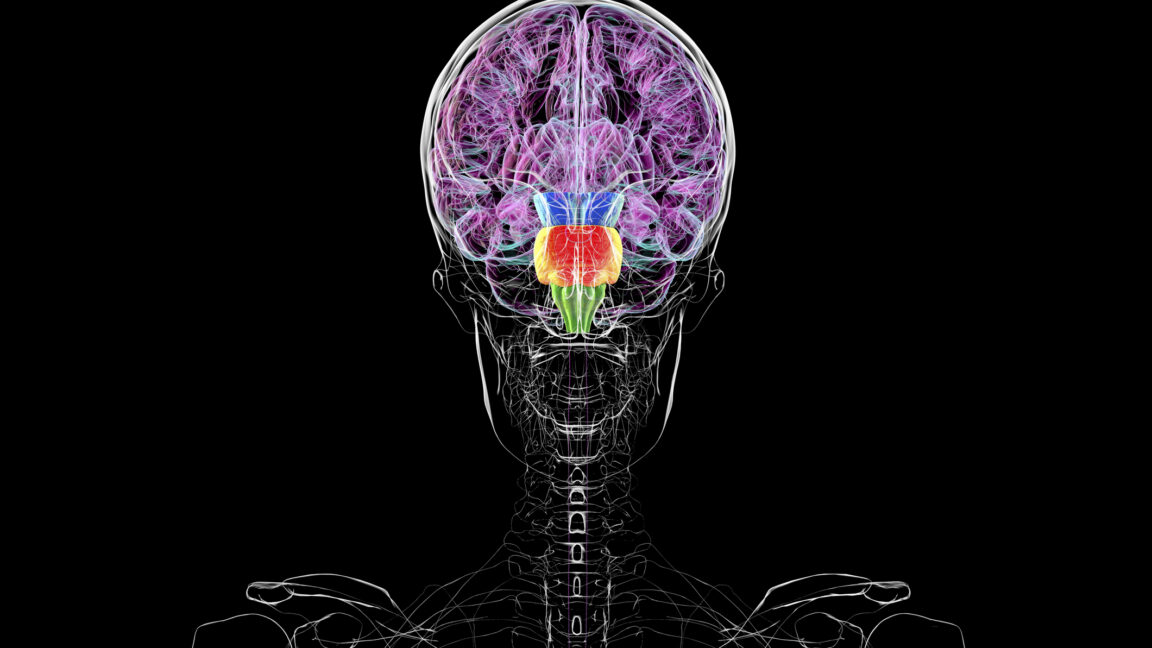
Vertebrates have four major nervous system segments: the forebrain, midbrain, hindbrain, and spinal cord. Understanding how these segments form is a key question in developmental biology.
Brain starts as a flat sheet
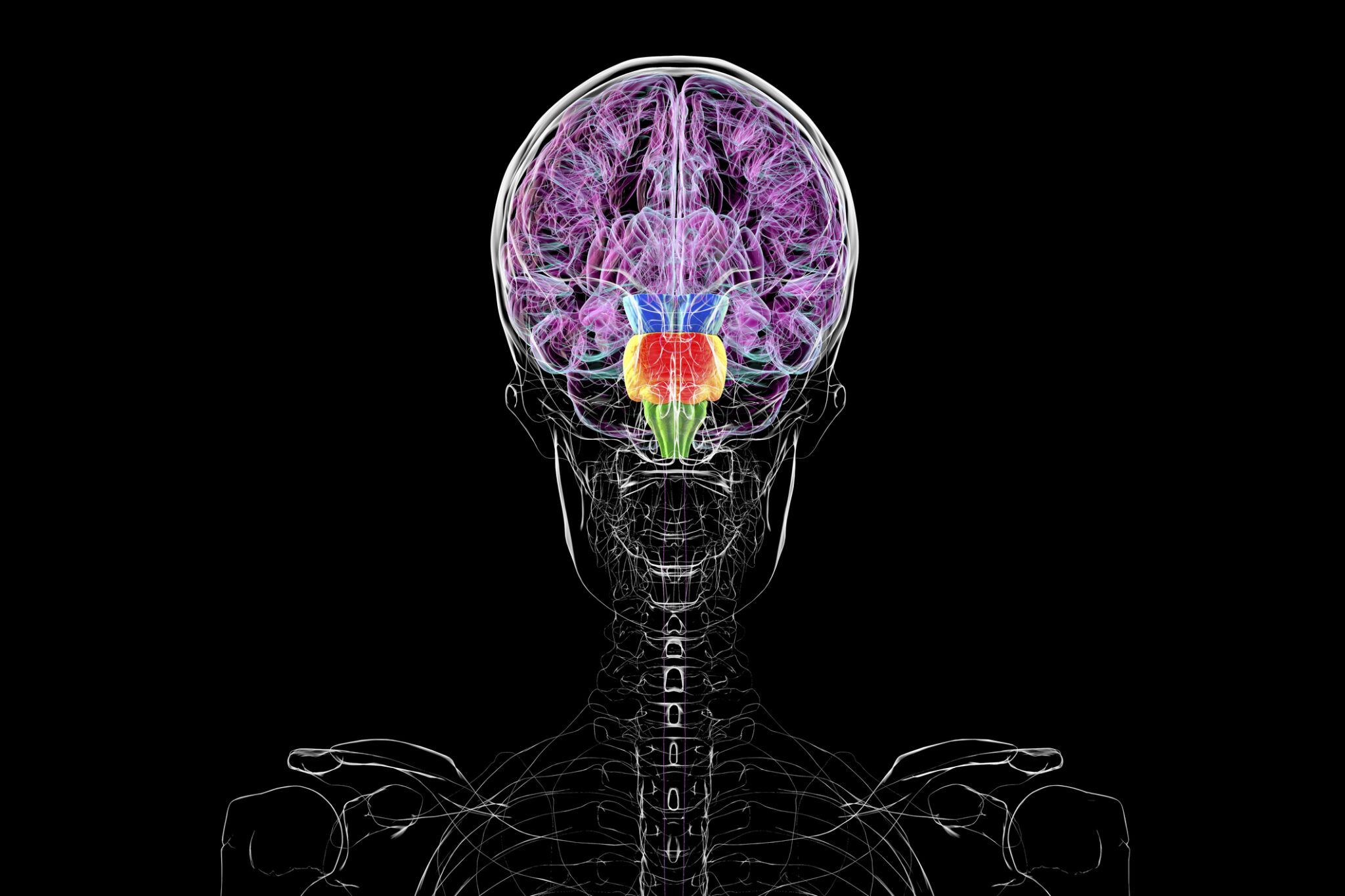
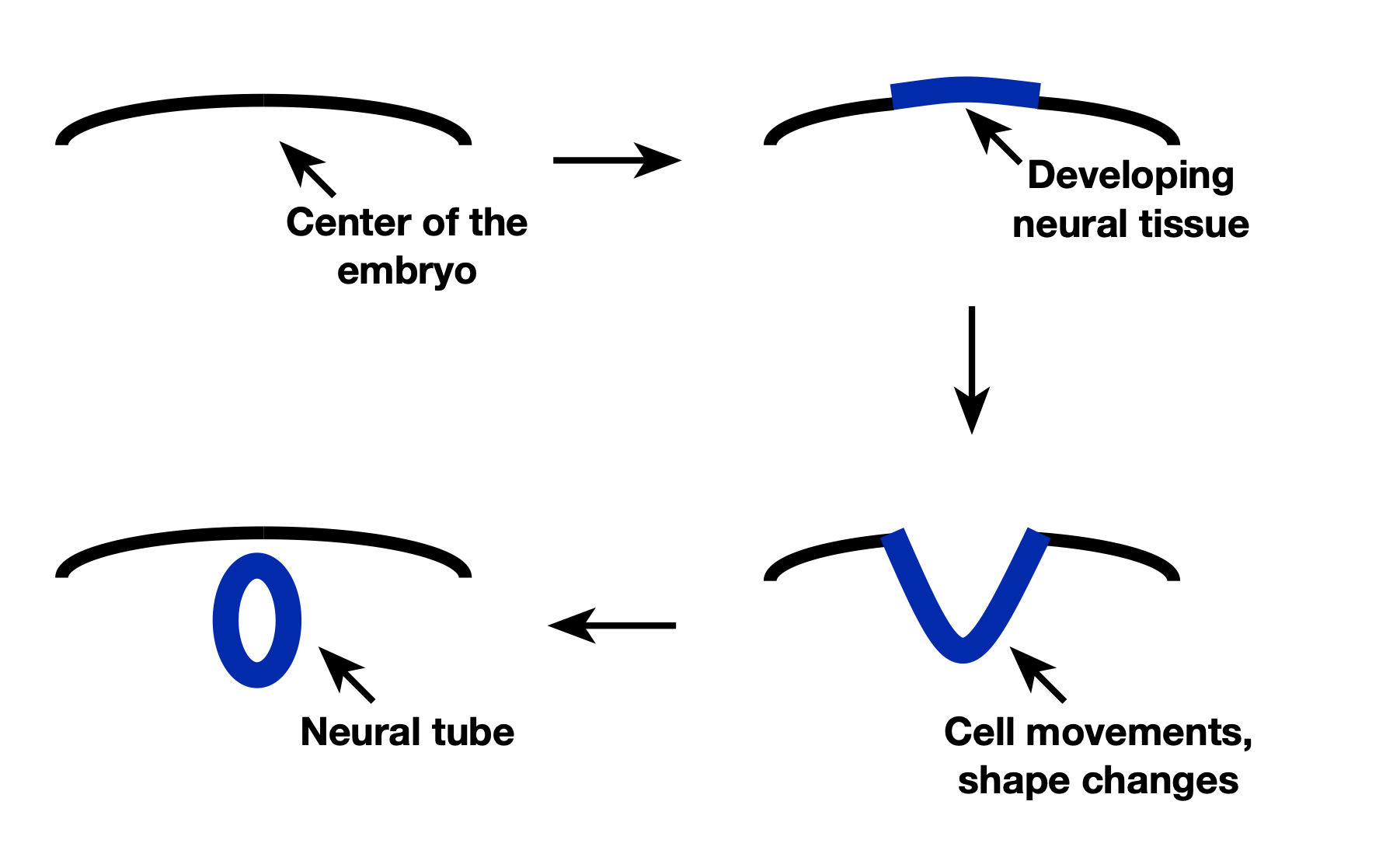
Neural cells form as a thickening of the ectoderm running down the embryo's center. This tissue folds into a tube that eventually becomes the entire nervous system.
Embryo knows head from tail
Before neural cells even form, the embryo already knows its head from its tail and its back from its belly. This positional knowledge gets passed to developing nerve cells.
Two ways to inherit position
Nerve cells could inherit positional information from the ectoderm they form from, or neighboring cells could send signals telling them where they are. Research suggests both happen.
Genes activate in front and back
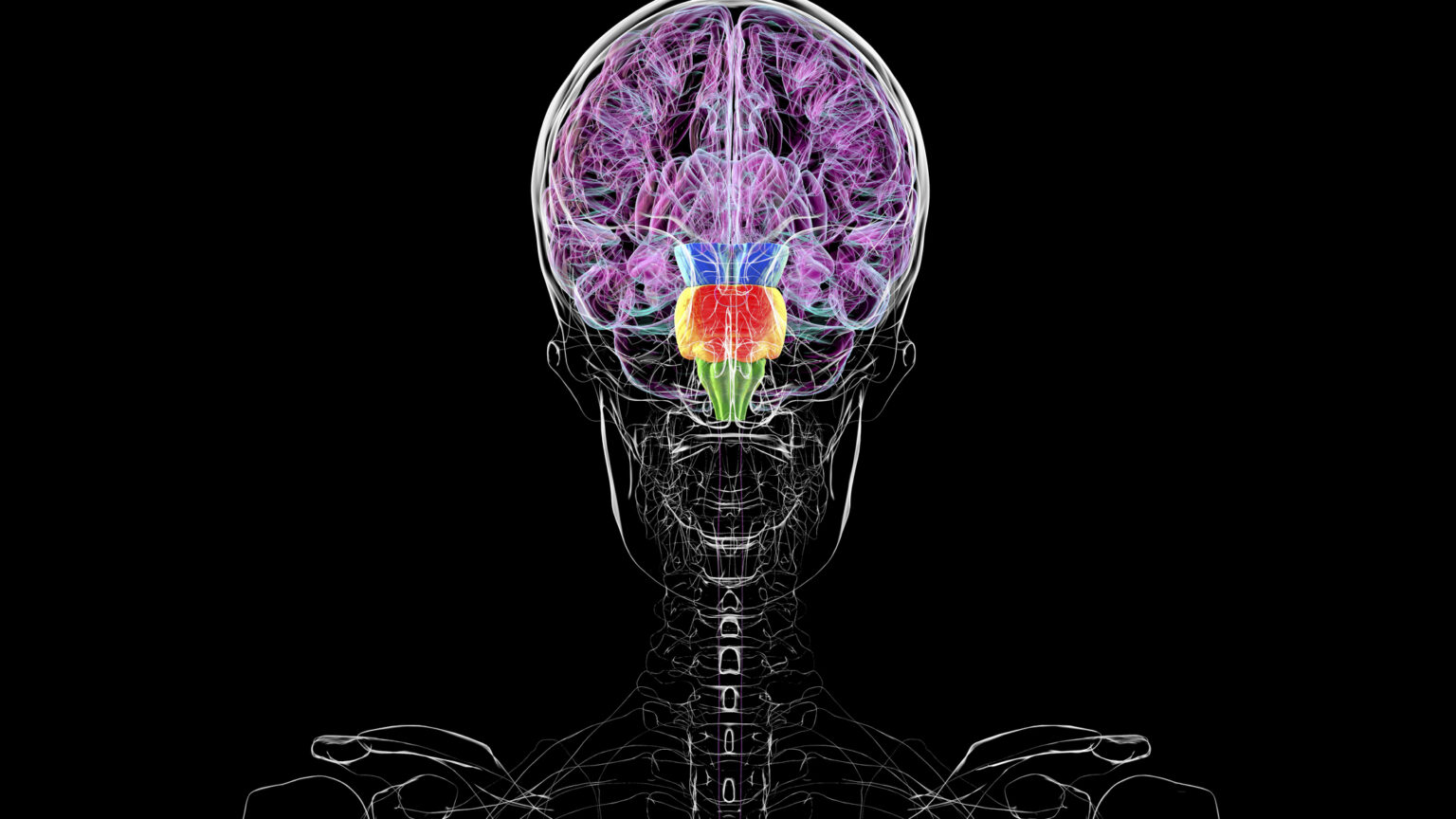
Earlier research found that the early embryo activates two genes, one in the front half and one in the back. This gives nerve cells crude positional information.
Fluorescent mice reveal boundaries
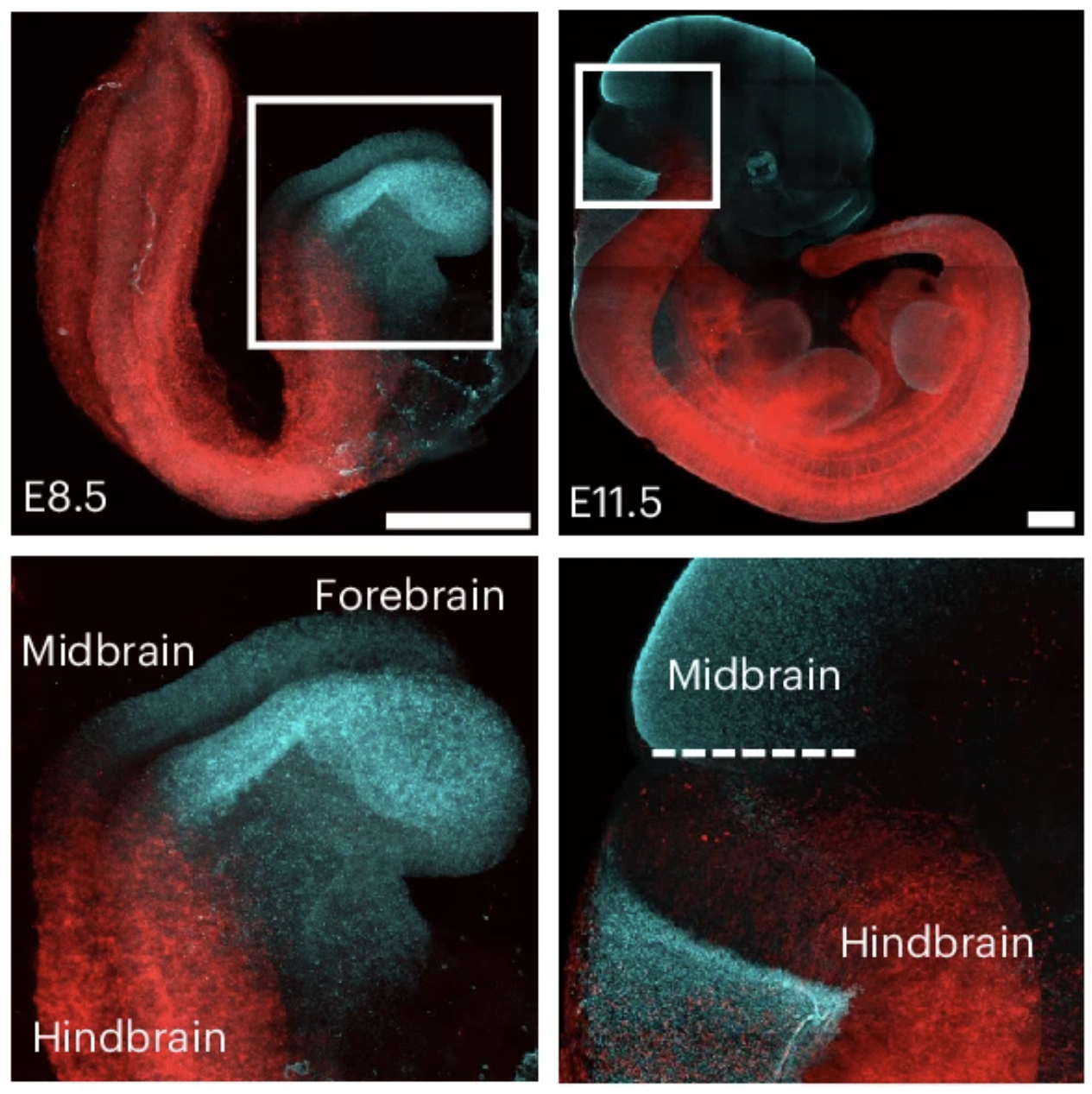
Researchers engineered mice where half the early ectoderm glowed red and half glowed cyan. As the brain formed, the hindbrain stayed red while the rest glowed blue.
Single cells show clear fates
When researchers labeled individual cells in the early ectoderm, 96 percent of the time all descendants ended up in either the hindbrain or the midbrain and forebrain together.
Human stem cells show same pattern
The same process happens in human stem cells. Exposing them to the right signals tells them where they are, and they inherit that information as they become neurons.
Some flexibility exists at borders
The 96 percent exclusive behavior is not absolute. Cells at the border between front and back ectoderm may change fates if they move in the right direction.
Other boundaries form differently
Differences between the midbrain and forebrain arise later through signaling molecules that diffuse through the developing brain. The hindbrain-spinal cord boundary remains poorly understood.
Segments enable complex responses
Different brain regions respond differently to the same signals. The entire nervous system gets exposed to sonic hedgehog and BMPs, but each segment interprets them uniquely.
Signals get recycled across time
BMPs initially tell cells whether to become neurons, then later tell neurons what identity to adopt, then help direct neuron migration. One signal system does multiple jobs.
Boundaries create special zones
The junction between segments becomes a distinct environment where cells experience influences from both neighboring regions. These boundaries activate unique genes that shape nearby development.
One brain, incredible complexity
The research shows how a flat sheet of cells becomes the brain's incredible complexity through early positional information and segment identity. It's one brain with many distinct regions.
At a glance
The brain forms as one structure with distinct segments that inherit positional information early in development, not as two separate brains.