From BBC News · · 4m
China's rise drowns out dissidents' voices
As Beijing's economic power grows, activists say their fight for human rights is being sidelined by geopolitical interests and China's soft power.
In brief
As Beijing's economic power grows, activists say their fight for human rights is being sidelined by geopolitical interests and China's soft power. Uyghur and Tibetan activists say China's growing economic clout and strategic use of family visits are weakening their movements and fracturing diaspora communities…
Protest crowds shrink as China rises

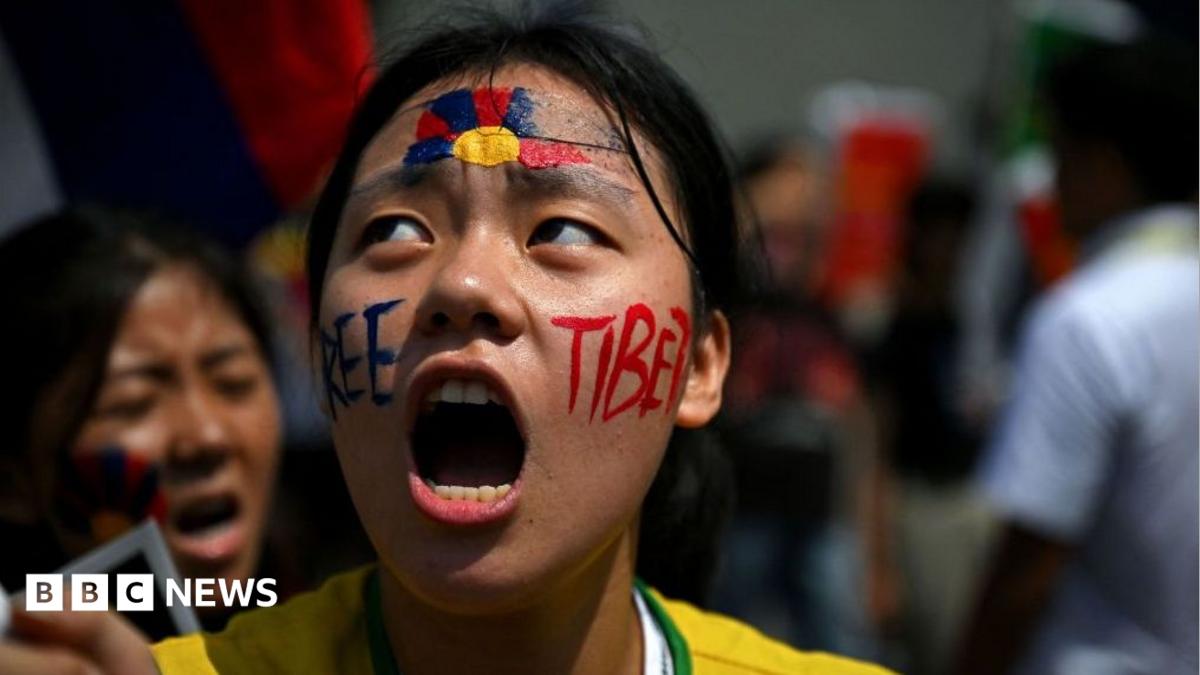
Uyghur activist Dolkun Isa says he could get thousands to protest in 2018 but now struggles to find even five hundred people. China's economic power is drowning out voices fighting for human rights.
“Back in 2018, we could easily get thousands of people out in the streets to protest against China's human rights violations. Nowadays, we have trouble finding even 500.”
China's economic reach is now global

Electric vehicles pack highways from Brazil to Belgium. Made-in-China batteries, solar panels, AI models and Labuib dolls from Pop Mart fuel daily consumption worldwide. China's economic clout now has the flex of soft power.
Beijing swaps the stick for the carrot
Uyghur journalist Arslan Hidayat, born and raised in Australia and running Kashgar Times, says Beijing offers family reunions, money and safety in return for information about networks and pro-party narratives.
The result: fewer voices, less trust
Activists say the movement has fewer voices and less trust. The Chinese embassy in the UK dismissed claims that exiles would be asked to spy or disclose information about fellow exiles.
Western governments deprioritise human rights

Pulitzer Prize-winning journalist Ian Johnson says China's economic muscle has reshaped foreign policy. Western governments have become more inwardly focused and populist, pushing human rights down their lists of priorities.
Human rights absent from Xi-Trump summits
China's human rights record has not earned a mention in any of the three summits Xi Jinping and US President Donald Trump held this year, including the one in Shenzhen last week.
Tibetan activist dies protesting ethnic unity law
In July Tibetan activist Lobga Rangzen died after setting himself on fire outside the UN headquarters in New York.He was protesting against China's sweeping new ethnic unity law requiring minorities, including Tibetans, to learn Mandarin.
International attention quickly faded

The UN called Lobga Rangzen's death an absolutely tragic incident, but attention quickly faded. Researcher Tenzin Dorjee at the Tibet Action Institute says much of the world is reluctant to criticise China because of the…
“an absolutely tragic incident”
Exiles report being recruited as informants
Arslan Hidayat says he has interviewed at least a dozen Uyghur exiles invited to return to China on condition they provide information to Chinese agents.
Xinjiang rebranded as tourist destination
Beijing has repackaged Xinjiang into a traveller's haven. The region saw more than three hundred million domestic and international tourist visits last year, more than double the number in two thousand eighteen, Chinese authorities say.
Family visits create suspicion within diaspora

Uyghur linguist Abduweli Ayup in Norway has observed former activists going off the grid after returning from family trips.Some deleted social media accounts and cut contact.
Musician rejects emotional blackmail from Beijing
Uyghur musician Mirkamel Tourghoun, forty two, has lived as a refugee in Paris since two thousand eight.In January an official claiming to be from Urumqi called offering family reunion if he would return.
“Tell my family to forget they ever had a child like me. There is no other solution.”
The headline
Uyghur and Tibetan activists say China's growing economic clout and strategic use of family visits are weakening their movements and fracturing diaspora communities.
Read the TL;DR — this story on one card.