From BBC News · · 4m
Swedish clinic offers to reassess ADHD and autism diagnoses
A government-funded clinic in Sweden is reassessing people's ADHD and autism diagnoses, drawing hundreds of applicants but also criticism from neurodiversity advocates.
In brief
A government-funded clinic in Sweden is reassessing people's ADHD and autism diagnoses, drawing hundreds of applicants but also criticism from neurodiversity advocates. A Swedish clinic reassessing ADHD and autism diagnoses has attracted hundreds of people seeking to remove labels they believe were incorrect, but…
A clinic for diagnosis reassessment
Mottagning Neuropsykiatri, a government-funded clinic in Sweden, offers reassessments of ADHD and autism diagnoses. Its doctors believe it is the first clinic in the world dedicated solely to this purpose.
Hundreds seek reassessment
Despite controversy, hundreds of people have approached the clinic about reassessment. During the first year of the pilot, some four hundred to five hundred people spoke to the clinic about getting a reassessment.
Why people want reassessment

In Sweden, ADHD and autism historically barred people from military, police, pilot and train driver roles.
Freya's story
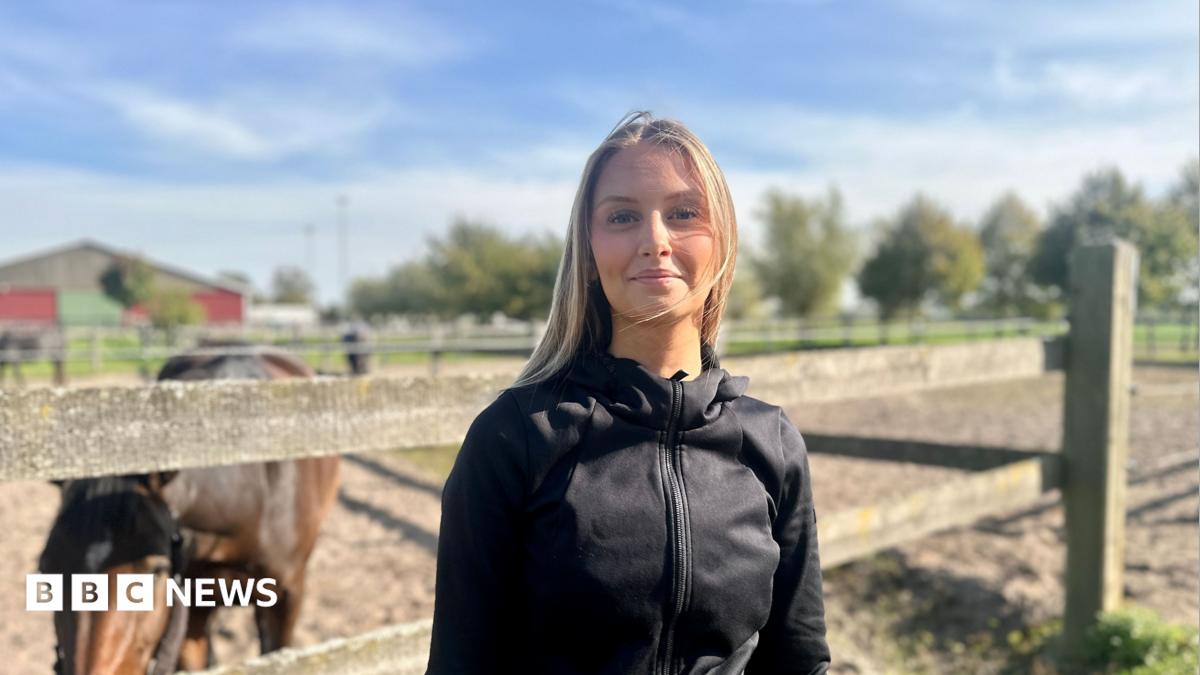
Freya was diagnosed with ADHD at twelve after struggling with anxiety at school. As she grew up, she felt she did not experience ADHD symptoms and discovered the diagnosis could be a barrier to joining…
“I want to have every option open.”
Johanna's experience

Johanna, twenty-four, was diagnosed with ADHD at fourteen after bad behaviour at school. She found it helpful initially but as an adult stopped feeling she needed extra support and questioned its accuracy after discovering it…
How the clinic works
The clinic's approach focuses less on someone's history and more on symptoms they are experiencing in the present. Rather than wiping the original diagnosis, doctors add a note of the new assessment to medical records.
“This is not de-diagnosing, this is a renewed assessment of your functioning today.”
The clinic's theory

Sebastian Lundström, the clinic's lead psychologist, believes that for a small minority, ADHD and autism are not lifelong conditions and individuals may stop experiencing symptoms as they grow older.
Navid Ghannad's concern
Navid Ghannad, chair of Autism Skåne, warns that removing a diagnosis because someone is not currently showing symptoms risks leaving them without support if symptoms resurface later in life.
“Because at a certain point in their adulthood during a clinical setting they have had their diagnosis removed, it doesn't necessarily mean that the ADHD or the autism has disappeared.”
Vilda's story

Vilda, twenty-two, sought reassessment of her autism diagnosis given after she experienced a trauma. She did not recognise herself in the description of autism and felt stuck, knowing it was not her but unable to…
“I didn't recognise myself in the description of autism. I was stuck.”
Stigma concerns
Jenny Hedin from Organiserade Autister Västernorrland warns that the clinic presents neurodiversity as a problem to be fixed.
“The clinic presents neurodiversity and autistic people as a bad thing, like we are a problem that needs to be fixed - we are not.”
Change the rules instead

Eric Donell, chairman of Riksförbundet Attention, argues the focus should be on changing employment rules rather than asking people to remove diagnoses.
“Instead of asking people to get rid of their diagnosis, sometimes we should just ask whether the rules themselves are justified.”
Freya's outcome
After her appointment at the clinic, Freya was found not to meet the criteria for an ADHD diagnosis.
“Now, finally, I have the same opportunity as everyone else.”
The one thing
A Swedish clinic reassessing ADHD and autism diagnoses has attracted hundreds of people seeking to remove labels they believe were incorrect, but critics warn it risks deepening stigma around neurodivergence.
Read the TL;DR — this story on one card.