From BBC Sport · · 1m 30s
How players withdraw from international squads
England's five injured players dropped out of Nations League duty, but the process for withdrawing is surprisingly informal outside major tournaments.
In brief
England's five injured players dropped out of Nations League duty, but the process for withdrawing is surprisingly informal outside major tournaments. International withdrawals outside major tournaments have no formal rules. Clubs and national teams simply discuss injuries between their medical departments, with FIFA…
Five England players withdraw

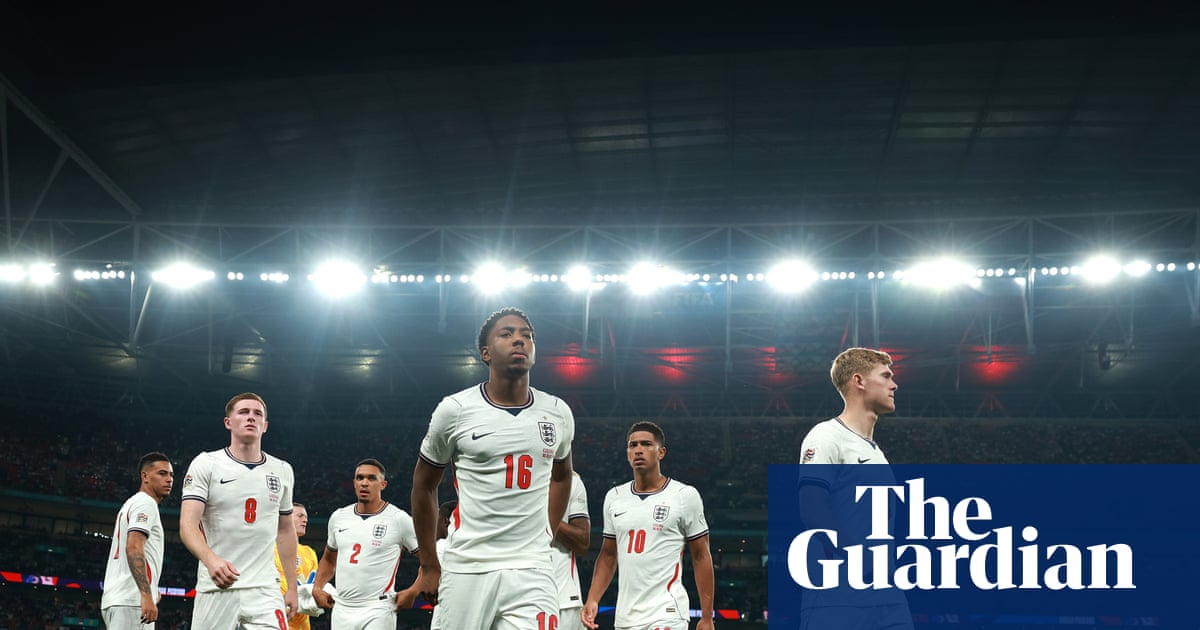
Declan Rice, Cole Palmer, Marcus Rashford, Kobbie Mainoo and Tino Livramento all dropped out of England's Nations League squad due to injuries on Monday.
No formal process outside tournaments
There is no standardised withdrawal process for international squads outside major tournaments like the World Cup or European Championships.
How the FA handles withdrawals
The Football Association allows players to withdraw after a conversation between their club's medical team and England's medical department. Both parties often carry out medical assessments.
FIFA can step in if needed

FIFA laws allow associations to request their own medical checks if they doubt a player's injury claim. In extreme cases, nations can complain to FIFA if they feel a club or player is acting unfairly.
Major tournaments have strict rules
At the World Cup or European Championships, players need medical proof of injury approved before withdrawing. Goalkeepers have fewer restrictions due to their specialised position.
Nations League squad submission rules
For Nations League matches, UEFA requires teams to submit a 23-player squad by 23:59 Central European Time the day before each match, with at least three goalkeepers required.
What matters most
International withdrawals outside major tournaments have no formal rules. Clubs and national teams simply discuss injuries between their medical departments, with FIFA able to intervene only in extreme cases.