From BigGo Finance · BigGo Finance · · 2m
Japanese Automakers Commit THB 134 Billion Investment in Thailand
Six Japanese automakers pledge THB 134 billion investment in Thailand after government sets 35% import tax for EVs.
In brief
Six Japanese automakers pledge THB 134 billion investment in Thailand after government sets 35% import tax for EVs. Six Japanese automakers announced plans to invest over THB 134 billion in Thailand between 2026 and 2030 to upgrade production for electric vehicles and biofuels following a new 35% import tax on fully…
Japanese automakers pledge investment
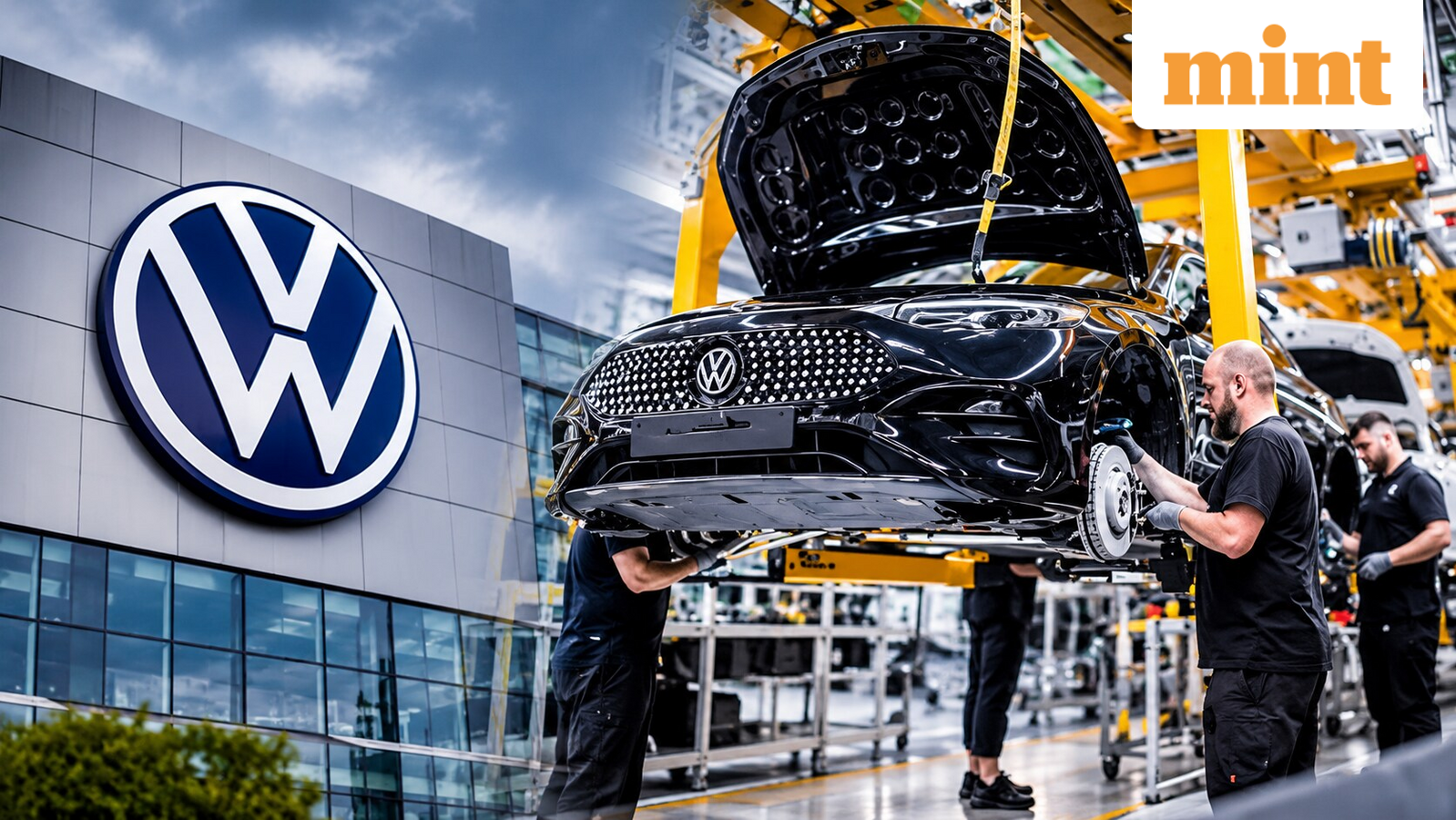
Six Japanese automakers confirmed plans to invest a combined more than THB 134 billion (about USD 4.1 billion) in Thailand between 2026 and 2030.
Tax policy change announced
Thai officials explained a new automotive excise tax structure setting a 35% rate for fully imported battery electric and extended-range electric vehicles without a production base in Thailand starting in 2027.
Automakers request tax flexibility
The automakers asked for a mid-tier tax rate and flexibility on local-content conditions for key parts.
Investment focus areas
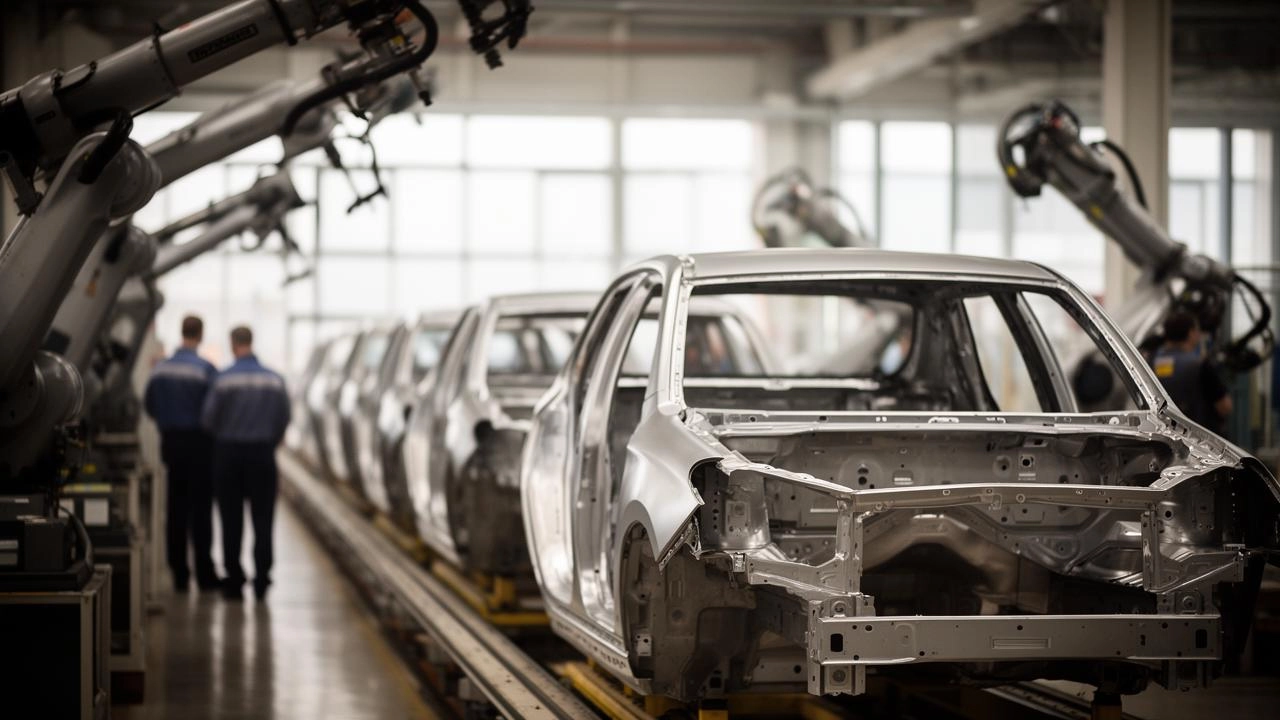
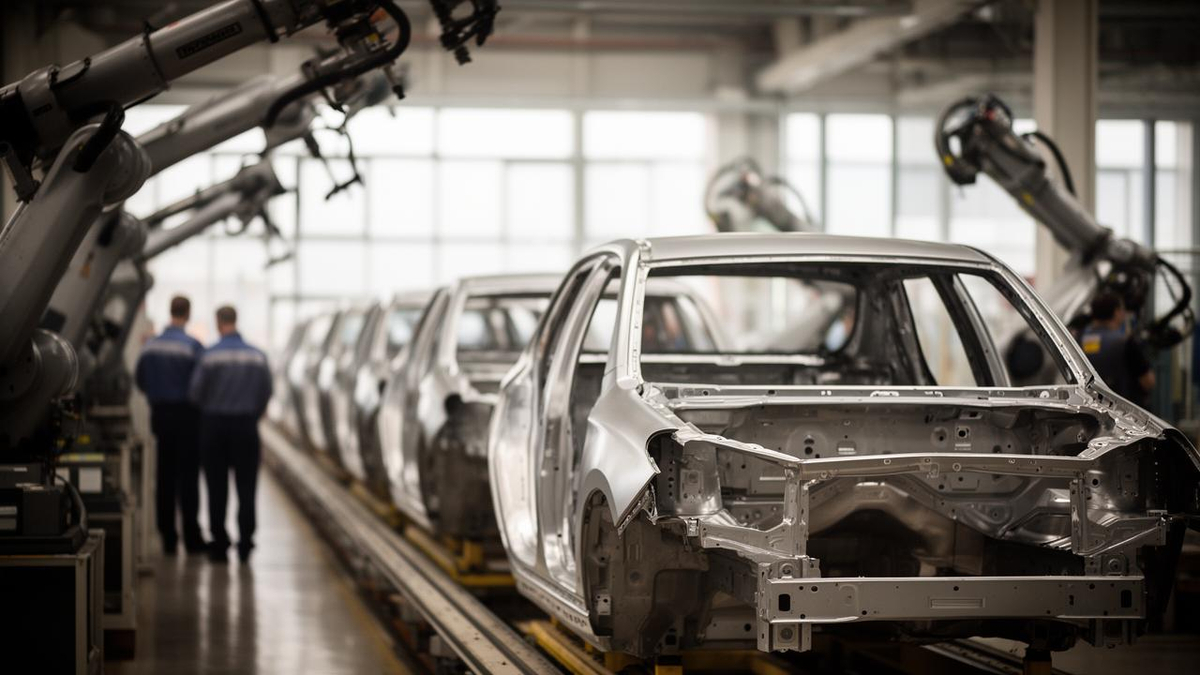
The plans aim to upgrade production bases for multi-pathway electrified vehicles, biofuel vehicles, automation and domestic parts production.
Toyota's investment strategy
Toyota is focused on building on its vehicle and pickup truck production base to support HEVs, BEVs and hydrogen fuel-cell electric vehicles.
Honda's development focus
Honda is emphasizing the development of new models in its Smart Hybrid lineup, combining hybrid technology with Smart Car technology.
Mitsubishi's vehicle plans
Mitsubishi is focused on developing xEVs, with an emphasis on hybrid and plug-in hybrid powertrains for pickup trucks and PPV multi-purpose vehicles.
Nissan's supply chain expansion
Nissan is expanding investment in the supply chain and in developing Thai personnel to upgrade production technology.
Isuzu's market strategy
Isuzu aims to maintain Thailand's role as a production and export hub for pickup trucks and commercial vehicles while developing BEV pickups, FCEV trucks and supporting B20 biodiesel.
Tax rate comparison
Imported vehicles currently pay an excise tax of 35%, while vehicles produced domestically pay only 2%.
Local content requirements
The automakers sought permission to import certain models to test the market and proposed flexibility on the timeline for complying with local-content requirements for key parts.
Market revival proposals
The Japanese side proposed reducing restrictions on production costs to boost export competitiveness and cut redundant steps in standards inspection and customs procedures.
The short version
Six Japanese automakers announced plans to invest over THB 134 billion in Thailand between 2026 and 2030 to upgrade production for electric vehicles and biofuels following a new 35% import tax on fully imported battery electric vehicles.
Read the TL;DR — this story on one card.