From BigGo Finance · BigGo Finance · · 2m
OpenAI Cuts Robotics Team as AI Models Take Over
OpenAI dissolves standalone robotics team after general-purpose AI models prove capable of direct robot control.
In brief
OpenAI dissolves standalone robotics team after general-purpose AI models prove capable of direct robot control. OpenAI merged its robotics research into core AI divisions as general-purpose models like GPT-6 Astra demonstrated direct robot control capabilities. Originally reported by BigGo Finance.
OpenAI dissolves robotics team
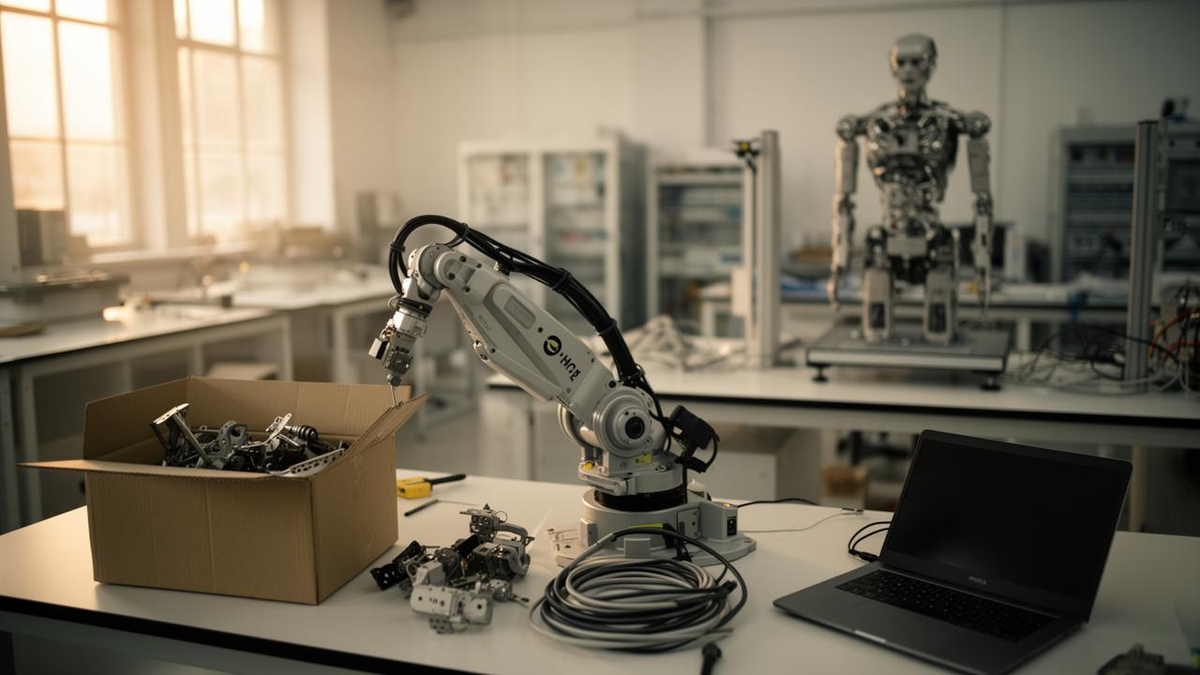
OpenAI confirmed it dissolved its standalone robotics research team on November 13, merging staff into core research and applications divisions.
Recruitment shift in two months
Just two months before the dissolution, OpenAI was recruiting robotics talent at salaries up to $500,000.
Robotics team restructuring
The former robotics researchers moved to the core research division led by Chief Research Officer Mark Chen, while applications staff joined Greg Brockman's division.
Robotics remains strategic priority
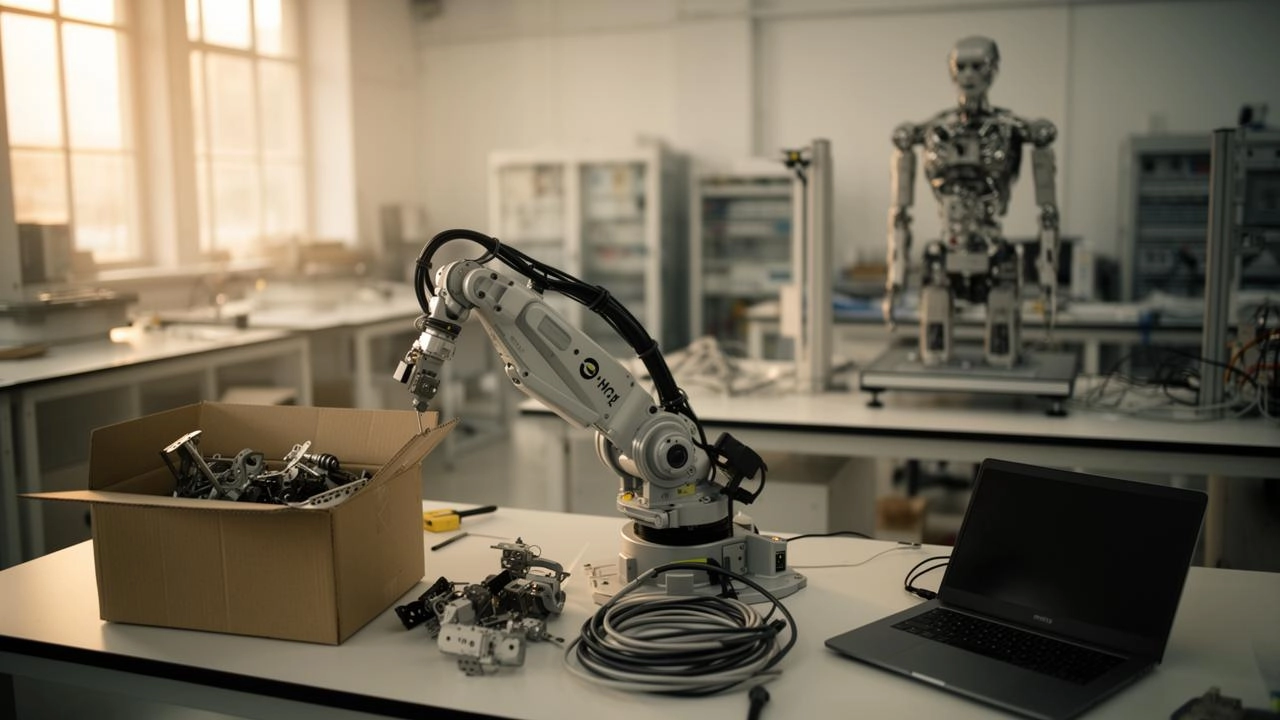
OpenAI stated robotics remains an important part of its long-term technology vision and the restructuring aims to accelerate R&D.
Previous robotics efforts
OpenAI previously demonstrated the Dactyl robotic hand solving a Rubik's cube in 2019 and ended standalone robotics research in 2020.
GPT-6 Astra's control capability
OpenAI's technical explanation: general-purpose models like GPT-6 Astra can directly control robots, so robotics research was absorbed into the general foundation-model system.
Nvidia's test results
Nvidia's GPT-6 Astra direct-control approach achieved a 66.3% task success rate in RoboLab-120 simulation tests.
Anthropic's test results
Anthropic's Claude Fable 5.2 achieved a 64.9% success rate in RoboDojo Sim dual-arm robot tests.
Unitree Robotics integration
Unitree Robotics connected GPT-6 to robots for tasks like painting, without specialized training or complex motion programs.
UBTech's coordinated approach
UBTech used GPT-6 Astra with dedicated models to complete tasks like stacking bowls, reducing token consumption by 83.6%.
Google DeepMind's results
Google DeepMind's Gemini Robotics 2.5 achieved a 96% success rate in parts-sorting tests at Mercedes-Benz plants.
Nvidia's GR00T 2 performance
Nvidia's GR00T 2 achieved a 95% success rate after fine-tuning for 50 new tasks with minimal data.
Industry shift in robotics
The industry is shifting toward general models handling task understanding while dedicated models manage precision operations.
Latency and cost challenges
Inference latency for GPT-6 Astra direct-control approaches averages 18.56 seconds per task, with high API costs.
In short
OpenAI merged its robotics research into core AI divisions as general-purpose models like GPT-6 Astra demonstrated direct robot control capabilities.