From BigGo Finance · BigGo Finance · · 2m
POSCO's Triple Core Strategy Unfolds with LNG and Lithium Expansion
POSCO integrates 1.33 million ㎘ LNG storage and 43,000 tons lithium production in South Korea's Triple Core strategy.
In brief
POSCO integrates 1.33 million ㎘ LNG storage and 43,000 tons lithium production in South Korea's Triple Core strategy. POSCO's Gwangyang terminal now stores 1.33 million ㎘ LNG and processes 43,000 tons lithium annually as part of its Triple Core strategy for energy, strategic resources and industrial materials…
Gwangyang Terminal Expansion
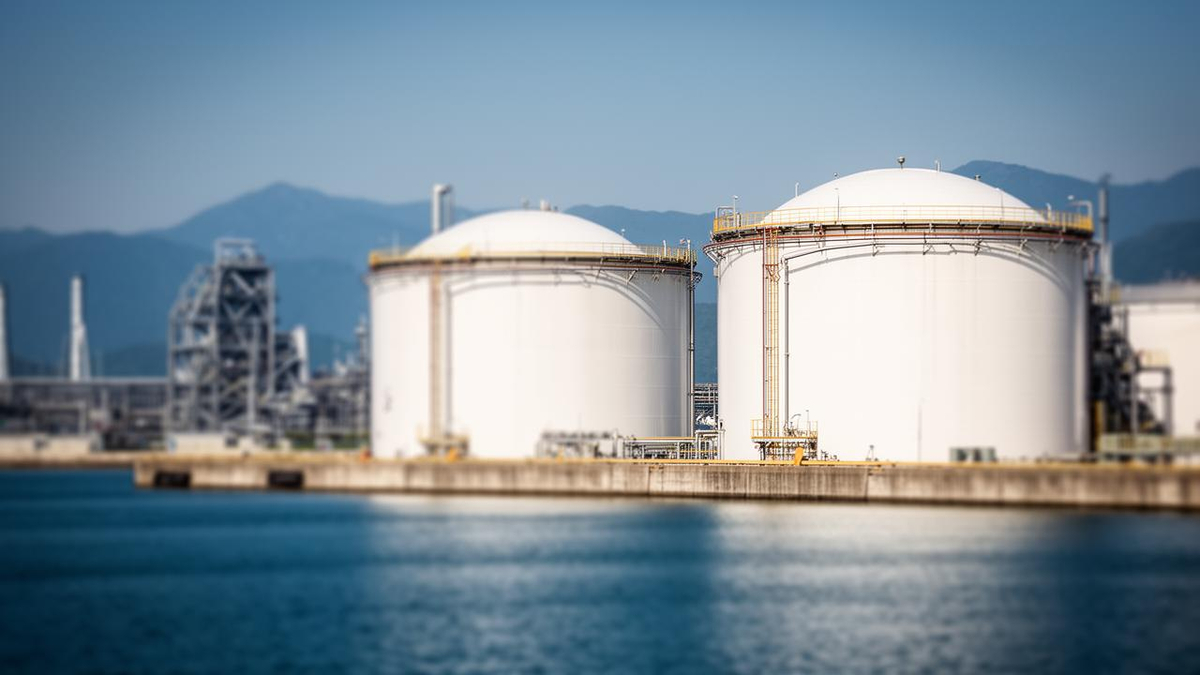
POSCO International completed its second Gwangyang LNG terminal on Nov 10, expanding storage capacity from 930,000 ㎘ to 1.33 million ㎘, a 43% increase.
“With this terminal's completion, we will raise the completeness of the LNG value chain and contribute to South Korea's national energy security.”
Triple Core Strategy
POSCO Group's Triple Core strategy focuses on energy, strategic resources and industrial materials through integrated facilities in Gwangyang.
Lithium Production Capacity
POSCO processes 43,000 tons of lithium concentrate annually into battery-grade lithium hydroxide for 1 million electric vehicles.
Battery Material Recycling
POSCO HY Clean Metal recovers metals from spent batteries, producing 2,500 tons lithium carbonate and 12,000 tons nickel sulfate annually.
Electric Arc Furnace Status
The Gwangyang electric arc furnace operates at 10% capacity due to weak low-carbon steel demand, with production costs higher than blast furnaces.
“Because low-carbon steel demand has not recovered, the electric arc furnace's production cost is higher than the blast furnace's”
Energy Segment Growth
60% of POSCO International's third-quarter profit came from energy businesses including gas fields and power generation.
Lithium Production Target
POSCO aims to build a 173,000-ton-per-year lithium production system by 2033 through Argentina brine lithium and ore lithium.
Battery Materials Profitability
POSCO Future M recorded a loss of 18 billion won in Q3 due to falling lithium prices and seasonal factors.
Strategic Resource Chain
POSCO targets 6,000 tons per year of rare earths by 2028 through mining, separation and refining to permanent magnets.
Overseas Steel Expansion
POSCO plans to raise overseas crude steel capacity from 2.5 million tons to 10 million tons by 2031 through partnerships in India and the US.
Profitability Challenges
POSCO's battery materials business faces profitability issues despite recording first profit in Q2 due to falling lithium prices.
Triple Core Strategy Timeline
POSCO's Triple Core strategy aims to broaden steel-centered structure into resources and energy by 2030 through Gwangyang facilities.
What it means
POSCO's Gwangyang terminal now stores 1.33 million ㎘ LNG and processes 43,000 tons lithium annually as part of its Triple Core strategy for energy, strategic resources and industrial materials.
Read the TL;DR — this story on one card.