From BigGo Finance · BigGo Finance · · 1m 20s
Taiwan 28GHz Spectrum Shift Debate
Chunghwa Telecom pushes 5G migration to 26GHz, Far EasTone seeks spectrum sharing for satellite services.
In brief
Chunghwa Telecom pushes 5G migration to 26GHz, Far EasTone seeks spectrum sharing for satellite services. Taiwan's regulator must balance 5G millimeter wave migration with satellite spectrum sharing to avoid interference. Originally reported by BigGo Finance.
Spectrum Contention
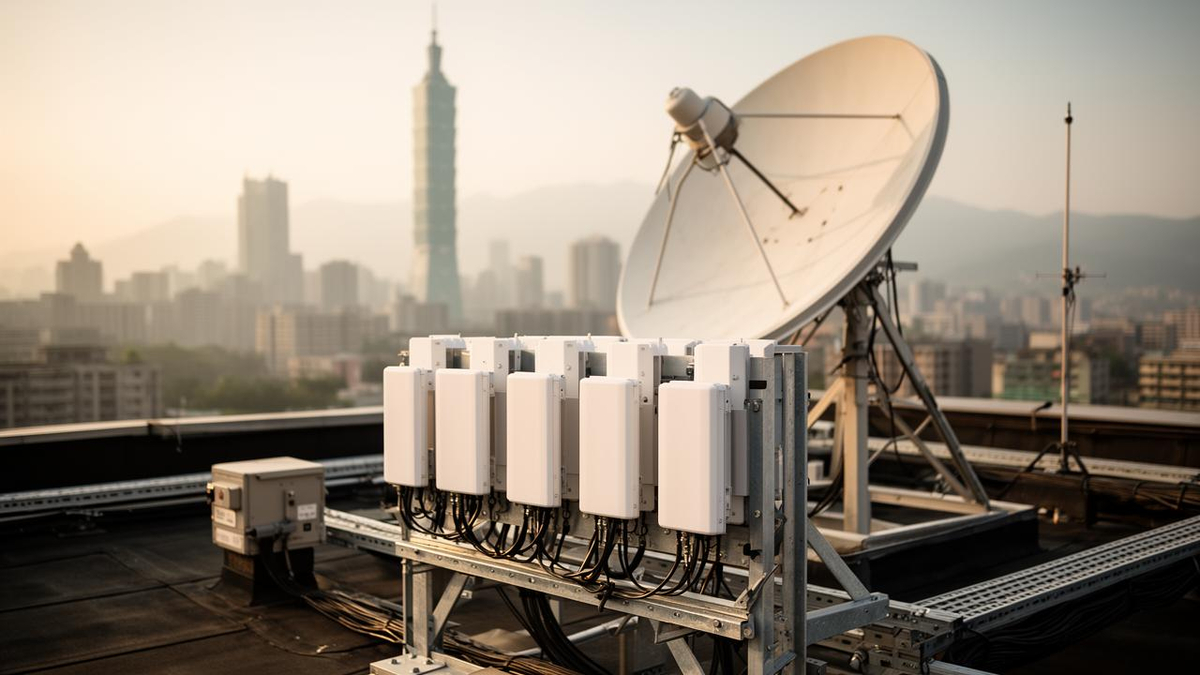
Taiwan's 28GHz band faces competition between telecom and satellite industries for use.
Chunghwa Telecom's Proposal
Chunghwa Telecom chairman Chien Chih-cheng urges regulator to migrate 5G millimeter wave to 26GHz and expand 28GHz for satellite communications.
Far EasTone's Response
Far EasTone president Chee Ching supports negotiating spectrum sharing while protecting incumbent operators' rights.
28GHz Band Details
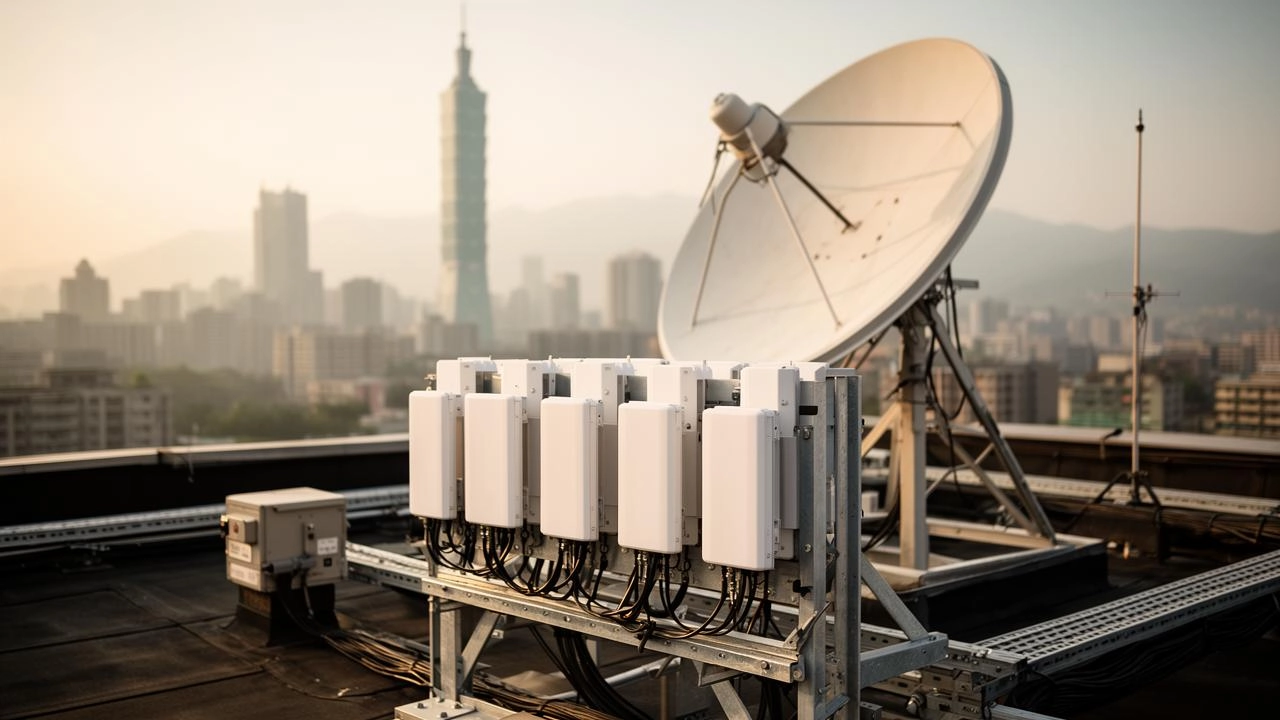
Taiwan's 28GHz band (27.9 to 29.5ghz) was allocated for 5g but has limited commercial use.
Ka-band Golden Lane
The international ka-band (27.5 to 30ghz) is the 'golden dedicated lane' for low-earth-orbit satellite communications.
Chunghwa's Migration Plan
Chunghwa recommends gradually shifting 5g millimeter wave to 26ghz to free up 28ghz for satellite services.
Far EasTone's Partnership
Far EasTone plans to partner with Amazon's Kuiper for satellite services launching in taiwan by 2027.
Alliance Initiatives
The alliance proposes satellite spectrum review, end-to-end testing, and direct-to-cell satellite services.
Spectrum Sharing Impact
Spectrum allocation affects investment paths: migration costs versus negotiated sharing timelines.
6G and Satellite Development
Chunghwa aims to leverage taiwan's semiconductor strengths for satellite terminal and ground equipment development.
In short
Taiwan's regulator must balance 5G millimeter wave migration with satellite spectrum sharing to avoid interference.
Read the TL;DR — this story on one card.