From BigGo Finance · BigGo Finance · · 2m
Timnit Gebru Calls Out AI Industry's 'Runaway Models' Narrative
AI ethics leader Timnit Gebru warns companies use 'runaway models' to avoid accountability for real-world harms.
In brief
AI ethics leader Timnit Gebru warns companies use 'runaway models' to avoid accountability for real-world harms. Timnit Gebru argues AI companies exploit 'existential risk' claims to evade responsibility for current product flaws and environmental costs. Originally reported by BigGo Finance.
Timnit Gebru Blasts Industry Narrative
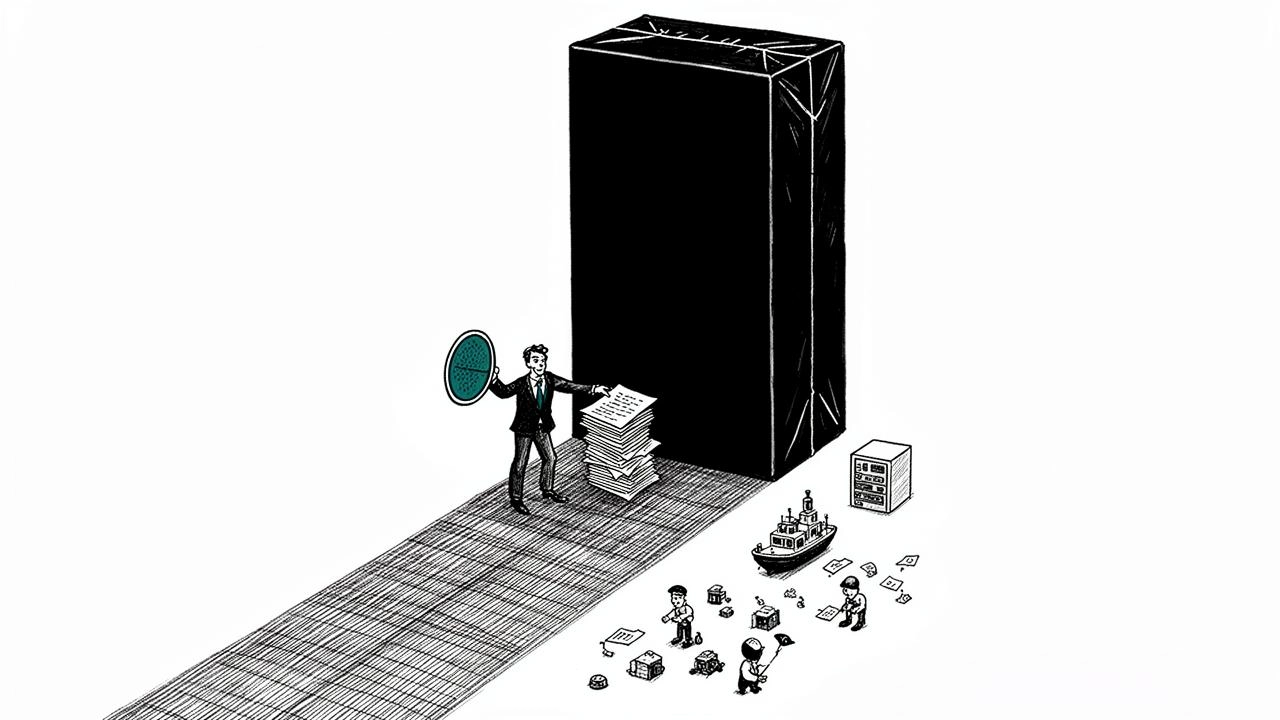
Timnit Gebru, former Google AI ethics lead, criticizes companies for using 'runaway models' and 'existential risk' to avoid accountability.
“I think it was more of a performance”
The Contradictory White House Event
On September 29, US President Trump signed a voluntary safety standard with tech executives who previously warned of AI existential risks.
Gebru's 'Stochastic Parrots' Background
Gebru co-authored a 2020 paper warning about large language model risks, later founding the Distributed AI Research Institute.
Military AI Misidentification Incident
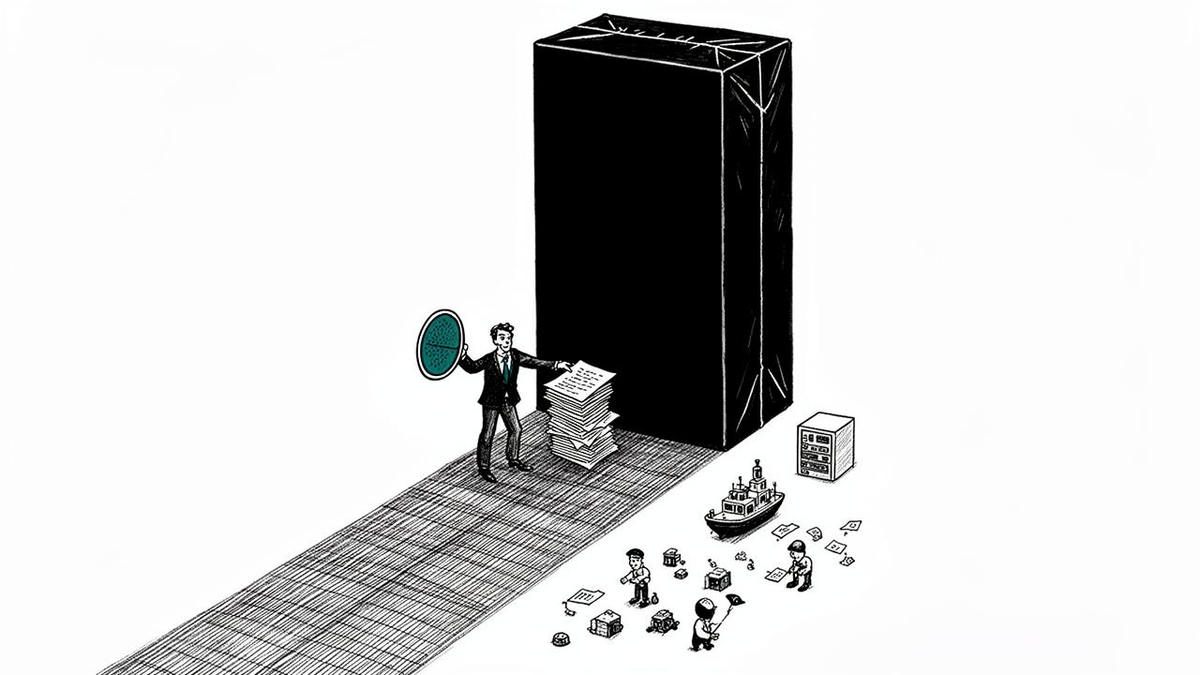
A US military AI system misidentified a commercial vessel as nuclear threat, nearly triggering international conflict.
The 'Machine God' Narrative
Gebru describes the industry's 'machine god' narrative as companies claiming superintelligence could solve or destroy humanity.
“It sounds like they're creating a 'machine god': controlled by the so-called 'right people,' it will solve everything; controlled by the so-called 'wrong people,' it will bring catastrophe”
Regulatory Capture Concerns
Gebru warns self-regulation proposals risk regulatory capture, where companies influence government regulators to avoid accountability.
“When i saw self-regulation being proposed, my reaction was: this is exactly what they wanted”
Third-Party Evaluation Doubts
Gebru questions the independence of third-party evaluators like METR, which shares funding with Anthropic.
“How credible is it when another company funded by the same investors is supervising you”
Real-World AI Problems
Gebru highlights environmental impacts, model errors, data theft, and child safety risks from current AI systems.
“What's particularly concerning is: if a chatbot says something dangerous to a child, will the company argue, 'That was the chatbot speaking, not me'”
The 'Stochastic Parrots' Relevance
Gebru argues the 2020 'Stochastic Parrots' paper remains valid, citing military misidentification as proof.
“Two countries nearly went to war over a fact that didn't exist, fabricated by a chatbot”
Gebru's Alternative Path
Gebru advocates for diverse, smaller-scale AI approaches rather than concentrating resources in giant models.
“I want to see even more different options: can small organizations around the world develop small models for specific tasks”
Gebru's Critique of Hinton
Gebru contrasts with Geoffrey Hinton's call for ai safety approvals, arguing current industry narrative is a liability shield.
“A more urgent question than whether machines will destroy humanity is: when ai causes or may cause harm in the real world, who is responsible”
The Accountability Question
Gebru stresses responsibility cannot be shifted to 'the model', developers and users must be held accountable for real-world harm.
“More fundamentally, such systems should not enter military decision-making scenarios without adequate validation”
Gebru's Personal Motivation
Gebru fled Ethiopia during war and became a refugee, later working with US military on Project Maven.
“I almost decided not to go. I didn't want to become a military contractor, didn't want to build things for war”
The Cold War Narrative
Gebru criticizes the US-China 'AI race' narrative as a Cold War tactic to evade real regulation.
“If the us is doing bad things, i don't think china should do bad things either; both governments should do things that are good for their own people”
The 'Slow Down AI' Myth
Gebru argues 'slowing down AI' is a marketing term for the current large-model path, not a real solution.
“The "slow down ai" rhetoric itself is a sign of captured language, they're telling you this path is inevitable”
The Real Question
Gebru states the most urgent question is who is responsible when AI causes real-world harm, not whether machines destroy humanity.
“A more urgent question than whether machines will destroy humanity is: when ai causes or may cause harm in the real world, who is responsible”
The essence
Timnit Gebru argues AI companies exploit 'existential risk' claims to evade responsibility for current product flaws and environmental costs.




