From Bon Appétit · Esther Tseng · · 2m
Why alcohol-free cocktails cost the same
Craft bartenders spend just as much time, labor, and money making nonalcoholic drinks as they do spirited ones.
In brief
Craft bartenders spend just as much time, labor, and money making nonalcoholic drinks as they do spirited ones. Nonalcoholic cocktails cost nearly as much as alcoholic ones because they require more ingredients, more labor, and expensive flavor alternatives to replace what alcohol naturally provides. Originally…
The outdated alcohol premium
People expect nonalcoholic cocktails to cost less because alcohol was once forbidden and expensive. That logic no longer applies to modern craft bars.
Craft NA drinks aren't simple
Nonalcoholic cocktails at craft bars are sophisticated creations developed for refined palates, not just juice and soda water.
“We wouldn't serve the nonalcoholic drinks we make to a kid; they're developed for a sophisticated palate.”
No playbook for NA drinks
Traditional cocktails have time-tested recipes, but nonalcoholic versions are a new category requiring bartenders to invent from scratch.
Alcohol does heavy lifting
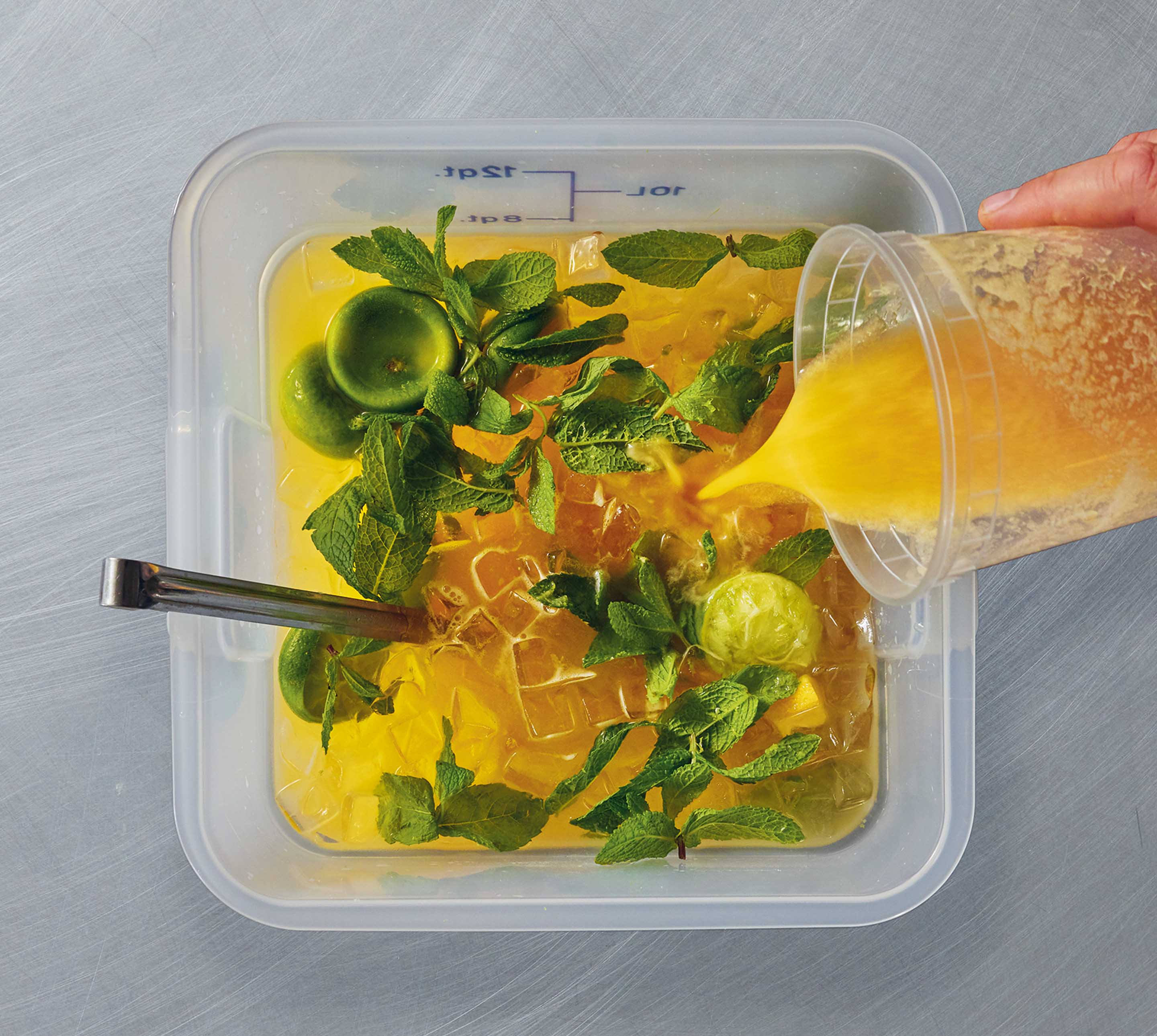
Alcohol naturally carries flavor and adds viscosity. Without it, bartenders must use double or triple the raw ingredients to achieve the same taste and texture.
“When you're extracting flavor with water, and you don't have alcohol, you have to use double or triple the amount of raw ingredients to get that flavor across.”
Labor intensive processes
A nonalcoholic milk punch might take two days of sous vide cooking, clarifying, and foaming. A Negroni takes minutes.
“We have an NA milk punch that takes a long time. We sous vide the spices, clarify it, and top it off with pandan foam. That takes us two days.”
Premium ingredients add up
Specialty tea from Japan, nonalcoholic vermouth, and nonalcoholic spirit alternatives cost as much as their alcoholic counterparts, shrinking profit margins.
Zero-proof spirits aren't cheap
Bottles of Seedlip, Optimist Botanicals, and The Pathfinder Spirit cost thirty to forty dollars, matching mid-tier whiskey and gin prices.
Spirit swaps don't work
Zero-proof spirits taste different and are weaker in flavor than alcoholic ones, so bartenders can't simply substitute them one-to-one in recipes.
“If every cocktail has a de-alcoholized spirit or spirit replacement, then that's probably a bad sign.”
Functional alternatives cost more
Adaptogenic drinks with mushrooms, ashwagandha, and CBD, plus kava-infused spirits, cost as much or more than high-end whiskey.
Bars aren't trying to cheat you
Restaurants and bars have the same fixed costs regardless of what you order: rent, payroll, utilities, licensing, and maintenance.
“Nine times out of 10, a bar or restaurant is not trying to rip anyone off, they're just trying to make enough money to pay their staff.”
Bars are community spaces
Bars serve as gathering places for people to connect, not just venues to consume drinks. Pricing reflects the full value of that experience.
“Bars and restaurants are gathering spaces. They're not just places to drink.”
The headline
Nonalcoholic cocktails cost nearly as much as alcoholic ones because they require more ingredients, more labor, and expensive flavor alternatives to replace what alcohol naturally provides.
%20copy.jpg)
.jpeg)