From Business Insider · Eugene Kim · · 1m 40s
Amazon's plan to beat Walmart at everyday shopping
Project Mercury aims to build 1,000+ same-day delivery centers by 2031, bringing inventory within 10 miles of most Americans.
In brief
Project Mercury aims to build 1,000+ same-day delivery centers by 2031, bringing inventory within 10 miles of most Americans. Amazon is building over 1,000 same-day fulfillment centers to compete with Walmart's physical proximity advantage in groceries and everyday essentials. Originally reported by Business Insider.
Amazon's massive delivery expansion
Project Mercury plans to grow Amazon's same-day fulfillment network from 85 facilities today to over 1,000 by 2031. The multi-billion dollar initiative targets Walmart's dominance in everyday shopping.
Getting dramatically closer to customers
Amazon will place fulfillment centers within 10 miles of 80% of Prime subscribers by 2031. Currently, these facilities sit about 90 minutes away from customers.
“The project fundamentally redesigns this network around shorter distances.”
Challenging Walmart's biggest advantage
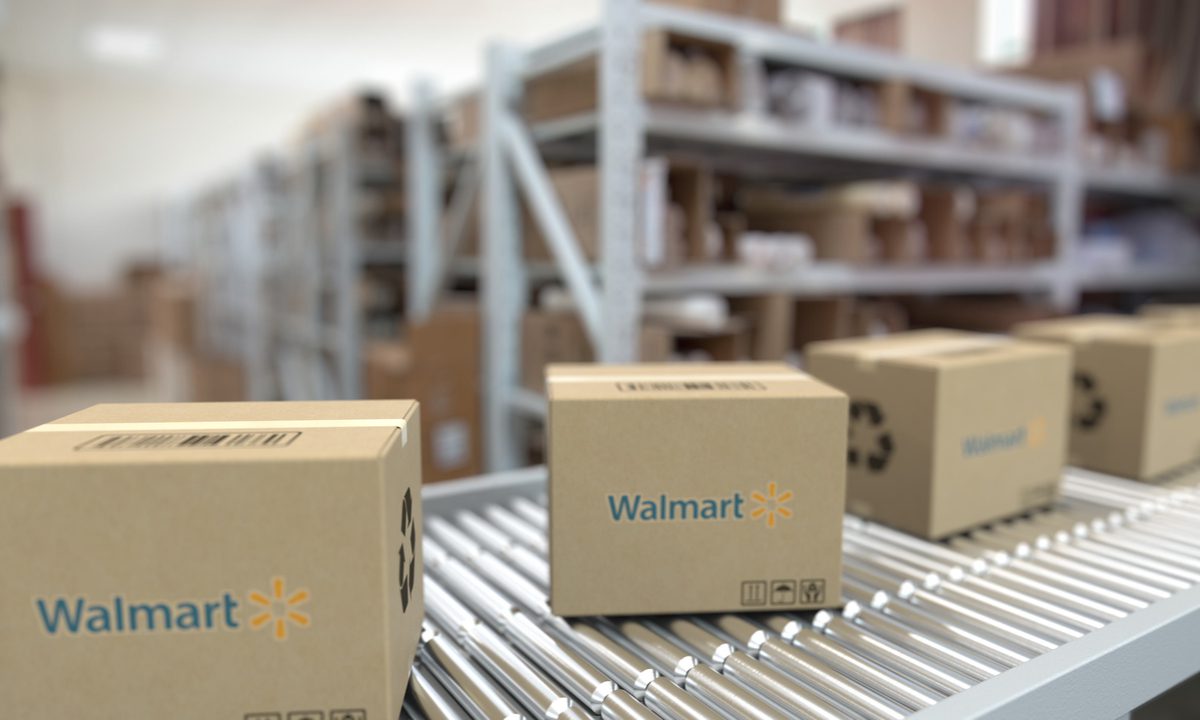
Walmart has 90% of Americans living within 10 miles of a store, with 95% of households able to get three-hour delivery. Amazon needs physical proximity to compete for groceries and essentials.
The Orbital system speeds things up
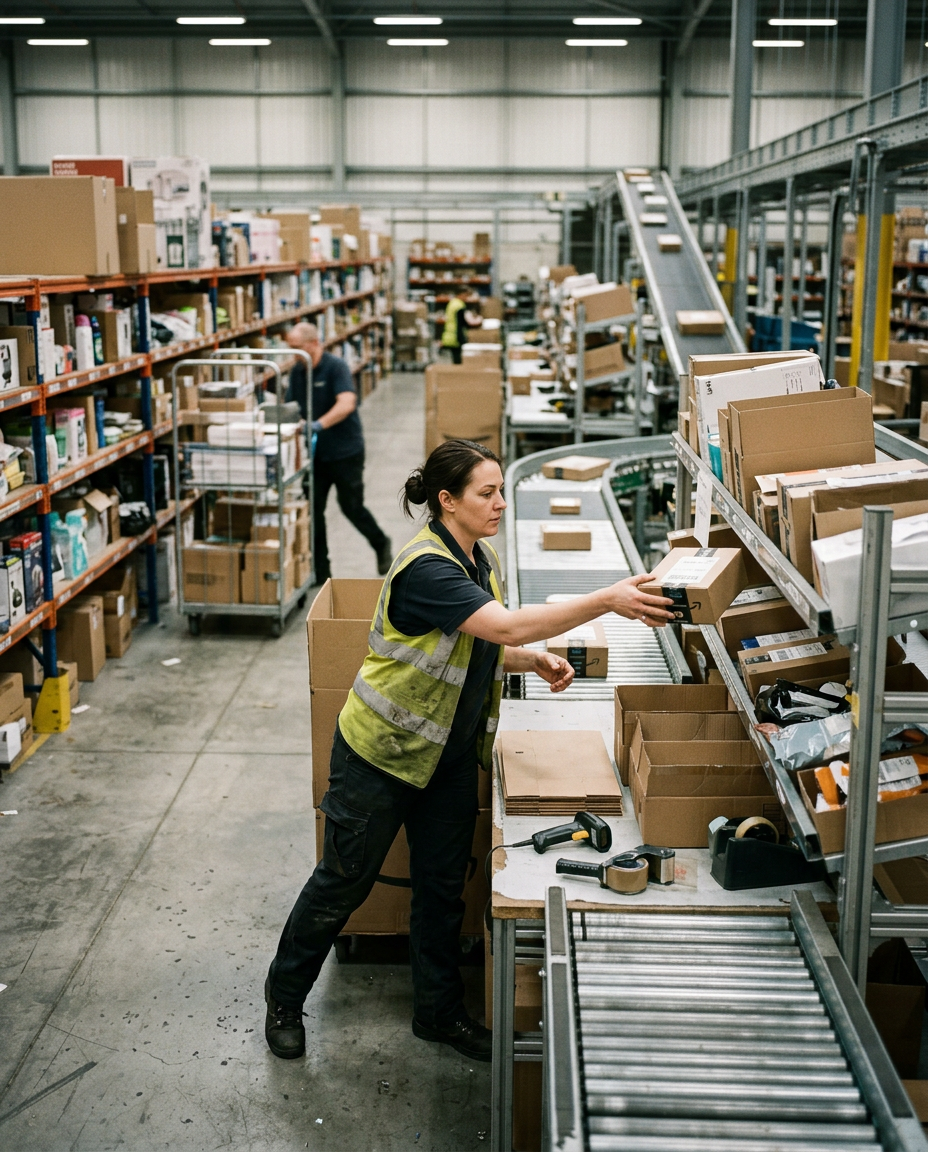
Amazon plans to use smaller 100,000-square-foot Orbital facilities that process 75,000 units daily. Each costs about $48.4 million to build, helping accelerate the expansion.
Same-day centers will dominate volume
Internal projections show these facilities handling 28% of Amazon-fulfilled orders by 2029 and 50% by 2035. Most packages will arrive within a five-hour window.
The economics of Project Mercury
Amazon budgeted $6.8 billion for US capacity in 2026-2027. The company estimates $7.1 billion in economic value over 10 years, turning cash-flow positive by 2030.
Faster delivery makes people buy more
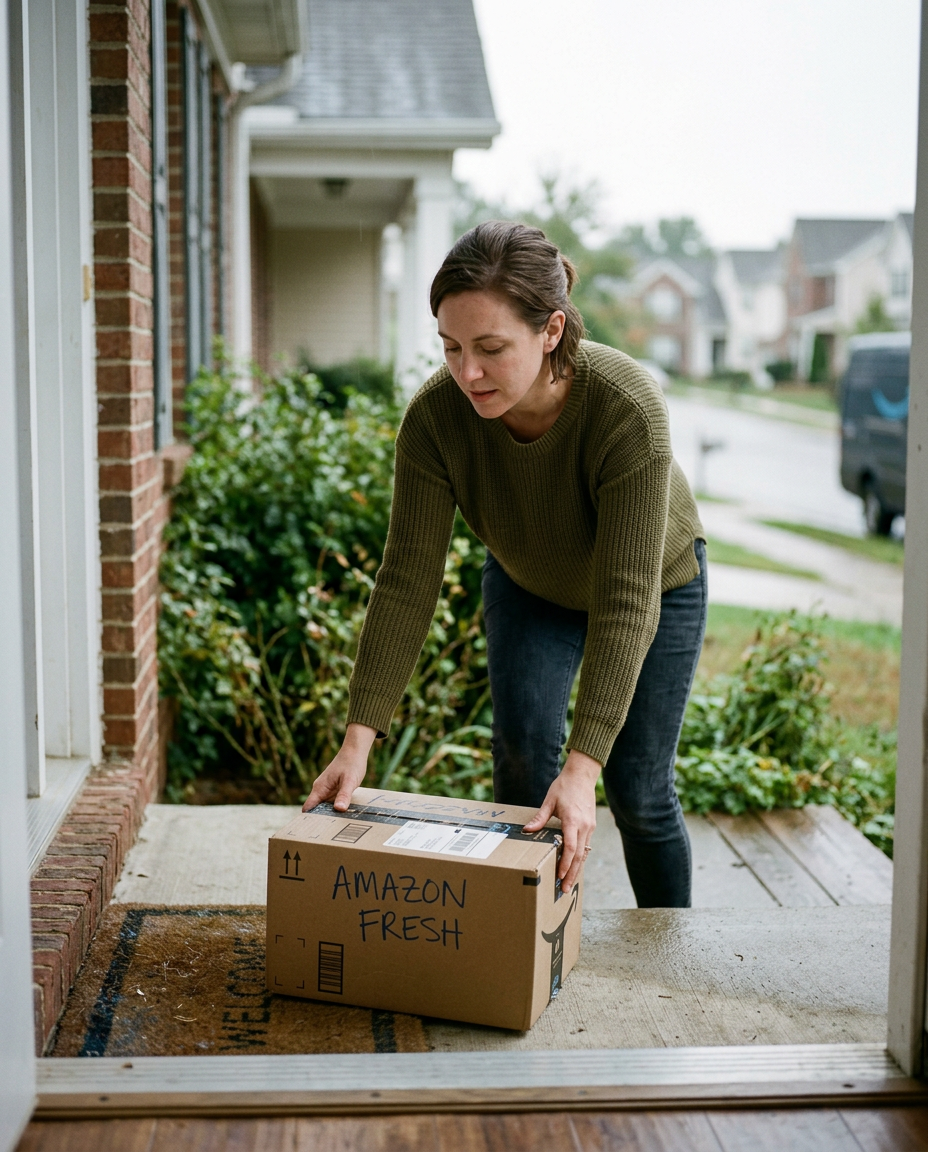
Amazon believes speed increases purchase probability and brings customers back sooner. The $150 billion grocery business depends on competing with local stores on convenience.
“When we speed up the service, the probability that somebody buys a product from us goes up.”
The headline
Amazon is building over 1,000 same-day fulfillment centers to compete with Walmart's physical proximity advantage in groceries and everyday essentials.