From BuzzFeed · · 1m 40s
Non-Drinkers Notice Drunk People's Behavior
Sober people share how alcohol changes behavior: repetition, emotional outbursts, and social withdrawal.
In brief
Sober people share how alcohol changes behavior: repetition, emotional outbursts, and social withdrawal. Sober individuals observe drinkers becoming repetitive, emotional, and socially isolated after consuming alcohol. Originally reported by BuzzFeed.
Sober Observations
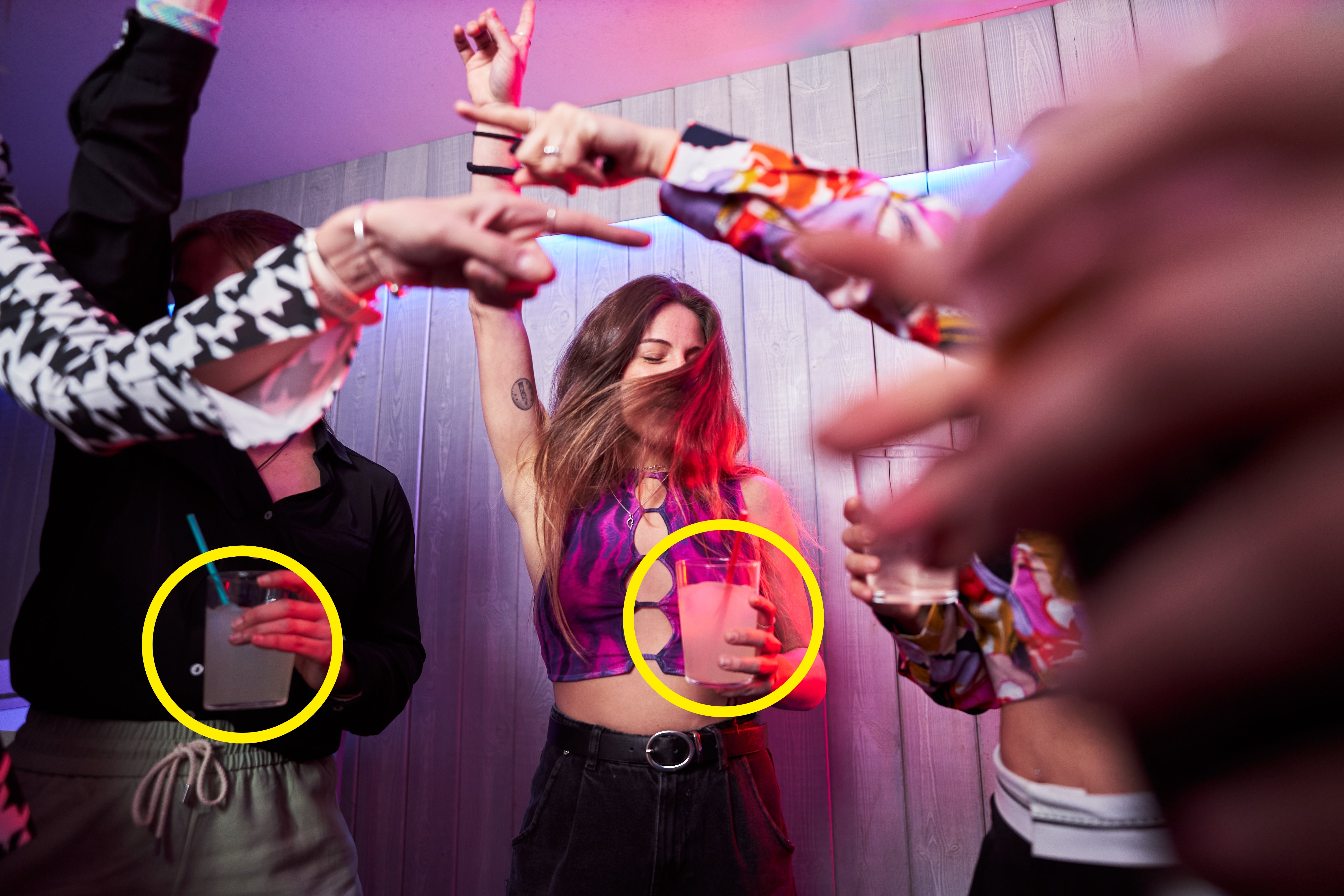
Sober Redditors share specific behaviors they notice in drinkers after consuming alcohol.
“They don't realize how drunk and annoying they are, especially as they get older.”
Behavioral Changes
Drunk people become repetitive, emotional, and forgetful, repeating stories without understanding.
“They tell the same story over and over again, forgetting that they've already told it.”
Social Impact
Drinking affects social interactions, with drinkers becoming defensive and justifying their consumption.
“People who drink around intentionally sober folks always get defensive and try to downplay how much they drink.”
Deep Conversations

Drunk individuals share personal stories, revealing emotional connections to alcohol.
“People tell you EVERYTHING. I've had people I've just met at parties tell me their deepest darkest secrets.”
Self-Perception
Drunk people apologize for their behavior and explain their drinking habits to sober individuals.
“They apologize for drinking around me, and how much they explain their own drinking.”
Social Lubricant
Alcohol acts as a social lubricant, helping people connect post-college but causing mental strain without it.
“It takes so much effort to maintain friendships and contact with others, and without that social lubricant, it's so much more mentally draining.”
Memory Issues
Drunk people struggle with memory, forgetting stories and becoming repetitive in conversation.
“They start stories but then get distracted and never tell the whole story.”
Emotional Shifts
Drinking amplifies emotions, making people more emotional and less able to control their behavior.
“Alcohol seems like an amplifier. If they're happy and cheery, then it seems to deepen their ability to experience it.”
Social Isolation
Drinking leads to social isolation, with drinkers focusing on alcohol and neglecting other relationships.
“Their lives tend to revolve around drinking. For example, they'll only participate in activities and eat in places where alcohol is available.”
Behavioral Patterns
Drunk people become more repetitive, emotional, and argumentative in their communication.
“Without fail, they become dumber and more childish with each drink.”
Health Effects
Drinking causes physical and mental health issues, including fatigue and emotional instability.
“I'm 18 months sober today (yay), but on top of all the other stuff that’s been mentioned about behavior, I notice their skin. Heavy drinkers obviously have more happening, but even in casual drinkers, it's there as well.”
Social Withdrawal
Drunk people withdraw from social interactions, becoming quiet or overly emotional.
“They always seem to have a story about when things went too far. Generally, the story involves things like passing out somewhere unusual or nudity.”
Alcohol's Role
Alcohol serves as a social lubricant but causes mental strain and social isolation without it.
“Alcohol seems like an amplifier. If they're happy and cheery, then it seems to deepen their ability to experience it.”
Consequence
Sober individuals notice drinkers becoming repetitive, emotional, and socially isolated after consuming alcohol.
The bottom line
Sober individuals observe drinkers becoming repetitive, emotional, and socially isolated after consuming alcohol.





