From CBR · Areeba Khan · · 1m 30s
10 2000s Anime Series With No Bad Episodes, Ranked
10 anime series from the 2000s that never had a bad episode, ranked by quality.
In brief
10 anime series from the 2000s that never had a bad episode, ranked by quality. Ten 2000s anime series with no bad episodes are ranked by their consistent storytelling and character development. Originally reported by CBR.
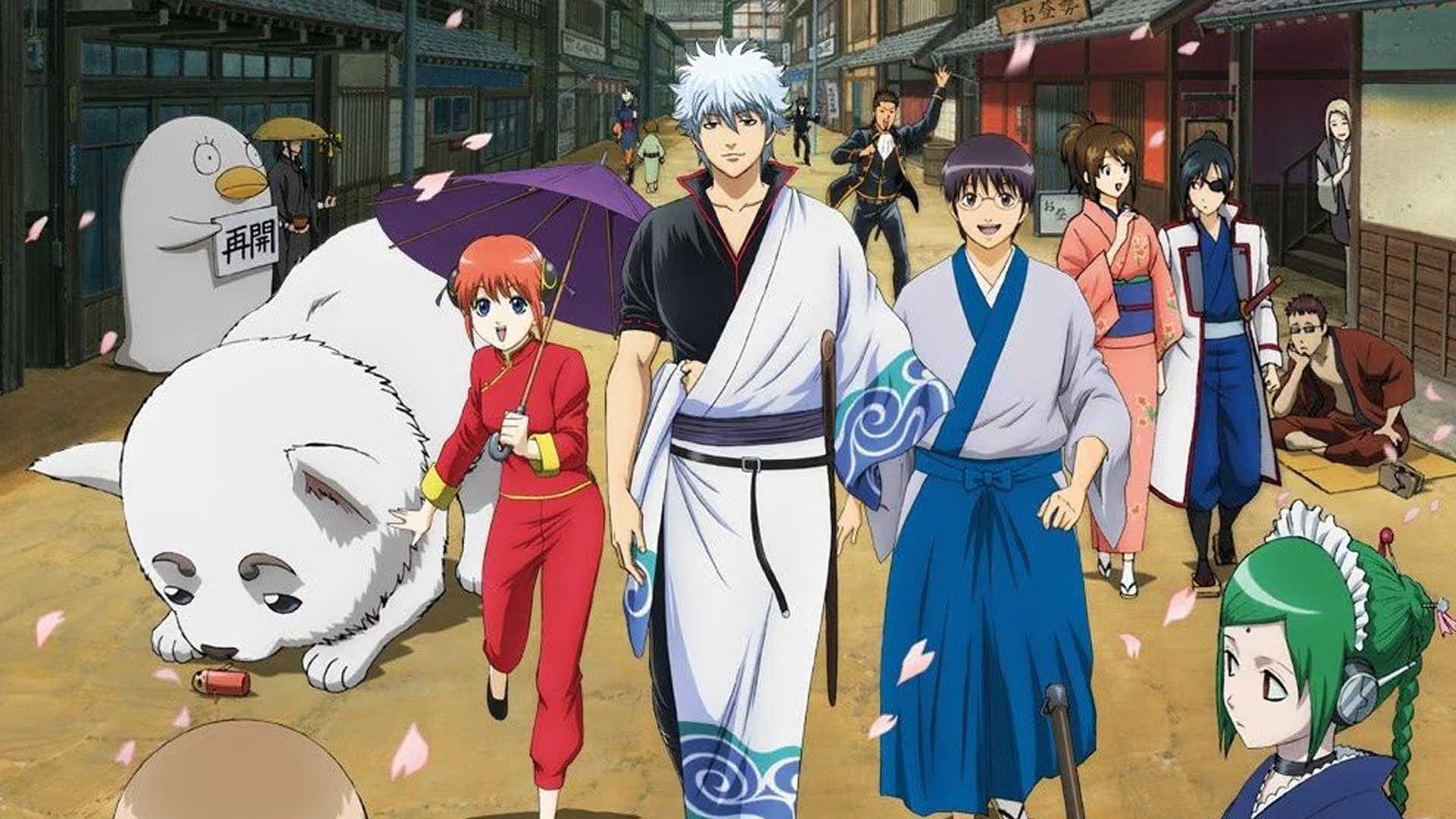
Gintama's Comedy Engine

Gintama uses comedic episodes as emotional deposits to build character depth and narrative continuity.
“The gags about Gintoki's sweet tooth, Jump deadlines, Kagura's appetite and Sadaharu's chaos make viewers care about the Yorozuya trio before the drama even begins.”
Haruhi Suzumiya's Time Loop
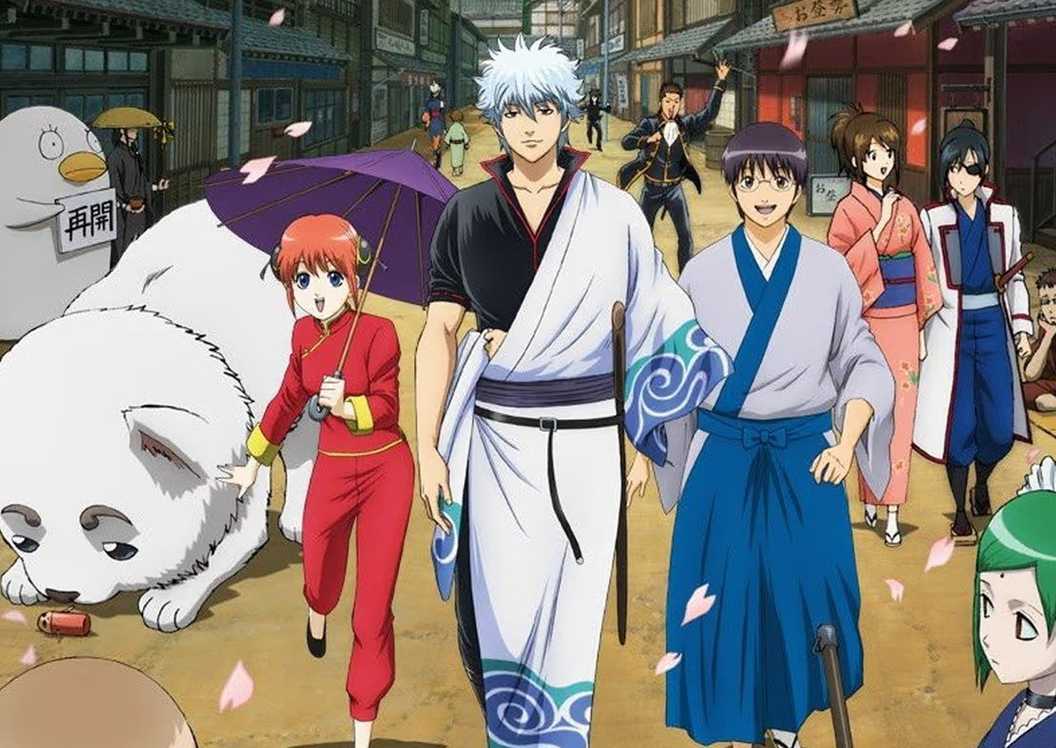
Haruhi Suzumiya aired its first season out of chronological order to create narrative tension and viewer engagement.
“Viewers first meet the SOS Brigade with confusion before learning the logic behind the story, and the gamble signals confidence rather than gimmickry.”
Code Geass' Strategic Depth
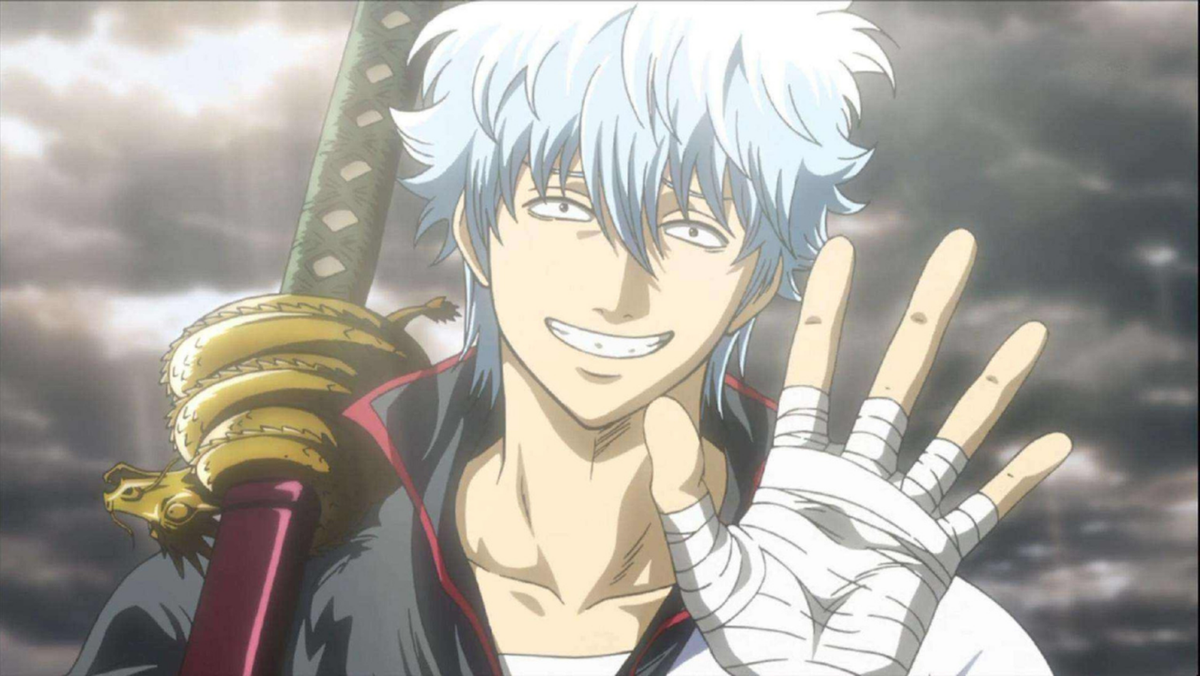
Code Geass ties every victory to Lelouch's weaknesses, ensuring each decision has lasting consequences.
“The way the series uses victories to create new problems for Lelouch and the larger rebellion ensures the central political conflict retains its edge.”
Death Note's Rule-Based Gameplay
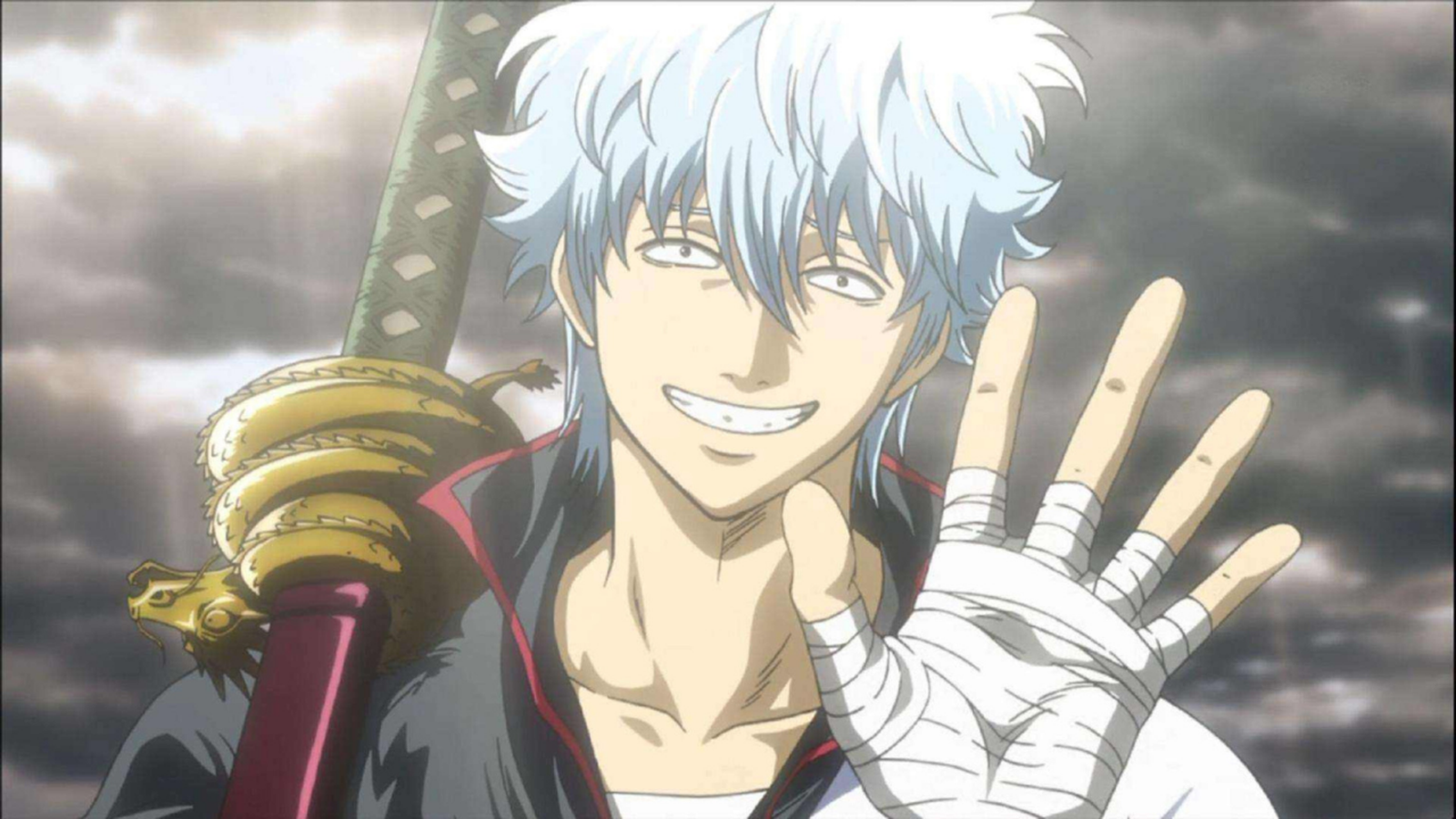
Death Note links every twist to established rules, allowing Light and L to outwit each other through proper loopholes.
“Tetsuro Araki’s direction translates thoughts into actions rapidly through inner monologues, as seen in the famous potato chip episode where a whole murder plan works out over a snack.”
Samurai Champloo's Genre Blend
Samurai Champloo combines Edo aesthetics with hip-hop attitude for a cohesive cross-genre narrative.
“Watanabe created a cross-genre mixtape of Edo aesthetics and hip-hop attitude. He then tied it all with modern sensibilities with an adventure that has no equal in anime”
Tengen Toppa Gurren Lagann's Emotional Arc

Tengen Toppa Gurren Lagann escalates character development through emotional growth after Kamina's death.
“The timeskip after Kamina's death reframes the show from adolescent rebellion to adult responsibility.”
Baccano!'s Non-Chronological Puzzle

Baccano! unravels the mystery of the Flying Pussyfoot family through a non-chronological narrative structure.
“The first episode of this series unravels the mystery of the Flying Pussyfoot, Gandor family and Martillo family.”
Fullmetal Alchemist Brotherhood' Perfect Plot
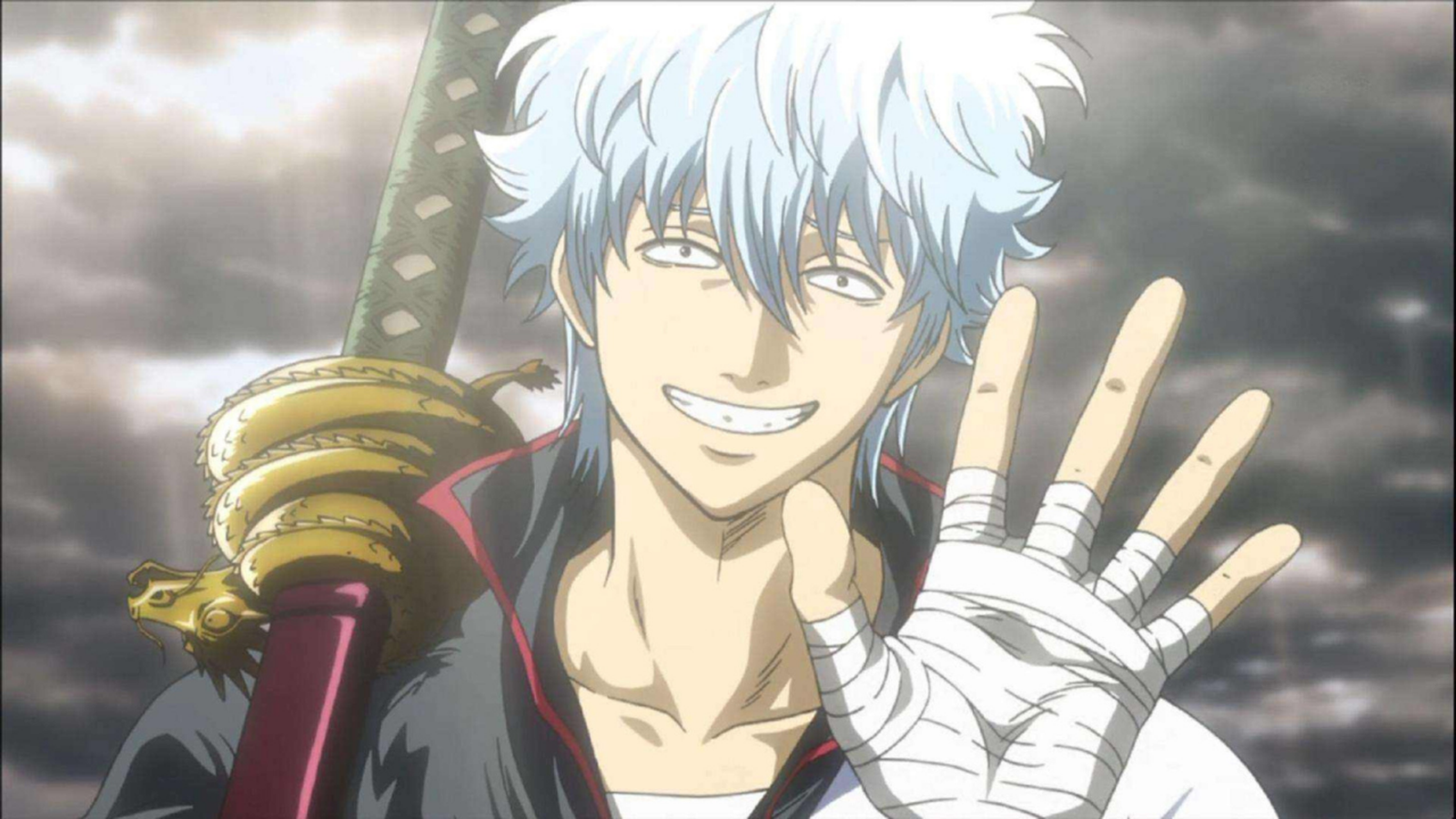
Fullmetal Alchemist Brotherhood builds every episode toward a finale with no unnecessary developments.
“Hiromu Arakawa concluded the FMA manga while Brotherhood was airing. That explains why the 64 episodes lean toward the inevitable ending without wasting time on unnecessary developments.”
Mushishi's Naturalistic Approach
Mushishi avoids happy resolutions, focusing on the natural world's unpredictability and human resilience.
“Some people recover, while others have to deal with permanent losses. Some mysteries are just beyond the reach of humans, and that is the unpredictability of the natural world.”
Monster's Psychological Tension
Monster sustains tension through a psychological thriller that avoids major revelations in every episode.
“Dr. Tenma's pursuit of Johan crosses Germany and the Czech Republic through trains, orphanages and rented rooms.”
The takeaway
Ten 2000s anime series with no bad episodes are ranked by their consistent storytelling and character development.