From CBS News · Kerry Breen · · 1m 30s
1,700-year-old Homer fragment found in library book
A Greek teacher at a Dutch university discovered an ancient scrap of the Odyssey hidden in a medieval manuscript.
In brief
A Greek teacher at a Dutch university discovered an ancient scrap of the Odyssey hidden in a medieval manuscript. Dr. Mark de Kreij found a fragment of Homer's Odyssey dating to around three hundred AD tucked between pages of a book at Utrecht University, one of only about thirty such fragments known to exist…
Greek teacher finds ancient treasure
Dr. Mark de Kreij of Radboud University discovered a fragment of Homer's Odyssey sandwiched between pages of a library book at Utrecht University.
Hidden in a medieval manuscript
De Kreij found the tiny slip of paper while studying early Christian manuscripts purchased by Utrecht University in the mid-twentieth century. He made the discovery about two years ago.
Recognized the ancient Greek text
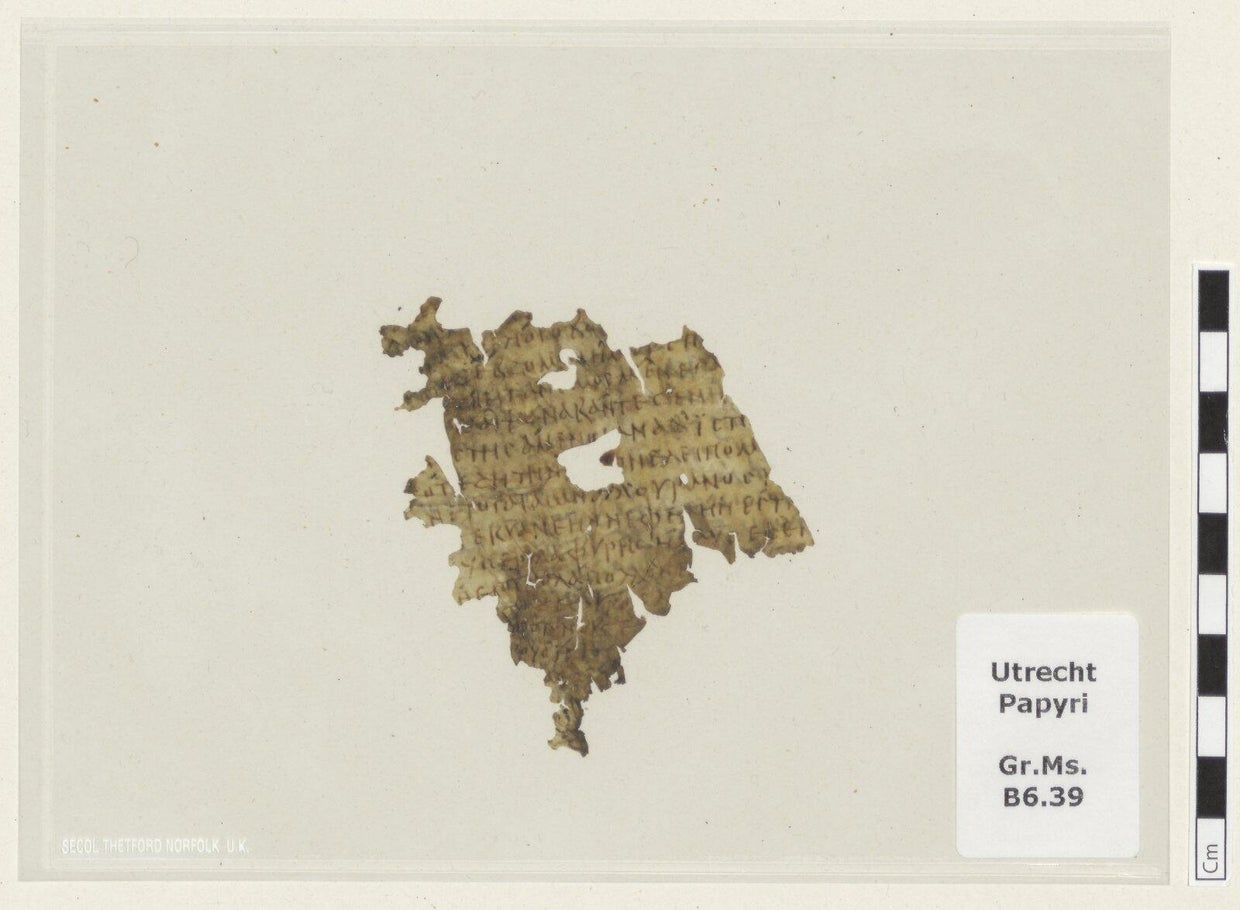
De Kreij, a Greek teacher, recognized the language on the paper and identified it as part of the Odyssey. Researchers dated the fragment to around three hundred AD.
“Everyone who learns Greek learns Homer.”
One of only thirty known fragments
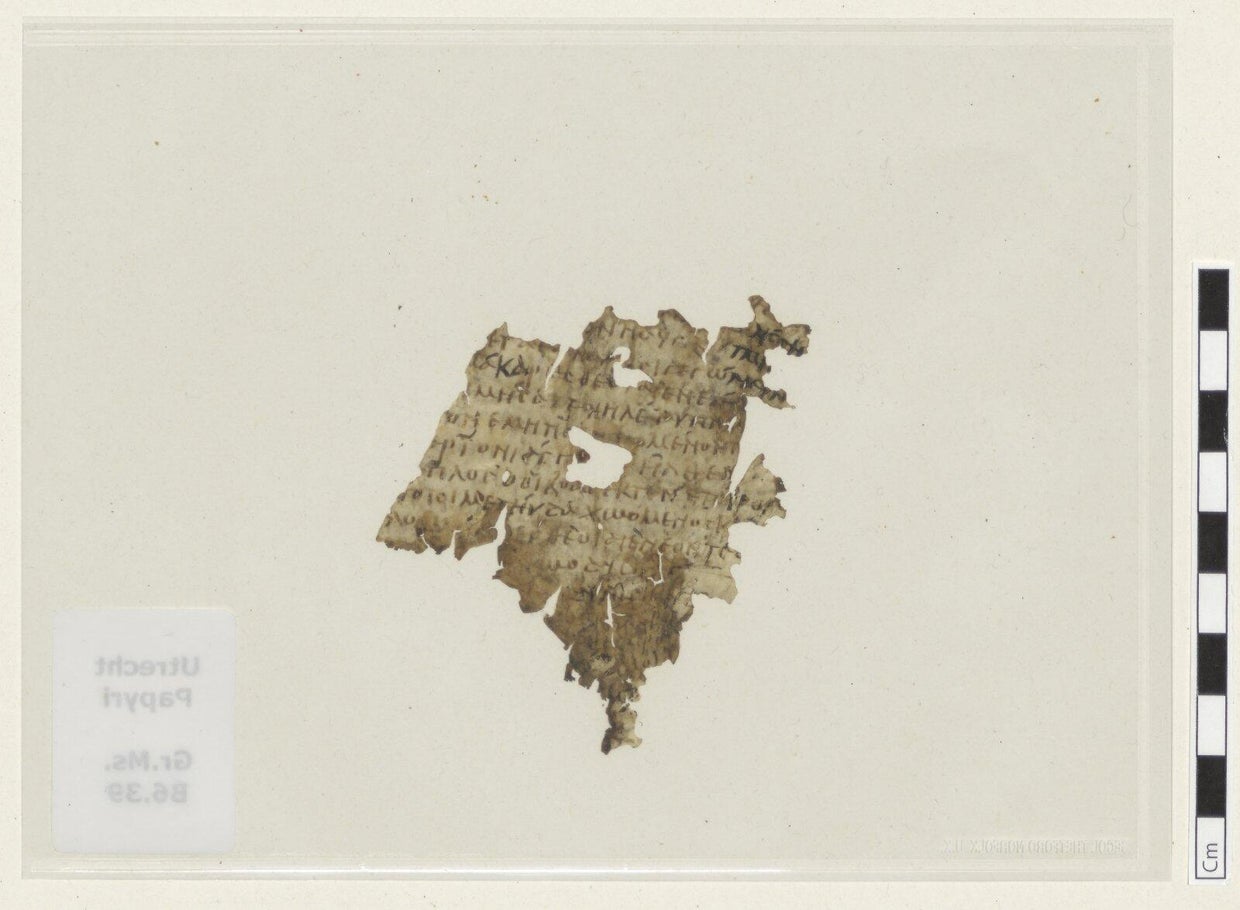
Only about thirty such fragments of the Odyssey exist worldwide. The piece came from a pocket edition owned by someone living in Egypt's Faiyum oasis, about the size of a playing card.
From a dramatic moment in the poem
The fragment is from book twelve, where Odysseus describes starving sailors eating sacred cattle of Apollo. De Kreij noted it is a particularly engaging passage.
“There are so many boring parts in the Odyssey. This happens to be a really fun passage.”
A treasure hunter's greatest find
De Kreij told Dutch media he has the best job in the world as a treasure hunter. This fragment ranks among his most significant discoveries.
“I have the best job in the world. I am a treasure hunter. Every day you find something nice. This is one of them.”
The headline
Dr. Mark de Kreij found a fragment of Homer's Odyssey dating to around three hundred AD tucked between pages of a book at Utrecht University, one of only about thirty such fragments known to exist.





