From CBS News · · 1m 30s
A baby from a 22-year-old embryo
Months after losing their son, a Greek couple raced a legal deadline to have a daughter from an embryo frozen since 2004.
In brief
Months after losing their son, a Greek couple raced a legal deadline to have a daughter from an embryo frozen since 2004. Greece caps IVF at 54 years and one day, a hard line that gave this family a 2.5-month window to try. Originally reported by CBS News.
Out of the darkest moment
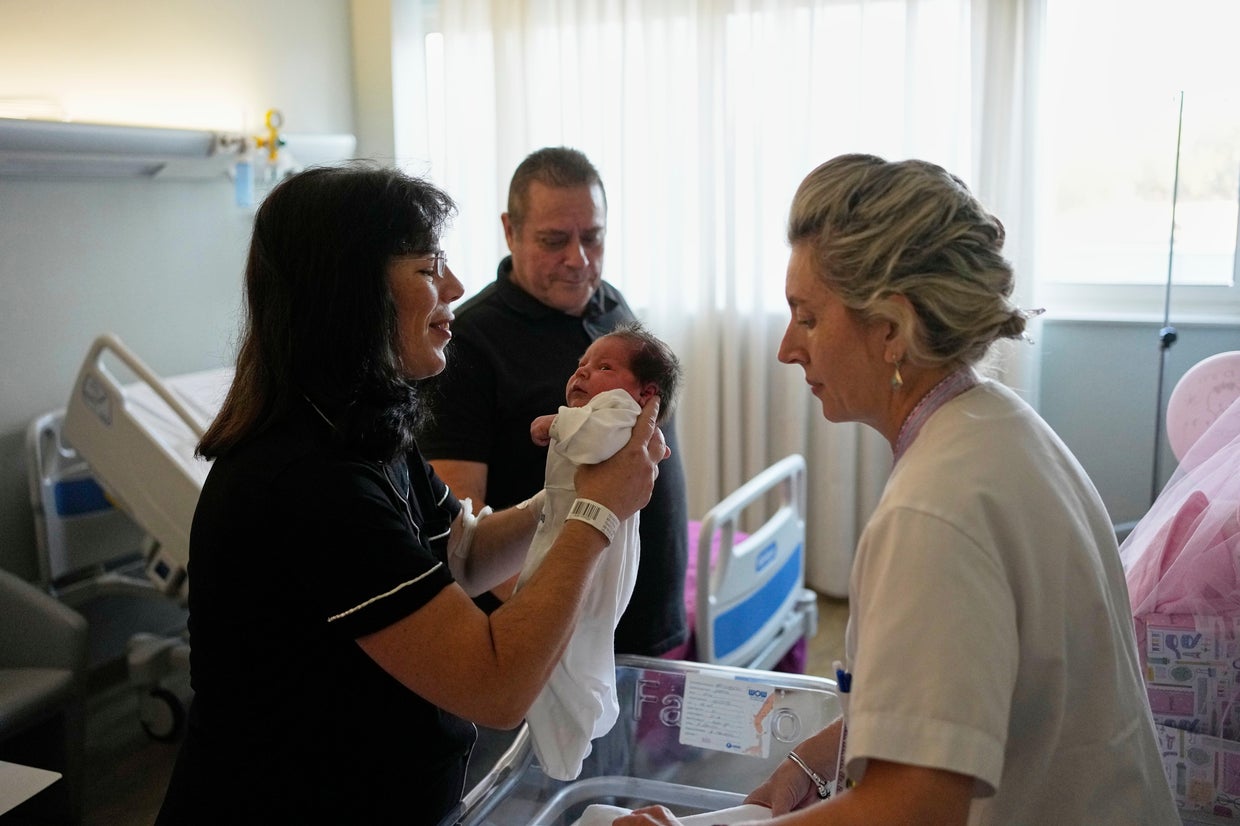
A Greek couple welcomed a daughter last week, months after their 21-year-old son died in a road crash in October. They named her Georgia, after him.
“We decided to give life a second chance, to make a new start.”
A 2.5-month window
Cristina Rapti-Tzelepi was 54, right at Greece's legal cutoff for women completing IVF. She had weeks, not years, to get national approval and finish the procedure.
“I only had a 2½-month window. It was stressful, but we got through every obstacle.”
Frozen since 2004
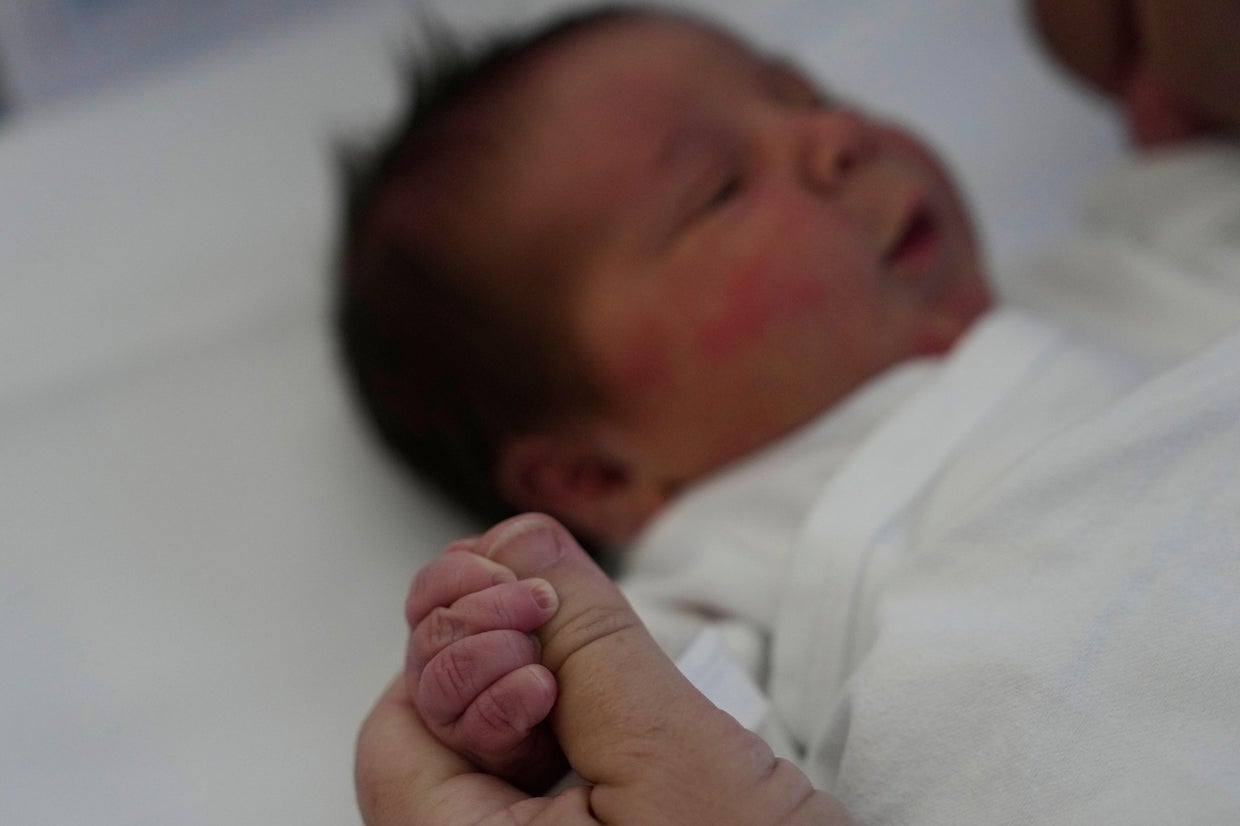
The embryo had been on ice for more than 22 years, an unusually long wait before producing a pregnancy. She gave birth in Athens to a girl weighing 7 pounds, 11 ounces.
Not the record
An Ohio couple went further last year, with a boy born from an embryo frozen over 30 years through embryo adoption. Guinness logged it as the oldest embryo behind a successful pregnancy.
The doctor wants the law changed
Dr. Kostas Pantos, who heads the Hellenic Society of Reproductive Medicine, points to Greece's falling birth rate and calls the age limit too rigid to defend.
“The law is very strict: 54 plus one day is not allowed. Maybe it's time for it to change.”
A million embryos waiting
Frozen donated embryo transfers in the U.S. nearly quadrupled from 2004 to 2019. More than a million embryos sit in storage, many kept by people who cannot bring themselves to discard them.
The bottom line
Greece caps IVF at 54 years and one day, a hard line that gave this family a 2.5-month window to try.


