From CBS News · Megan Cerullo · · 1m 40s
Caregiving costs surge 60% in five years
Family caregivers now spend over eleven thousand five hundred dollars annually, up from roughly nine thousand in 2021, straining finances and forcing work decisions.
In brief
Family caregivers now spend over eleven thousand five hundred dollars annually, up from roughly nine thousand in 2021, straining finances and forcing work decisions. Caregivers for aging relatives now spend over eleven thousand five hundred dollars per year on average, up sixty percent since twenty twenty-one, forcing…
A caregiver's annual bill
Wendy Mayo, forty-four, from Connecticut, helps her two siblings care for their mother with Alzheimer's disease. Mayo spends fifteen thousand dollars annually on her mother's care, while the three siblings spend forty-five thousand combined.
“We pay her rent and bought stuff to prevent bedsores, plus bed alarms because she was getting out of bed and wandering around.”
Costs jumped sixty percent
An AARP study of more than two thousand five hundred caregivers found that family caregivers now spend more than eleven thousand five hundred dollars per year on average, up roughly sixty percent from twenty twenty-one.
Costs consume most income
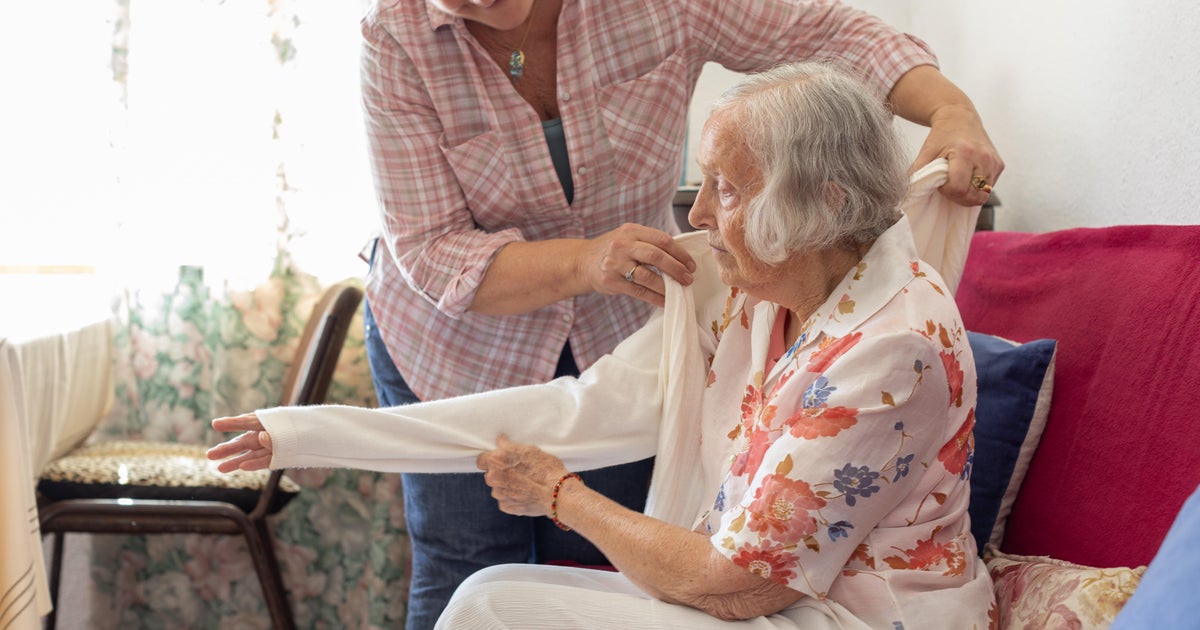
For households earning less than forty thousand dollars annually, caregiving costs consume more than three-quarters of their annual income on average, according to AARP's findings.
Housing and healthcare lead
Housing and household costs, including food, rent, mortgage and property taxes, are the largest expense for caregivers at nearly four thousand eight hundred dollars annually.Healthcare costs are second, followed by nursing homes and medical equipment.
Work and retirement suffer
Nearly two-thirds of working caregivers said caregiving responsibilities affected their work lives. Some worked additional hours to cover costs, while others reduced schedules or quit entirely, affecting earnings and retirement savings.
“The financial outputs they provide for their loved one have implications for their own retirement security.”
Hidden time costs mount
Beyond money, caregivers spend unpaid hours navigating healthcare systems for loved ones, finding providers, making appointments and providing transportation, compounding the burden on their own financial security.
What matters most
Caregivers for aging relatives now spend over eleven thousand five hundred dollars per year on average, up sixty percent since twenty twenty-one, forcing many to cut work hours or delay retirement.