From CBS News · Camilo Montoya-Galvez · · 1m 50s
Deported to a country they'd never heard of
ICE sent 15 people to Liberia, most of them Latin American, none with any tie to the place.
In brief
ICE sent 15 people to Liberia, most of them Latin American, none with any tie to the place. Third-country deportation can strand people who won legal protection in U.S. courts, far from families they cannot return to. Originally reported by CBS News.
A hotel full of strangers
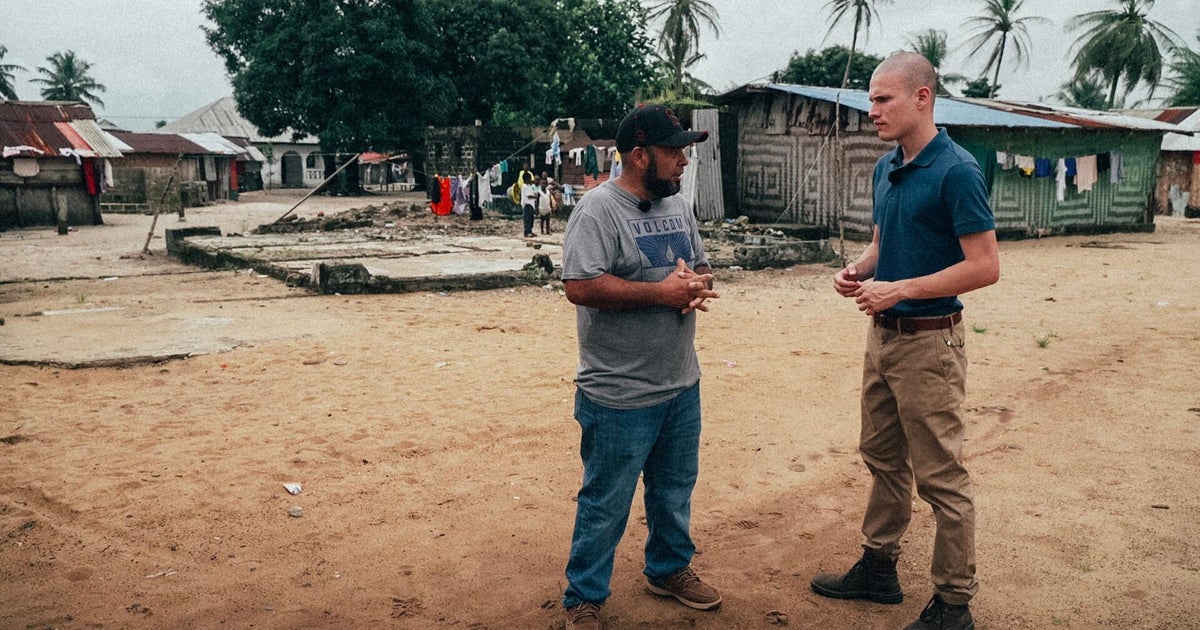
Fifteen deportees live in a three-story hotel on Liberia's remote coast. None are Liberian. Most come from Brazil, Colombia, Guatemala, Honduras and Venezuela.
Stateless in West Africa
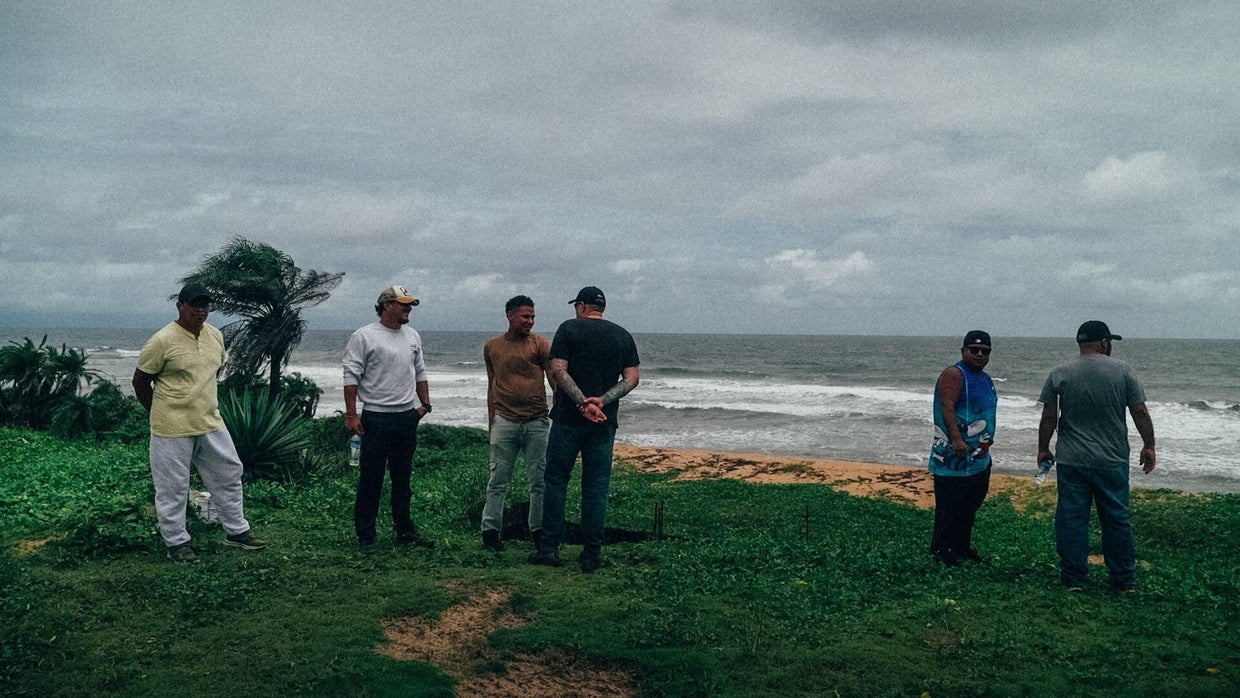
CBS News reached them in person, the first U.S. network to do so. They described limbo: barred from the U.S. where their families are, afraid to go home.
“I feel far away, on the other side of the world.”
Four kids waiting in Texas
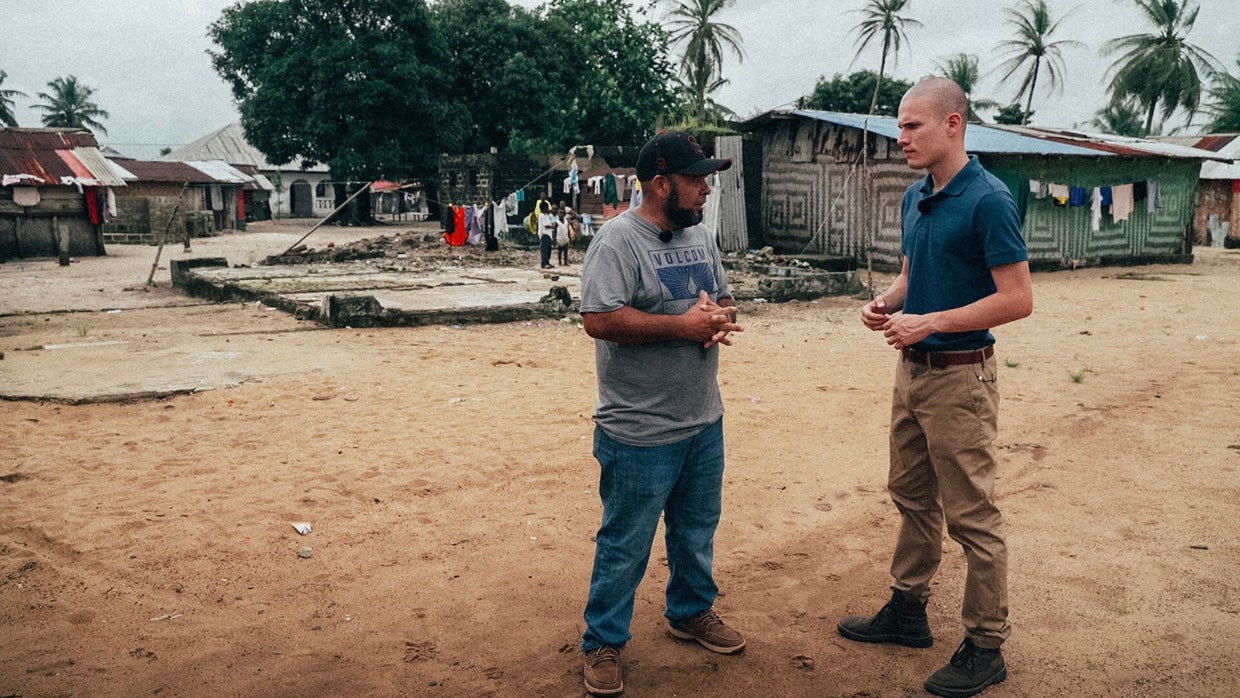
Elvis Rodriguez Venturas worked construction in Texas. His wife and four children, two of them U.S. citizens, ask daily when he is coming back.
They had won in court
Most of those interviewed had judges block their deportation home over risk of persecution or torture. Lacking permanent status, they were sent elsewhere instead.
No warning, no appeal
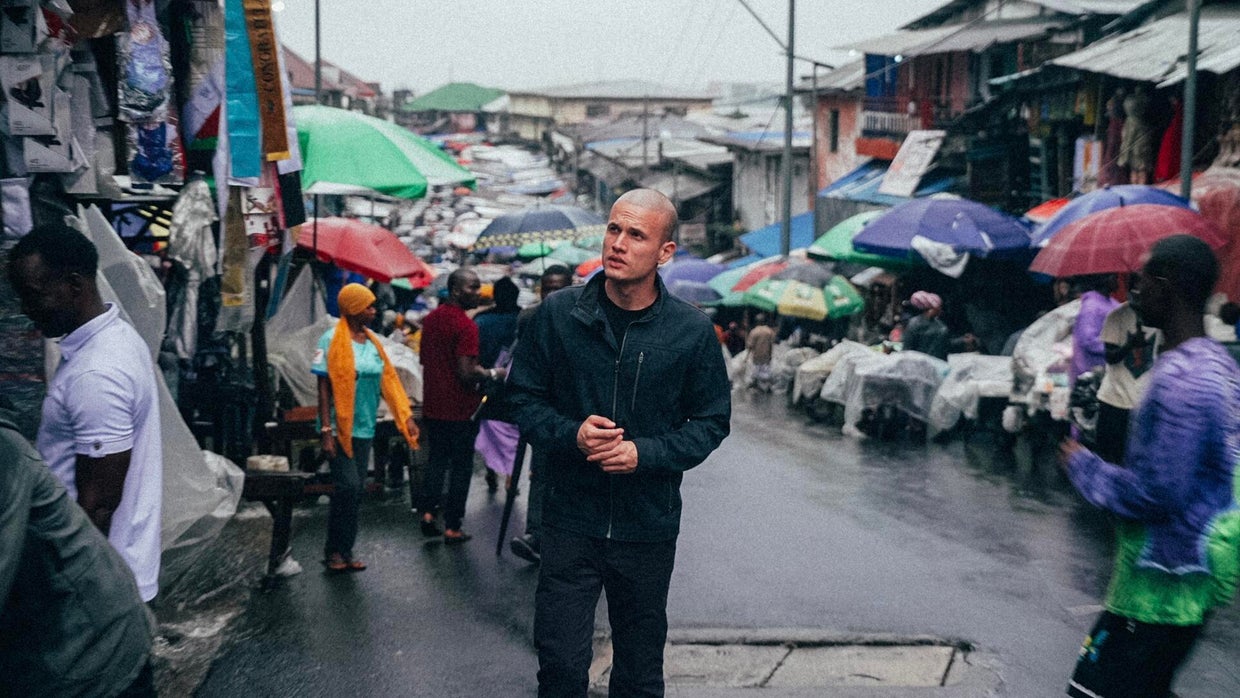
The deportees say ICE never told them where they were going and gave no chance to challenge it. One learned only when the plane doors opened on Aug. 20.
“I was the first to get off the plane, and they said, 'Welcome to Liberia. You're in Africa.'”
Not the worst of the worst
CBS obtained the names of everyone on the flight. For the vast majority it found no criminal charge or conviction beyond immigration violations like illegal entry.
Thirty countries and counting
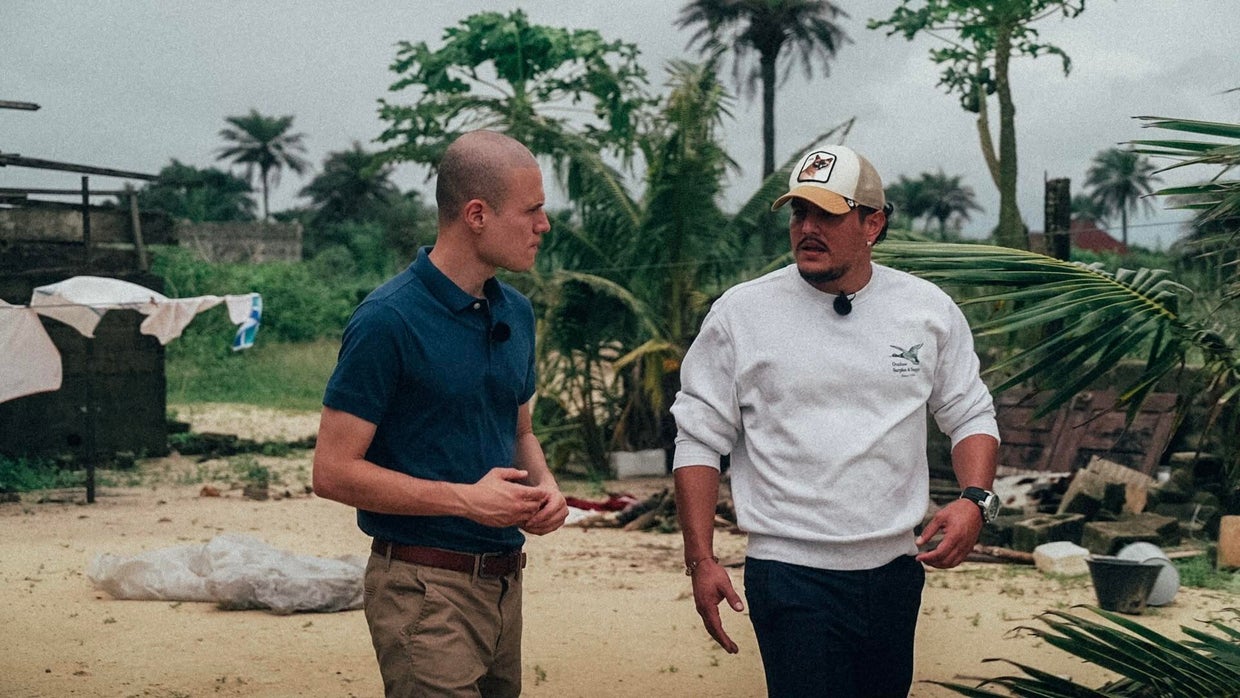
Liberia agreed to take up to 1,200 third-country deportees, calling it humanitarian. More than 30 nations have signed similar deals under U.S. pressure.
Free to leave, nowhere to go
Unlike Eswatini, Liberia is not detaining them, and a U.N. agency supplies basics. None want to stay, citing poverty and no work visas, but home is not an option either.
“Returning to Venezuela is not an option for me.”
Here's the gist
Third-country deportation can strand people who won legal protection in U.S. courts, far from families they cannot return to.