From CBS News · Angelica Leicht · · 3m
Fed raises rates for first time since 2023
The Federal Reserve's quarter-point rate hike signals a shift in policy, but what it means for mortgage rates remains uncertain.
In brief
The Federal Reserve's quarter-point rate hike signals a shift in policy, but what it means for mortgage rates remains uncertain. Mortgage rates don't automatically follow Fed rate hikes; they respond more to Treasury yields and inflation expectations, so borrowers should focus on what the Fed signals next rather than…
Homebuyers face stubborn high rates
The average 30-year fixed mortgage rate hit 7.43% in mid-September, up a full point in just months. High rates combined with elevated home prices have strained affordability for prospective buyers.
Fed raises rates for first time
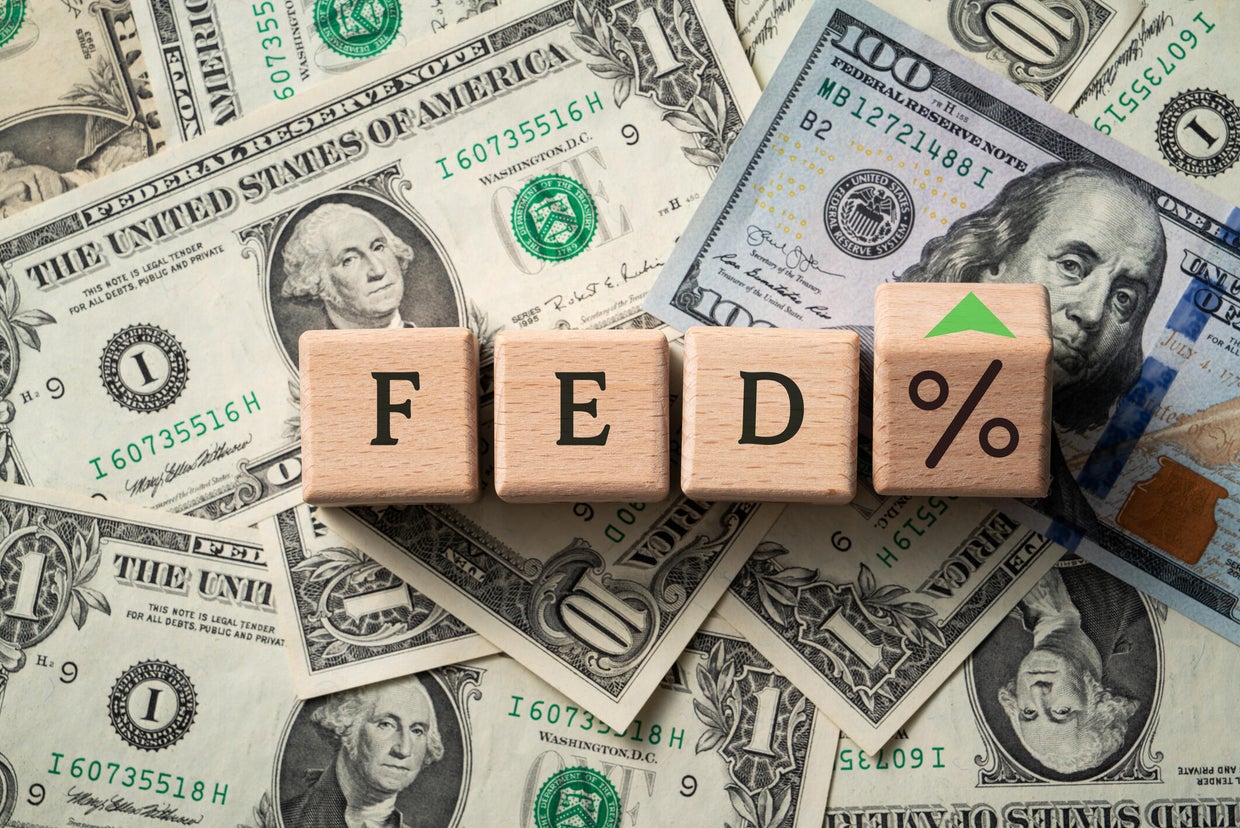
The Federal Reserve increased its benchmark interest rate by 25 basis points to a target range of 3.75% to 4.00%, its first hike since 2023. The move follows persistent inflation that prompted the central bank to shift toward tighter monetary policy.
Mortgage rates may not spike immediately
The quarter-point hike was widely expected, giving financial markets time to price it in before the announcement. Much of the adjustment may already be reflected in current mortgage rates lenders are offering.
Mortgage rates follow Treasury yields
Fixed mortgage rates don't move in lockstep with the federal funds rate. They tend to follow the 10-year Treasury yield more closely, which can shift based on inflation reports and investor expectations about future Fed policy.
Future Fed signals matter most
Whether mortgage rates climb meaningfully depends on whether markets see this hike as isolated or the start of broader tightening. If the Fed signals more hikes ahead, investors may demand higher yields, pushing mortgage rates up further.
Inflation data could ease pressure
If upcoming inflation reports improve enough to reduce expectations for additional Fed hikes, longer-term Treasury yields could fall, creating room for mortgage rates to decline. The next few months of economic data will be crucial.
Shop around for better rates
Mortgage rates and fees vary considerably between lenders. Even small rate differences change monthly payments substantially. Borrowers should focus on what they can control rather than trying to time the market perfectly.
Consider rate locks strategically
Borrowers close to buying may want to discuss rate-lock options with their lender. Locking in now could protect against future increases if bond yields continue rising. Those with more flexibility may prefer to wait and see how markets settle.
Strengthen your financial profile
Improving credit, reducing debt, and making a larger down payment can help you qualify for better mortgage terms regardless of where average rates move. These factors are within your control.
The essence
Mortgage rates don't automatically follow Fed rate hikes; they respond more to Treasury yields and inflation expectations, so borrowers should focus on what the Fed signals next rather than today's increase alone.





