From CBS News · Joanne Stocker · · 2m
Iran's proxies are squeezing the world's oil chokepoints
Six months into the war, a drone strike on a Saudi pipeline and a Houthi blockade have pushed Brent crude to $108.
In brief
Six months into the war, a drone strike on a Saudi pipeline and a Houthi blockade have pushed Brent crude to $108. Iran no longer needs to close Hormuz alone. With the Houthis holding the Bab el-Mandeb and proxies hitting Saudi pipelines, it can throttle oil supply from three directions at once. Originally reported by…
The war moved to the water
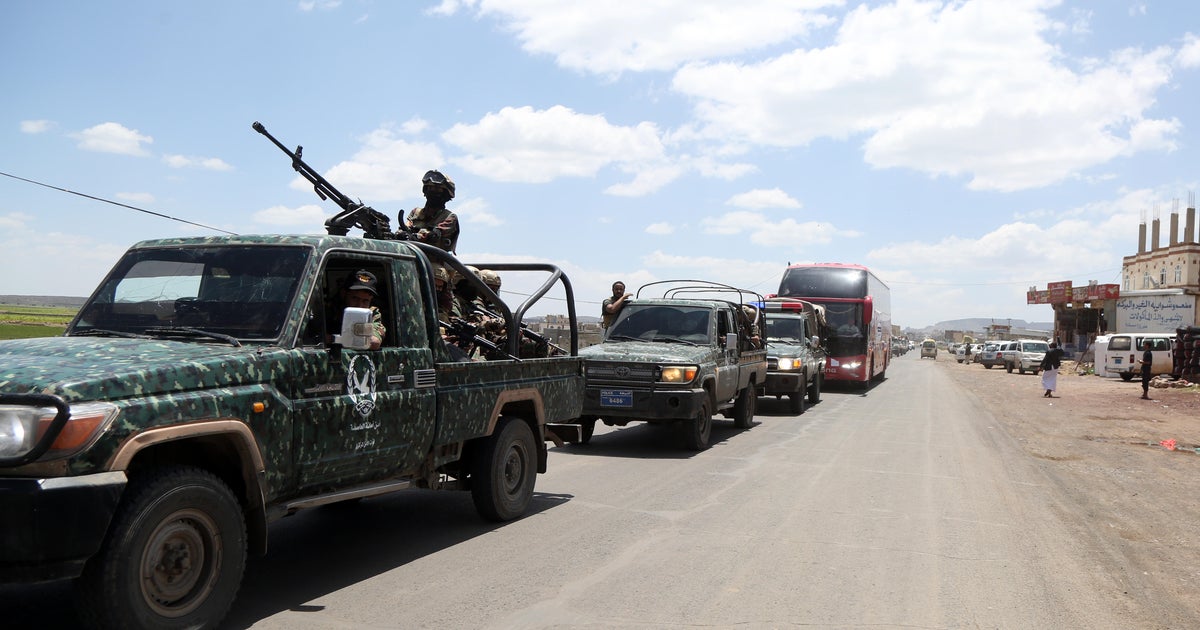
More than six months after the U.S. and Israel struck Iran, fighting between the Houthis and Saudi Arabia is threatening tanker traffic and pushing fuel costs up worldwide.
Two straits, thirty percent
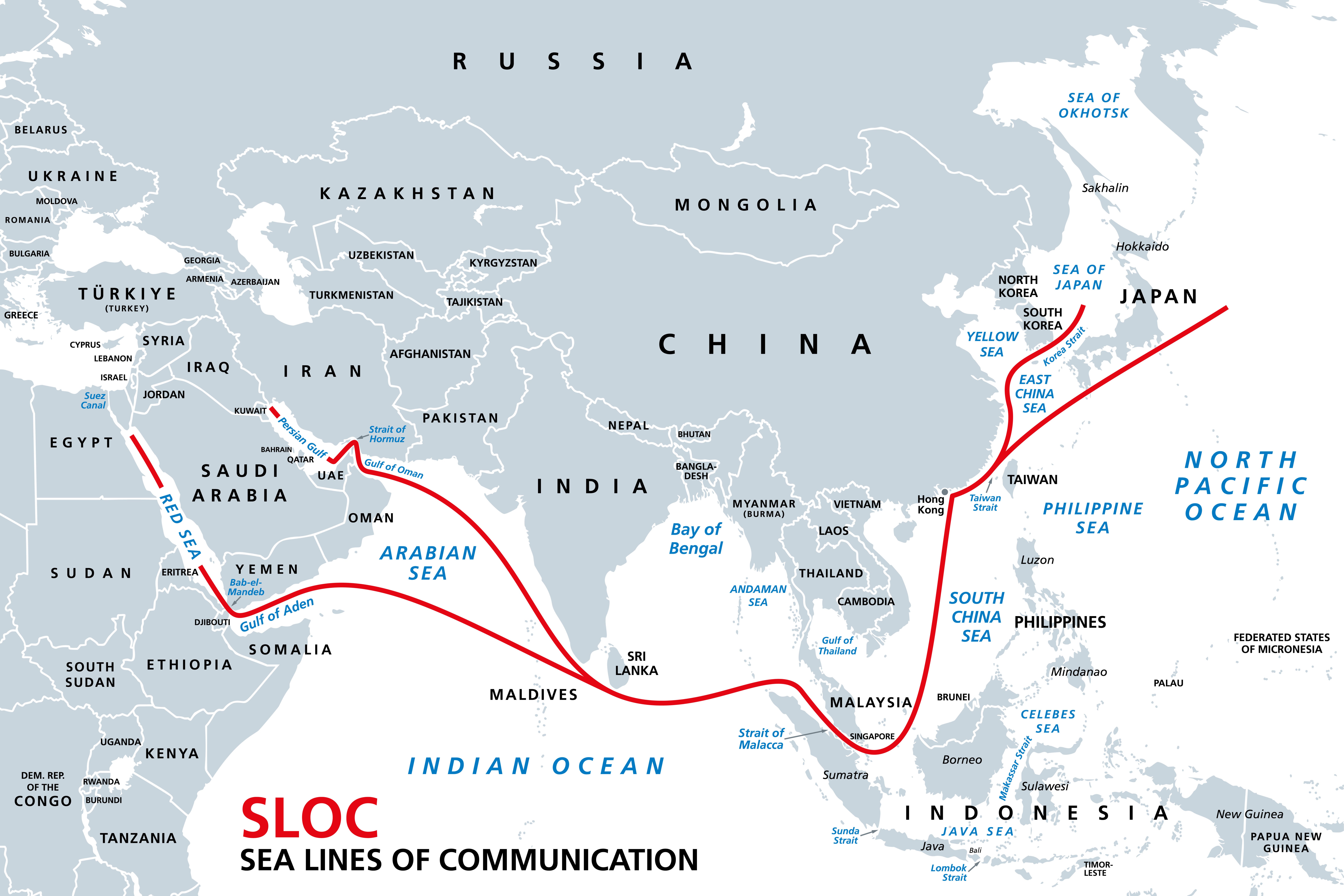
Before the war, roughly 30% of the world's oil moved by tanker through the Strait of Hormuz and the Red Sea's Bab el-Mandeb. Both are now contested at once.
Brent hits $108
Oil reached a near four-month high of about $108 a barrel on Monday. In the days before the war started in late February, Brent averaged $67.
A drone took the pipeline out
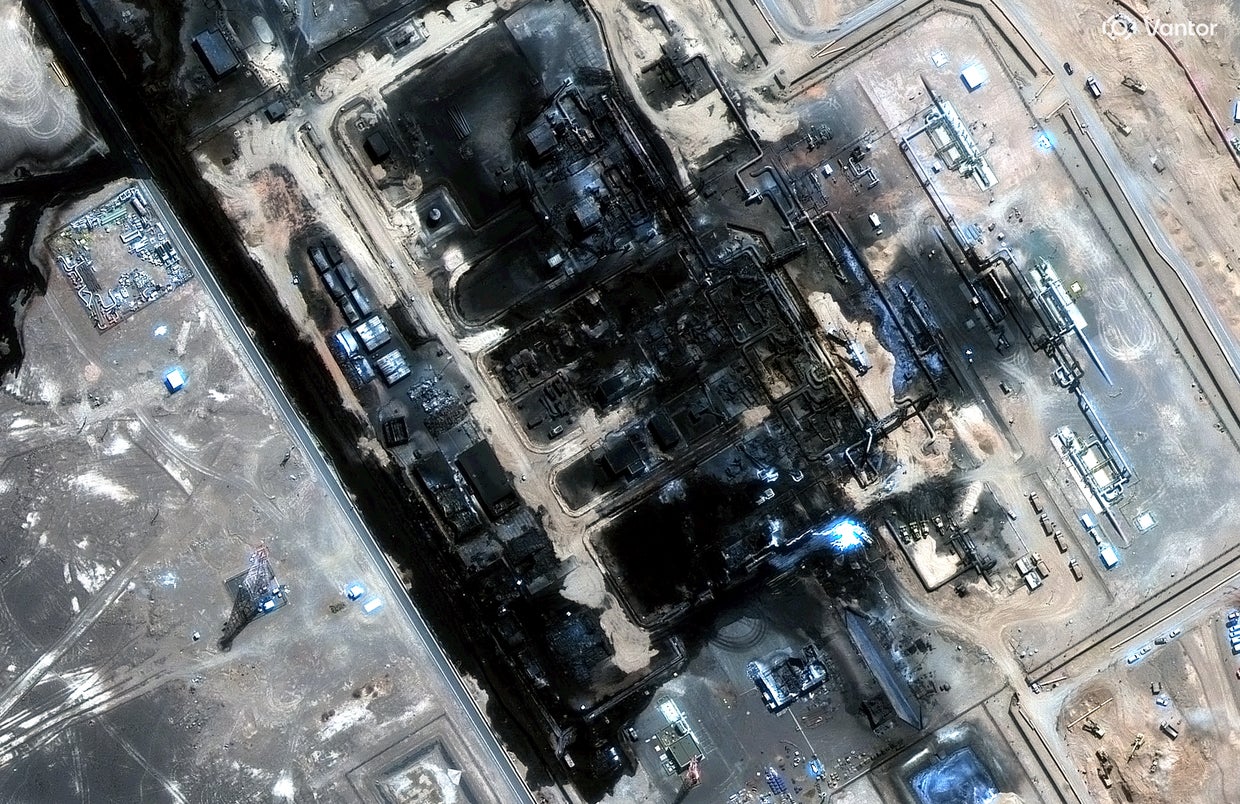
An attack last week shut Saudi Arabia's East-West pipeline. Iraq says the drones flew from its territory, where Iran-backed militias operate. Tehran denies involvement.
“The spike in price is due to the East-West pipeline in Saudi being damaged and shut.”
The kingdom's backup route
Built during the 1980s Iran-Iraq War for exactly this problem, the pipeline carries oil 745 miles west to Yanbu on the Red Sea, bypassing Hormuz. It was repaired and back at full capacity in April.
Output collapsed in a month
Saudi crude production fell below 6 million barrels a day in August, down from about 8 million in July and far under its 10.42 million target. Repairs may take 3 to 5 weeks.
Nowhere left to ship
The Houthis declared a blockade of Saudi Red Sea ports in July and began hitting Saudi-linked tankers. Saudi traffic through the Bab el-Mandeb fell to near zero in August.
They took the island
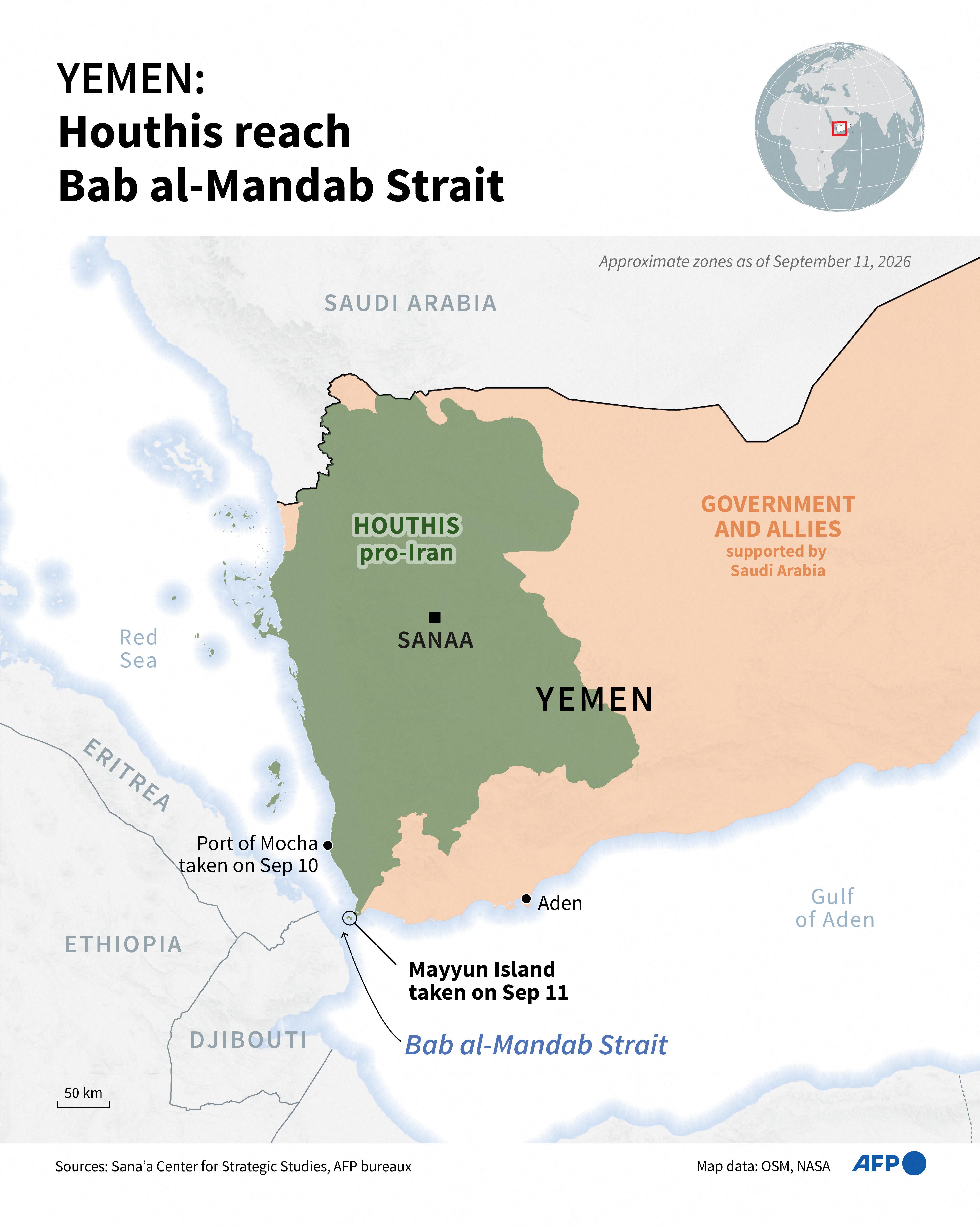
Houthi forces seized the port of Mokha and Perim island in the middle of the Bab el-Mandeb. Their promise that the Red Sea stays safe has not calmed shipowners.
“The Red Sea remained safe for the majority of tanker operators.”
Gatekeepers by design
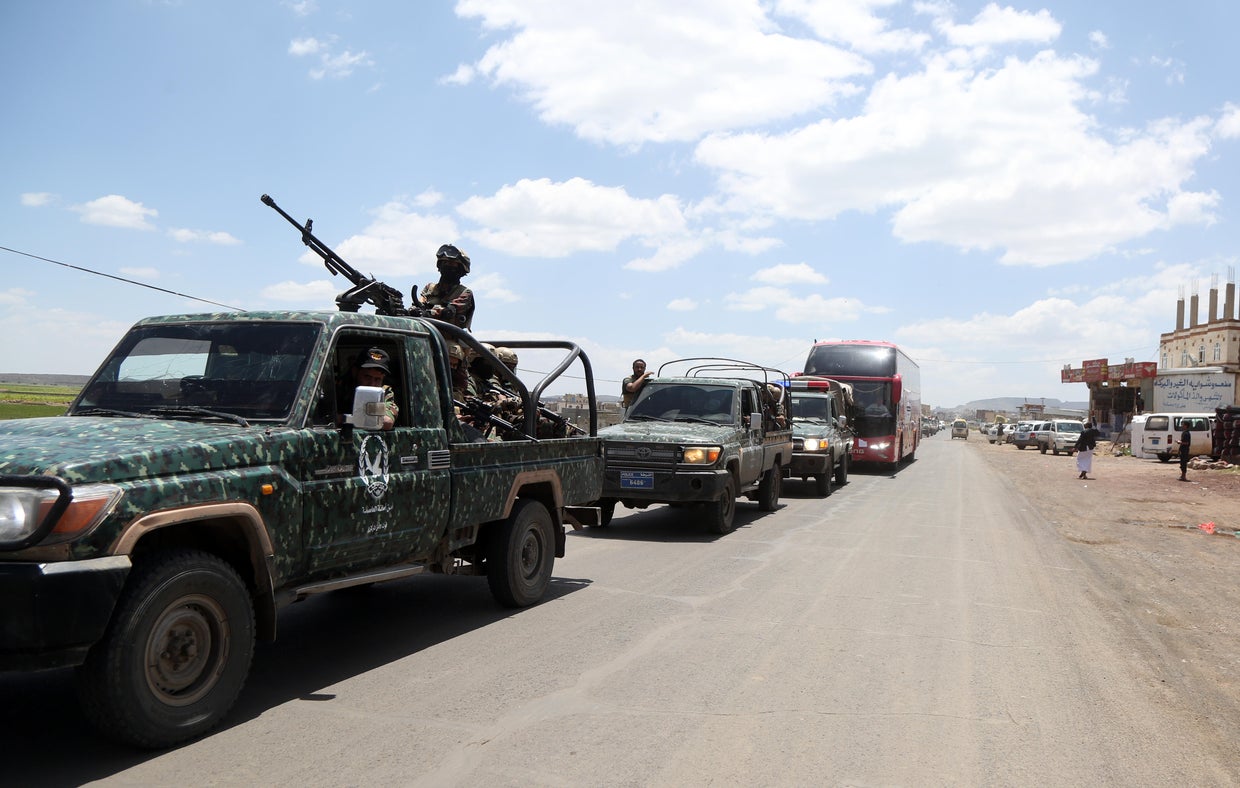
Overall traffic through the strait has held steady, which is keeping prices from spiking further. Analysts say that restraint is a choice Iran can reverse.
“Tehran's longer-term aim is to establish a daunting status quo: Houthi control over the Bab el-Mandeb alongside Iranian control of Hormuz.”
The big picture
Iran no longer needs to close Hormuz alone. With the Houthis holding the Bab el-Mandeb and proxies hitting Saudi pipelines, it can throttle oil supply from three directions at once.


