From CBS News · · 4m
Oil hits a four-month high as Hormuz talks collapse
Postponed strait talks, a wrecked Saudi pipeline and Houthi gains at Bab el-Mandeb are squeezing the world's oil routes at once.
In brief
Postponed strait talks, a wrecked Saudi pipeline and Houthi gains at Bab el-Mandeb are squeezing the world's oil routes at once. Iran no longer needs to close the Strait of Hormuz to move oil prices. Choking the alternatives works just as well. Originally reported by CBS News.
Brent near $108
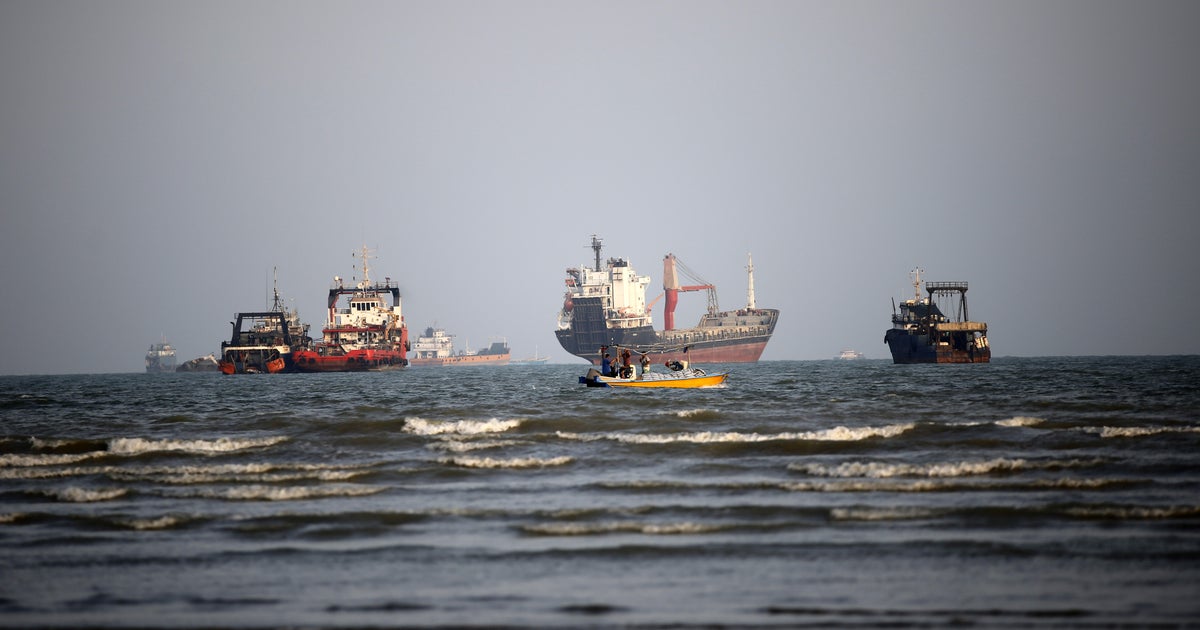
Brent crude rose 3.2% Monday to about $107.94 a barrel, its highest in almost four months. It sat near $72 before the war in Iran began in late February.
U.S. crude climbs too
Benchmark U.S. crude also gained 3.2%, trading above $103.26 a barrel. That is more than 20% higher than a month ago.
Muscat talks postponed
Oman called off Monday's meeting in its capital with Iran and other regional delegations on the future of the Strait of Hormuz, citing "the interests of consensus."
“the meeting had been postponed "in the interests of consensus"”
Saudi Arabia pumped the brakes
Iran's foreign ministry said Riyadh asked for the delay. A Gulf official said Saudi Arabia filed amendments, worried the Iran-Oman deal would bind other Gulf states for years.
A deal was already done
Iranian spokesman Esmaeil Baghaei said the Iran-Oman agreement on the strait had been finalized and would be announced later. Weeks ago, Iran, Oman and mediator Pakistan sounded optimistic.
“a "proper opportunity" to restore security in the region”
Iran's strait authority blacklists ships
The Persian Gulf Strait Authority updated its list of vessels it says break its rules, and told marine insurers to stop covering them to avoid financial exposure.
Two routes, two rulebooks
Iran demands every ship coordinate with the PGSA. It has repeatedly attacked vessels that instead take the southern route near Oman's coast, where the U.S. Navy escorts convoys.
Escorted traffic is rising
Energy Secretary Chris Wright said the seven-day rolling average of oil moving through Hormuz under Navy escort keeps climbing, with a peak of 18 million barrels on Sept. 1.
“The trend in that seven-day rolling average has been going up and will continue to go up”
Saudi bypass pipeline knocked out
The East-West Pipeline, hit by a drone strike Thursday, will be largely out of service for weeks. Two regional officials told the AP that repairs could take three to five weeks.
Why that pipeline matters
The 745-mile line carries up to 7 million barrels a day from eastern Saudi Arabia to Yanbu on the Red Sea. It is the kingdom's main way to route oil around Hormuz.
Iran denies the strike
Saudi Arabia blamed Iran-backed militias in Iraq. Tehran's foreign ministry spokesman rejected that and accused Washington of inventing a story to split the region.
“the U.S. keeps fabricating a lie in order to exacerbate divisions between the countries of the region”
Houthis take the Hanish islands
After Yemeni government forces withdrew, Houthi fighters deployed to the Greater and Lesser Hanish islands, about 100 miles north of the Bab el-Mandeb entrance.
Mokha fell first
The islands followed the Houthi capture of the port city of Mokha late last week, a loss one Yemeni official called "painful" as the rebels swept the Red Sea coast.
Fighting spills into Saudi Arabia
Yemen's government counterattacked along the Red Sea coast Sunday and vowed reinforcements. The Houthis fired into Saudi Arabia, which backs the government.
The second gateway squeezed
Bab el-Mandeb is the southern door to the Red Sea and Saudi Arabia's key alternative to Hormuz. Houthi attacks there have badly slowed shipments, tightening both routes at once.
Egypt says no to the Houthis
The Houthis asked, through the International Chamber of Shipping, for direct talks with Cairo on Red Sea navigation rules. Suez Canal chief Osama Rabie rejected it outright.
Recognition is the sticking point
An Egyptian source said talks would imply recognizing a group that is not Yemen's legitimate government. Cairo passed the matter to security agencies instead of its official institutions.
Iran's nuclear chief barred
Austria denied a visa to Mohammad Eslami after Washington objected, keeping him from the IAEA General Conference in Vienna. Iran's envoy called it a serious breach of its rights.
“we could not allow a U.N. designated official to travel … without any meaningful cooperation on nuclear safeguards”
Tehran warns of a precedent
Atomic Energy Organization spokesman Behrouz Kamalvandi called the exclusion a "dangerous precedent" and urged the IAEA and its members to resist U.S. pressure.
Quiet diplomacy at the edges
Saudi Crown Prince Mohammed bin Salman met CENTCOM chief Admiral Brad Cooper in Jeddah, and Iran's president said Tehran and the UAE agreed to "turn the page" after months of retaliation.
“It was agreed that we would turn the page, look to the future and build it together.”
The takeaway
Iran no longer needs to close the Strait of Hormuz to move oil prices. Choking the alternatives works just as well.





