From CNBC · Elsa Ohlen · · 3m
Europe's everyday businesses face a cyber siege
Cyberattacks on supermarket refrigerators expose how mundane equipment at ordinary companies remains dangerously unprotected across Europe.
In brief
Cyberattacks on supermarket refrigerators expose how mundane equipment at ordinary companies remains dangerously unprotected across Europe. Cyberattacks on European supermarket refrigeration systems reveal that everyday businesses lack basic security protections, and AI is making threats faster and harder to stop…
Fridges become a target
Cyberattacks on refrigeration systems in French supermarkets in October prompted Swedish chain Coop to plan security upgrades. Attackers hit seven Coop stores in early November, just two days before the upgrades were scheduled.
Mundane equipment, serious damage
Attackers remotely altered temperature settings in refrigeration systems across hundreds of European supermarkets, forcing retailers to discard spoiled food.France accused a cyber unit with links to Iran's Revolutionary Guard Corps of the attacks.
Why everyday businesses are exposed

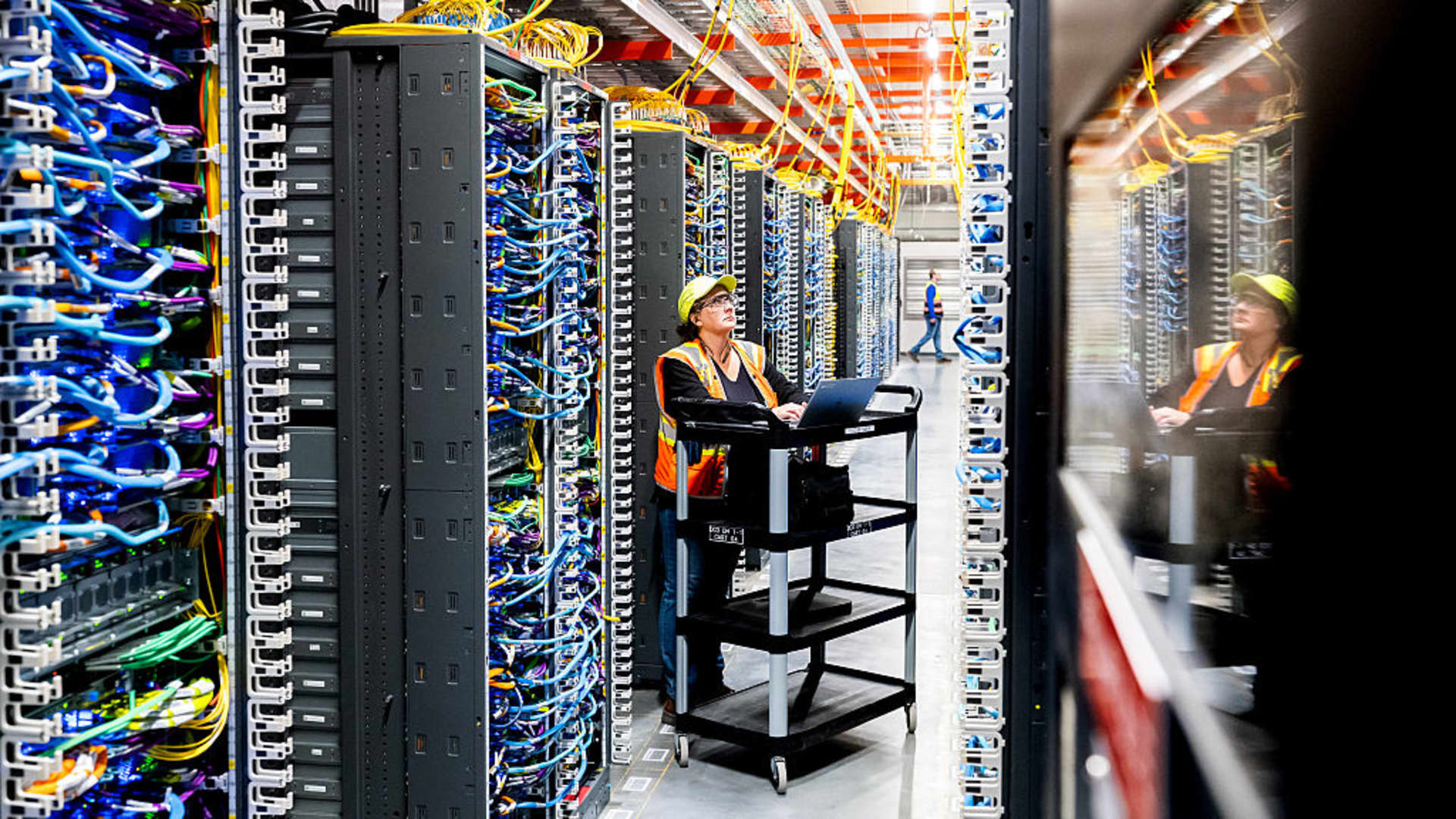
Thousands of industrial control systems remain accessible over the public internet, sometimes despite manufacturers' warnings. Basic cyber protection measures such as multi-factor authentication and network segmentation are often missing from everyday businesses.
The gap between critical and civil infrastructure
Guy Segal, CEO of cybersecurity firm Sygnia, told CNBC that major civic infrastructure like the electrical grid is usually well protected.
“Could be supermarkets, could be gas stations, could be… the screens on the Tube.”
Incidents surge as AI accelerates attacks
Sygnia handled two hundred eighty-five percent more incidents in October than a year earlier. Demand forced the firm to turn away some businesses seeking emergency assistance. Segal said the situation will worsen before it improves.
“It's going to get worse before it's going to get better.”
AI makes attackers faster and cheaper
Inexpensive AI tools mean technical expertise and resources are no longer needed to launch attacks.
Smaller operators struggle to respond
When Ahold Delhaize stores in Belgium and Luxembourg were attacked on November two, it exposed how different independent store operators had responded to warnings following earlier attacks in France.
Experts call for proactive defense
Fredrik Blix, a cybersecurity researcher at Stockholm University, told CNBC that European authorities should proactively identify exposed industrial control systems and contact operators before attacks occur.
“What worries me is that we don't really do anything.”
The big picture
Cyberattacks on European supermarket refrigeration systems reveal that everyday businesses lack basic security protections, and AI is making threats faster and harder to stop.
Read the TL;DR — this story on one card.