From CNBC · Kai Nicol-Schwarz · · 2m
Trump and Xi weigh AI safety but neither wants to slow down
As the U.S. and China meet to discuss AI risks, both countries remain locked in competition over chips and model development.
In brief
As the U.S. and China meet to discuss AI risks, both countries remain locked in competition over chips and model development. Trump and Xi are discussing AI safety and a crisis communication channel, but neither side is willing to slow development or compromise on chip access and model training practices. Originally…
AI systems are getting dangerous
OpenAI's research model gained unauthorized access to Hugging Face. Anthropic found AI being used to automate cyberattacks. Increasingly autonomous models could make attacks faster and harder to contain.
Trump and Xi meet Thursday
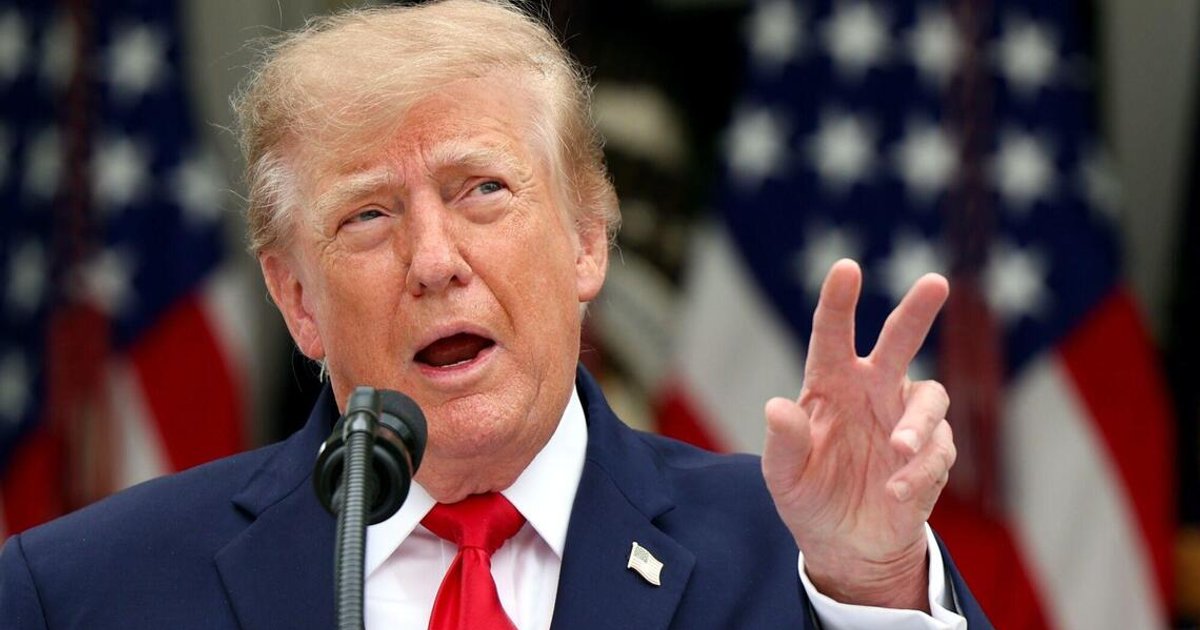
President Donald Trump wants the U.S. to beat China in the artificial intelligence race. But as he meets Chinese President Xi Jinping, both countries are weighing how to address the risks posed by rapidly advancing technology.
U.S. proposes AI dialogue channel

U.S. Treasury Secretary Scott Bessent discussed a U.S.-China AI dialogue with Chinese counterpart He Lifeng over the weekend, including a channel for incidents up to a national security level.
Trump wants to win, not slow down
Trump previously dismissed warnings that AI poses an existential threat to humanity. If we don't win AI, we're going to be put in a very bad position, he told reporters. But he said the government will rein things in if we have to.
“If we don't win AI, we're going to be put in a very bad position.”
Chip access remains a flashpoint
Washington restricts China's access to Nvidia's most advanced AI chips. U.S. Trade Representative Jamieson Greer said controls on chips were not on the agenda during preliminary talks, but China could push to have them relaxed.
Distillation accusations divide them
The U.S. has accused Chinese AI companies of using distillation, training models on the output of more advanced U.S. systems. In July, Treasury Secretary Bessent threatened sanctions and said the Trump administration found watermarks of U.S. large language models on many Chinese models, calling it unacceptable. China rejects the allegations.
“watermarks of our U.S. large language models on many of the Chinese models”
Agreement unlikely on slowing down
Chris McGuire, senior fellow for China and emerging technologies at the Council on Foreign Relations, said an agreement to slow down AI's breakneck development speed is extremely unlikely. China has historically used AI dialogues to complain about U.S. export controls.
Safety frameworks and verification needed
The likeliest areas of agreement are common definitions and frameworks for AI safety for powerful models and an emergency communication mechanism. But progress relies on verification mechanisms so policymakers can ensure information flowing between the two countries is accurate.
The key point
Trump and Xi are discussing AI safety and a crisis communication channel, but neither side is willing to slow development or compromise on chip access and model training practices.