From CNN Brasil · · 1m 10s
Gilmore Girls: Low Budget Secrets Behind 2000s Hit
How 'Gilmore Girls' used tight budgets to create its iconic 2000s TV aesthetic.
In brief
How 'Gilmore Girls' used tight budgets to create its iconic 2000s TV aesthetic. The 2000s TV show 'Gilmore Girls' built its nostalgic charm through low-budget tricks like shared sets and hand-made signs, despite its streaming success and HBO Max documentary. Originally reported by CNN Brasil.
Low Budget Start
Gilmore Girls began as a low-budget show with tight finances that required creative tricks to build its cozy aesthetic.
“Gilmore', na verdade, era uma produção bem pequena, o que significa que não tínhamos dinheiro”
Shared Sets for Savings
The show reused sets from older films and shared locations with other productions to cut costs.
“Stars Hollow was built on the skeleton of a set used in previous films”
Hand-Made Signs
All storefront signs and ads were created by one designer, Casey Kasemeier, to keep costs low.
“Se precisávamos de qualquer coisa, seja para a loja de música, de roupas, de bebidas ou o que fosse, só pedíamos para Casey fazer internamente”
Shared City for Multiple Shows
Stars Hollow was reused for 'Pretty Little Liars' and other shows, maintaining its nostalgic charm.
“Com o fim das gravações, o mesmo cenário construído com esmero acabou sendo reutilizado para contar novas histórias”
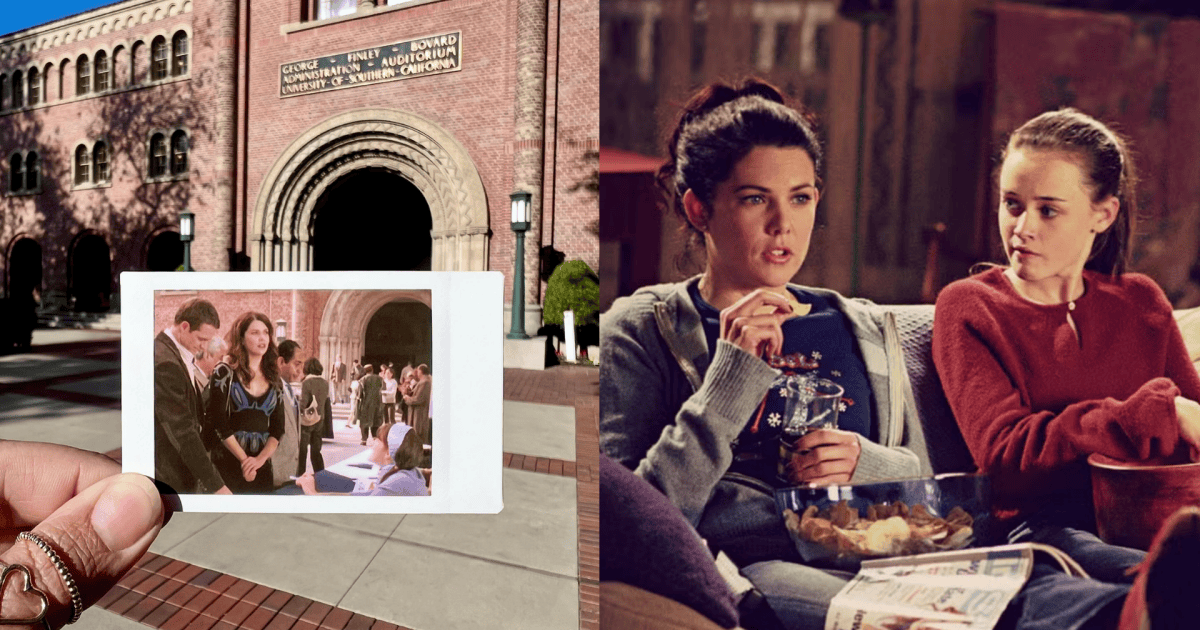
Fake Yale University
Rory's university was a mix of two real schools, not Yale, to create a believable campus without high costs.
“Membros da equipe de filmagem vieram para New Haven para avaliar o campus e compartilhar os scripts com os funcionários”
Nostalgic Aesthetic
The show focused on vintage New England charm to avoid modern looks and keep its cozy feel.
“O programa nunca quis parecer moderno, brilhante e na moda. Sempre fomos muito nostálgicos e focados em um sentimento vintage”
What to remember
The 2000s TV show 'Gilmore Girls' built its nostalgic charm through low-budget tricks like shared sets and hand-made signs, despite its streaming success and HBO Max documentary.
Read the TL;DR — this story on one card.