From CNN Brasil · · 1m 50s
Lá na Minha Terra: Nordeste estereótipos e críticas
TV Globo's 'Lá na Minha Terra' sparks backlash for Northeast Brazil stereotypes after debut.
In brief
TV Globo's 'Lá na Minha Terra' sparks backlash for Northeast Brazil stereotypes after debut. TV Globo's 'Lá na Minha Terra' faces criticism for Northeast Brazil stereotypes after debut, prompting changes to the show's representation. Originally reported by CNN Brasil.
Debut of 'Lá na Minha Terra'
TV Globo's 'Lá na Minha Terra' premiered on Monday night (9) with negative backlash on social media.
Public criticism of stereotypes
Part of the audience says the story repeats Northeast Brazil stereotypes associating the region with delay.
Social media backlash
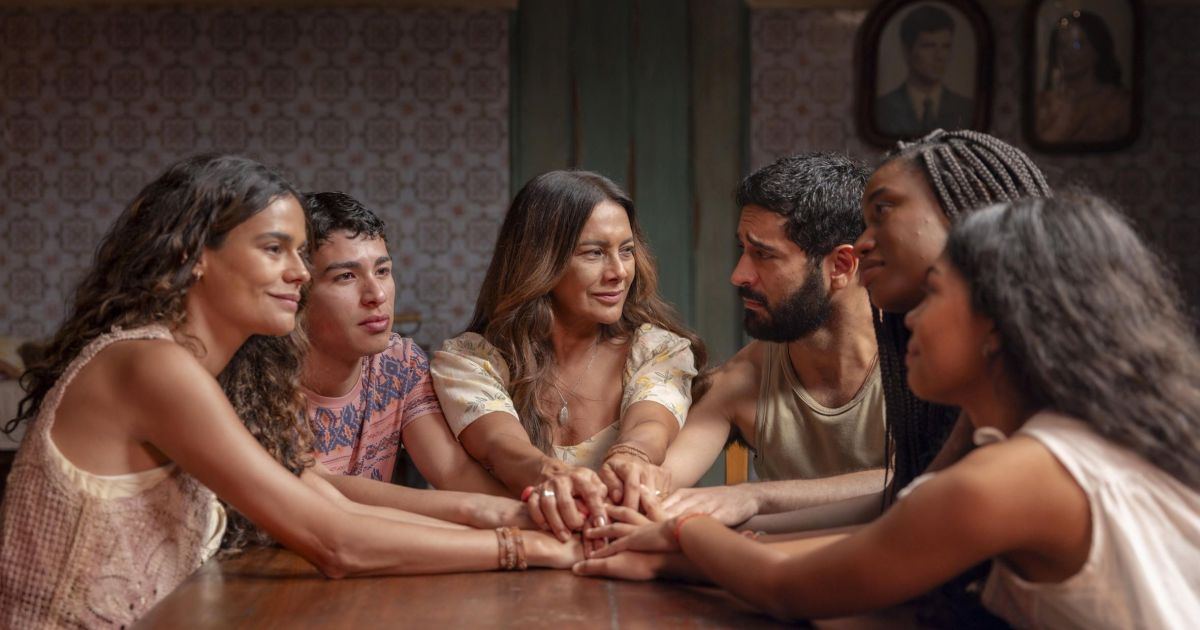
A user on X criticized the show for repeating the same stereotypes in three novels by Mário Teixeira.
“Três novelas, o mesmo autor e a mesma visão limitada do Nordeste: cangaço, falta de energia e nenhuma acessibilidade. Mário Teixeira repete os mesmos estereótipos em 'Mar do Sertão', 'No Rancho Fundo' e 'Lá na Minha Terra'. Isso flerta com xenofobia, mas tem gente que ainda aplaude”
Cultural representation concerns
The show's portrayal of Northeast Brazil is criticized as outdated and lacking cultural diversity.
“O Nordeste tem pobreza, sim. Mas, pasmem: até a pobreza é contemporânea. Você pode ir ao vilarejo mais isolado do sertão e vai encontrar Wi-Fi, smartphones, TVs modernas, serviços de streaming e gente acompanhando o mundo em tempo real”
Cinematographer criticism
Cinematographer Kleber Mendonça Filho criticized the show for being a 'paid project' to generate digital engagement.
“Talvez essa novela seja mesmo um projeto caro e de rege bait”
Historical context of the show
The show replaces 'A Nobreza do Amor' and is part of a universe with 'Mar do Sertão' (2022) and 'No Rancho Fundo' (2024).
Photography critique
The show uses outdated photography techniques, with scenes in São Paulo having cooler tones and the fictional Lavra Seca having yellowed lighting.
Character criticism
Characters like Salviana and Cosminha are criticized for wearing braids and having outfits that are seen as caricatures.
“O penteado inusitado das personagens se conecta às características das Irmãs Cajazeiras, de 'O Bem Amado', de 1973”
MinC response
The Ministry of Culture published videos emphasizing the diversity of Northeast Brazil culture and criticizing the show's narrow representation.
“Uma região de muitos sotaques, ritmos, paisagens e formas de viver. Reduzir tanta riqueza a uma única imagem é deixar de lado um patrimônio cultural imenso, plural e que nos enche de orgulho”
Globo's response
Globo's drama director José Luiz Cillamarim acknowledged the negative reactions and said they will revise the show based on feedback.
“Estamos com a escuta aberta para todas as reflexões e críticas geradas pela estreia de 'Lá Na Minha Terra'”
Expert analysis
Teledramaturgy expert Mauro Alencar says the debate comes from the clash between poetic license and the audience's desire for realistic portrayals.
“Acredito em uma licença poética do folhetim, uma recriação de realidade. Um autor tem o direito de contar a história que pretende, fantasiosa ou não”
Future of telenovelas
The show's backlash shows telenovelas remain central to Brazilian cultural debates despite evolving audience expectations.
“Prestes a completar 75 anos em dezembro, a telenovela continua sendo o maior catalisador de debates culturais do país exatamente por sua flexibilidade temática”
The headline
TV Globo's 'Lá na Minha Terra' faces criticism for Northeast Brazil stereotypes after debut, prompting changes to the show's representation.
Read the TL;DR — this story on one card.