From Cbsnews · · 3m
The Mosquito Bowl and the human cost of war
Director Peter Berg's new film recreates the Battle of Okinawa through the true story of four All-American football players who volunteered for the Marines after Pearl Harbor.
In brief
Director Peter Berg's new film recreates the Battle of Okinawa through the true story of four All-American football players who volunteered for the Marines after Pearl Harbor. Director Peter Berg's film The Mosquito Bowl tells the true story of college football stars who joined the Marines after Pearl Harbor and…
Okinawa: the costliest Pacific battle
Director Peter Berg's new film The Mosquito Bowl captures the Battle of Okinawa, the last and costliest battle of World War II in the Pacific.
A film about war's human cost
The film is based on Buzz Bissinger's book and tells the true story of four All-American football players who volunteered for the Marines after Pearl Harbor.
Boot camp at Parris Island
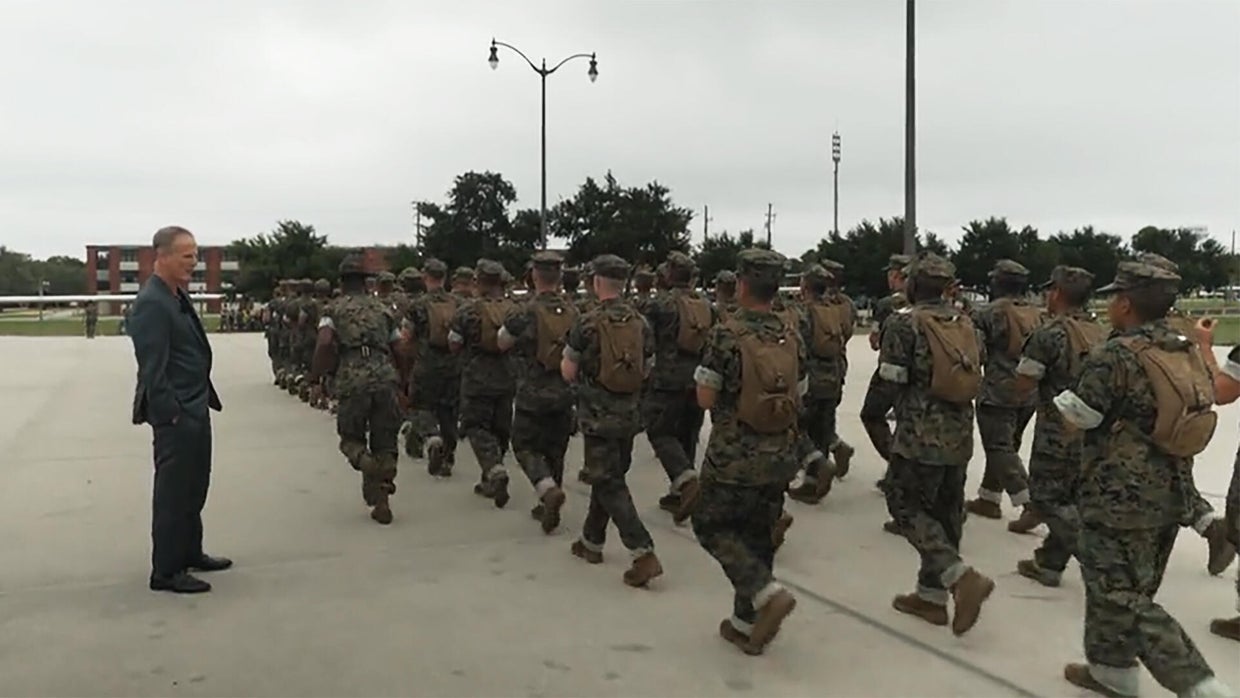
The four football players reported to boot camp at Parris Island, South Carolina, thinking they would win quickly like they won their football games.
“They came down here and they joined the Marine Corps, thinking, Hey, we'll go win this thing. We'll go whup some butt and win this thing, like we win our football games.”
First battle: Tarawa
The four players first encountered the Japanese on a tiny speck of coral called Tarawa. Footage of American dead on the beach reached the United States, showing the public the human cost of war.
Berg's immersive filmmaking style
Berg used real flame throwers and real explosions to recreate battle sequences. He wrote most of the script on Parris Island to absorb the atmosphere and carry it onto the set.
“Just gets into your blood. And then I carry that, I try to, onto the set.”
Berg's father, a Korean War Marine
Berg's father was a Marine who served during the Korean War and is buried at Arlington. Berg said he told his father about the film and was sorry he could not see it.
“I told him I was sorry that he couldn't see this film. He would have loved this film.”
The Mosquito Bowl game
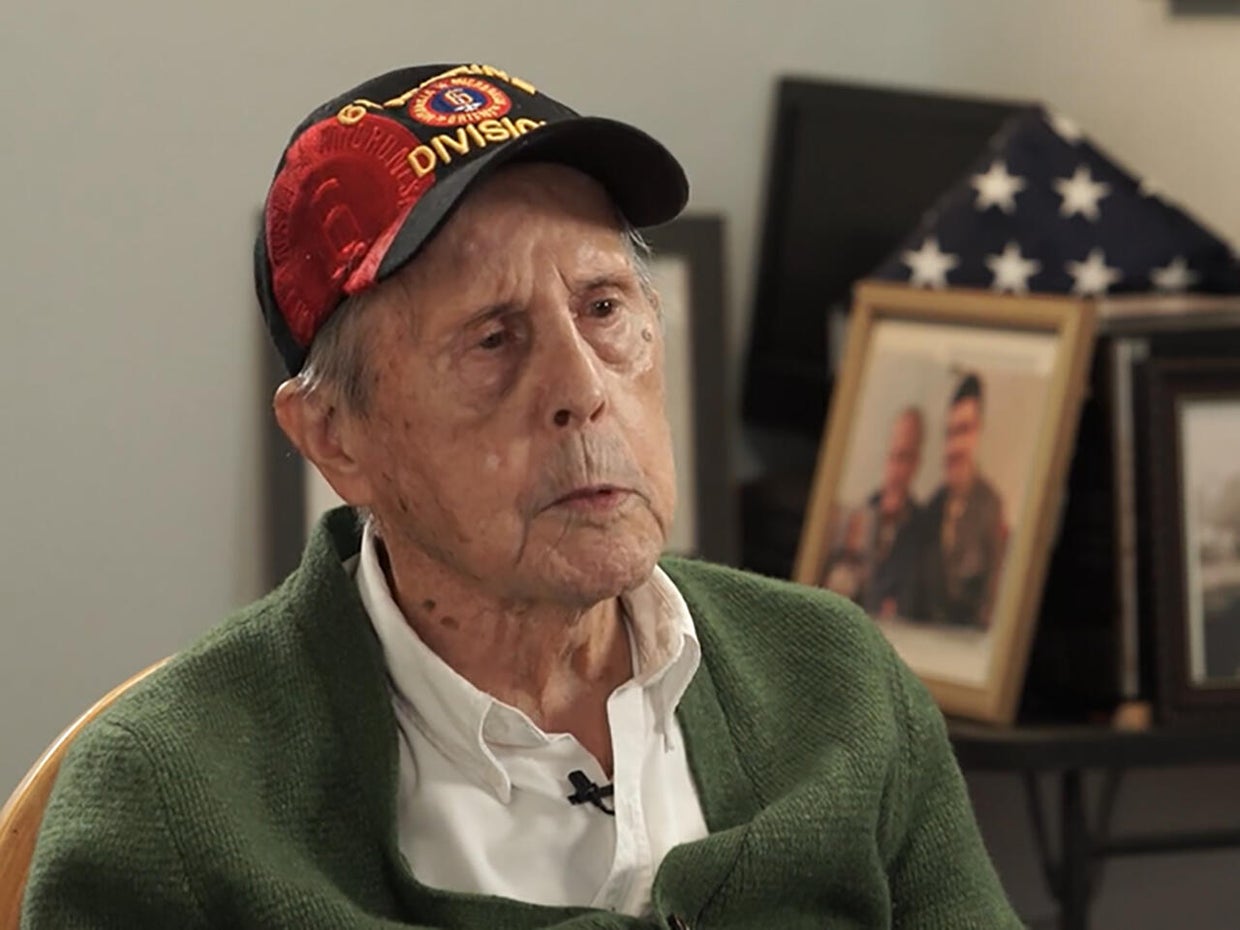
A football game was played on Guadalcanal shortly before the Marines shipped out for Okinawa. Now ninety-nine, Neal McCallum was there, having joined the Marine Corps ten days after his seventeenth birthday.
“I wanted to get in the war and do my part.”
The game ended in a tie
College football stars in the fourth and twenty-ninth Marine Regiments faced off. The final score was zero to zero. The colonel of the fourth Marines said he could not risk hurting his Marines before battle.
“Oh, it was a great game, back and forth, so it was a tie.”
Okinawa's devastating toll
The eighty-two-day Battle of Okinawa killed more than twelve thousand Americans, including fifteen of the football stars who played in the Mosquito Bowl. Japanese and Okinawan civilian losses were almost unimaginable.
Berg's goal: making war felt
Berg recreated the battle in a quarry in Australia. He wants audiences to feel the experience of war, not just think about it, so they never forget its human cost.
“I want you to feel like you're going through it. I want people to say, 'I felt that. I felt it. I didn't think about it, but I felt it.'”
The one thing
Director Peter Berg's film The Mosquito Bowl tells the true story of college football stars who joined the Marines after Pearl Harbor and fought at Okinawa, the last and costliest Pacific battle of World War II.