From Chicago Sun-Times · · 3m
Illinois medical aid in dying law takes effect
Terminally ill Illinoisans can now request life-ending medication, but access remains unclear and opposition persists.
In brief
Terminally ill Illinoisans can now request life-ending medication, but access remains unclear and opposition persists. Illinois joined 13 other states in legalizing medical aid in dying, but patients face barriers including lack of doctor directories, no insurance coverage, and ongoing legal challenges from religious…
Illinois legalizes medical aid in dying
Terminally ill Illinois residents with less than six months to live can now request medication to end their lives. The state joins 13 others and Washington, D.C., in legalizing the practice.
Named after cancer advocate Deb Robertson
The law is called Deb's Law, inspired by Deb Robertson, a former social worker from suburban Lombard with an aggressive form of cancer who spent years advocating for this right.
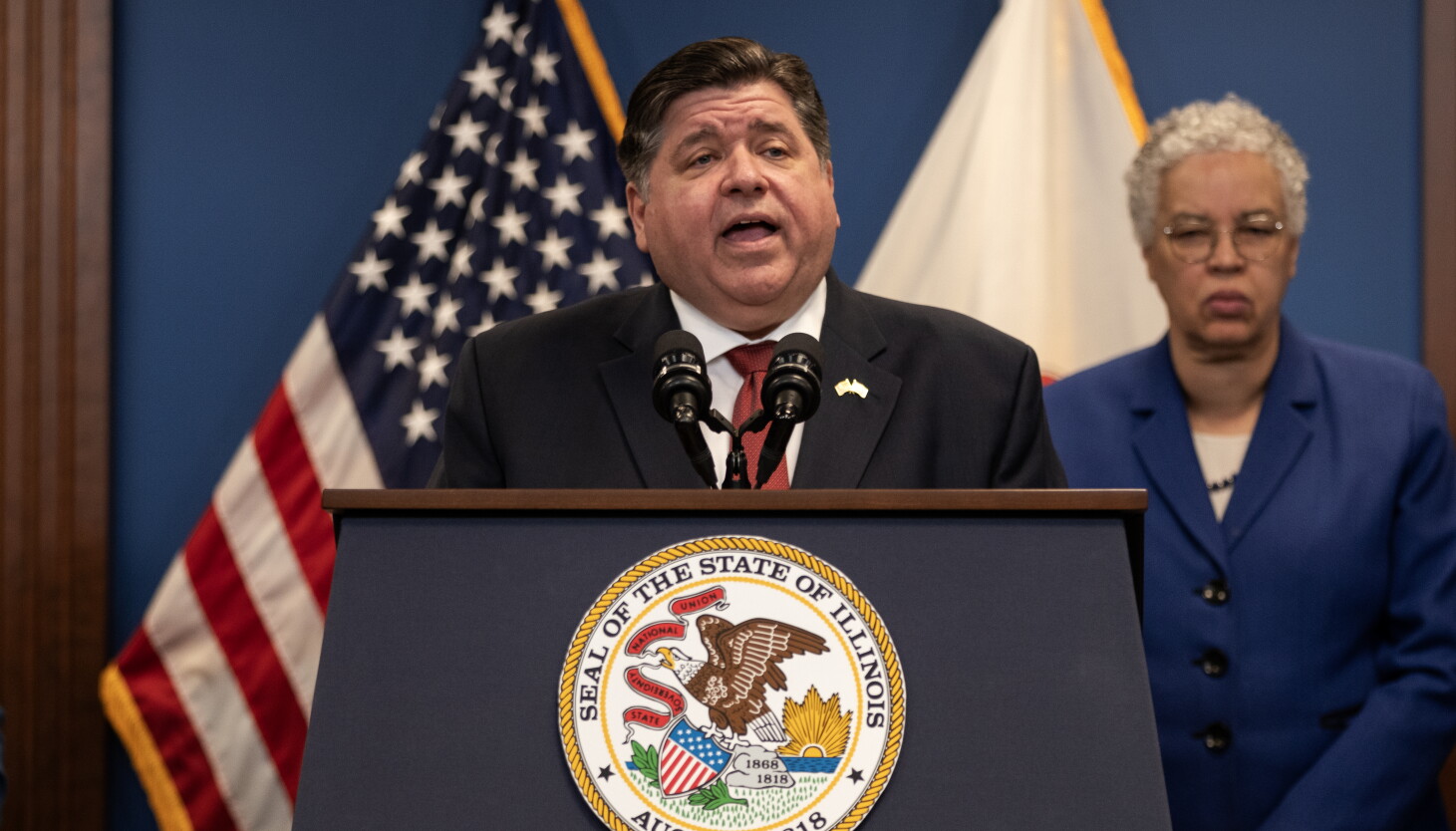
Pritzker signed it into law in December
Governor JB Pritzker signed the bill into law on December 12, 2025, after lawmakers passed it with a narrow 30-27 vote following emotional debate.
Three requests required to get medication
Patients must submit a written request and make two verbal requests at least five days apart. A second physician must also approve the request.
Waiting period can be waived
Doctors can skip the five-day waiting period for patients expected to die within five days, allowing faster access for those in immediate decline.
Medication is custom-prepared powder
The medication is typically a mixture of several drugs specially prepared into a powder that patients mix into water or juice. Patients must be able to swallow it or take it through a feeding tube.
Doctors must inform patients of risks
Physicians must tell patients about potential risks, likely outcomes, their right to rescind the request, and that they don't have to take the medication.
Mental health screening available
If doctors have concerns about a patient's mental capacity, they can refer them to a mental health provider who can halt the process.
No directory of participating doctors
Illinois has no directory of doctors or pharmacies offering medical aid in dying. Patients must largely navigate this on their own, though doctors must help refer them to willing physicians.
Hospice groups frustrated by lack of guidance
The state had nine months to prepare but provided little guidance. Hospice organizations say patients are already asking about the law, but there's no one to refer them to.
Most hospitals still deciding participation
Most hospice members don't plan to write prescriptions, but many would refer patients to doctors who would. Hospitals are still figuring out their approach, while religiously affiliated centers have already opted out.
Insurance typically won't cover medication
There are no requirements that insurers cover the cost of medication, and they typically don't. The medication can cost 600 to 1,000 dollars out of pocket in some states.
Language barriers pose access challenges
Finding a physician who speaks your language or having access to interpreters can be difficult, creating another barrier for non-English speaking patients.
Catholic leaders challenge law in court
Cardinal Blase Cupich in Chicago is part of a federal lawsuit alleging medical aid in dying is unconstitutional and denies Catholics the choice to die naturally.
Muslim doctors file religious objection
A group of Muslim doctors filed a new lawsuit saying the state law violates their religious beliefs about end-of-life care.
Over 12,000 used medication nationwide
In the roughly 30 years since Oregon passed the first medical aid in dying law, more than 20,000 people received prescriptions, with at least 12,000 ingesting the medication.
The one thing
Illinois joined 13 other states in legalizing medical aid in dying, but patients face barriers including lack of doctor directories, no insurance coverage, and ongoing legal challenges from religious groups.