From Climbing · Jason D. Martin · · 1m 10s
12-Point Trad Anchor Rubric
A 12-point rubric helps climbers evaluate anchor strength with precise point values for each piece.
In brief
A 12-point rubric helps climbers evaluate anchor strength with precise point values for each piece. Climbers use a 12-point system to assess anchor reliability by assigning point values to each piece, aiming for a minimum of 12 points. Originally reported by Climbing.
Quick answers
- What is the 12-Point Anchor Rubric?
- It assigns point values to each piece in an anchor to assess overall reliability.
- Why Use the 12-Point System?
- It helps climbers evaluate piece strength and avoid weak anchors that could lead to catastrophe.
- What Happens Next?
- New leaders should build dozens of anchors on the ground before venturing into real terrain with mentorship.
- What is the key takeaway from 12-Point Trad Anchor Rubric?
- Climbers use a 12-point system to assess anchor reliability by assigning point values to each piece, aiming for a minimum of 12 points.
What is the 12-Point Anchor Rubric?
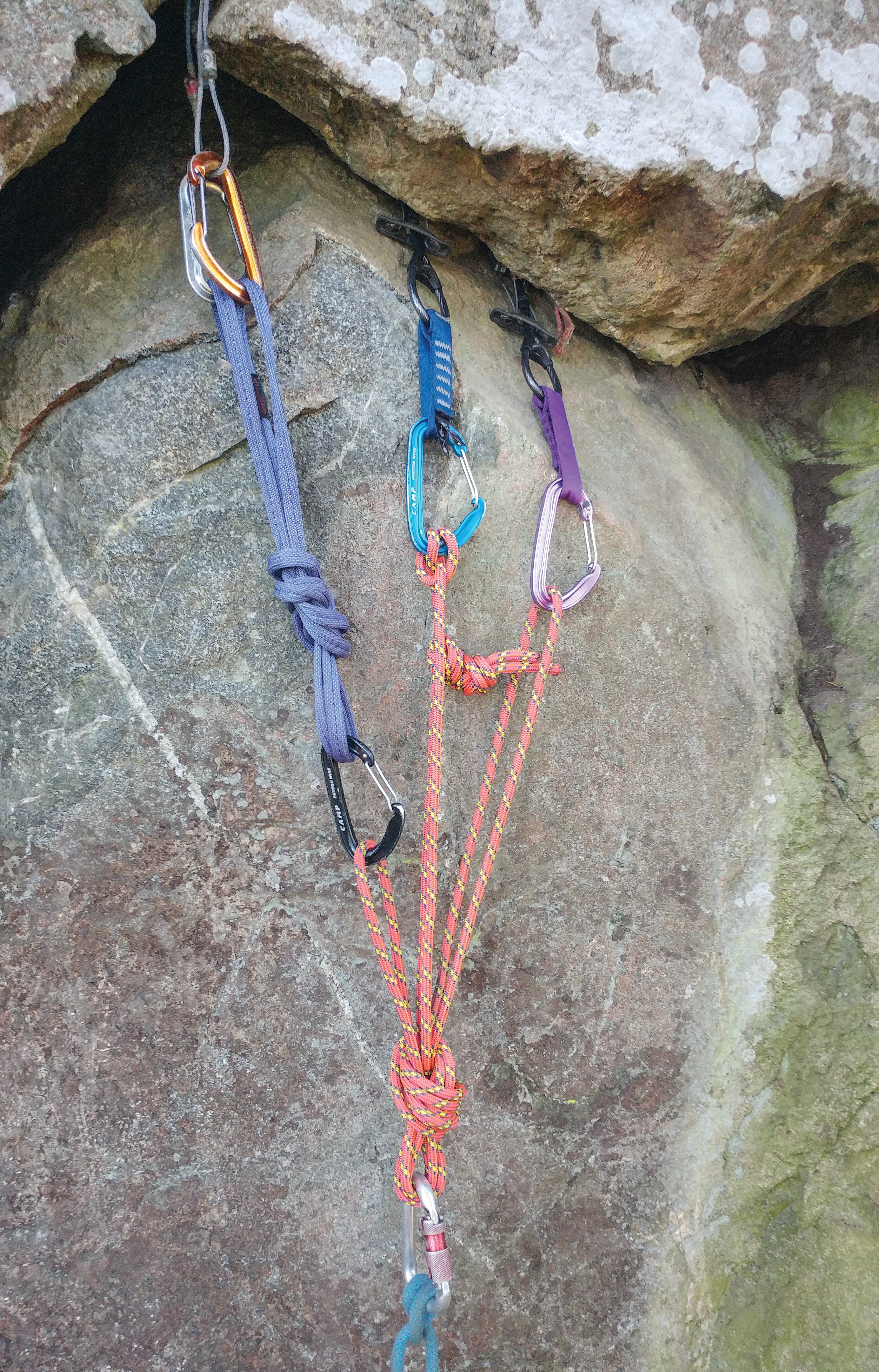
It assigns point values to each piece in an anchor to assess overall reliability.
Three-Piece Anchor Security
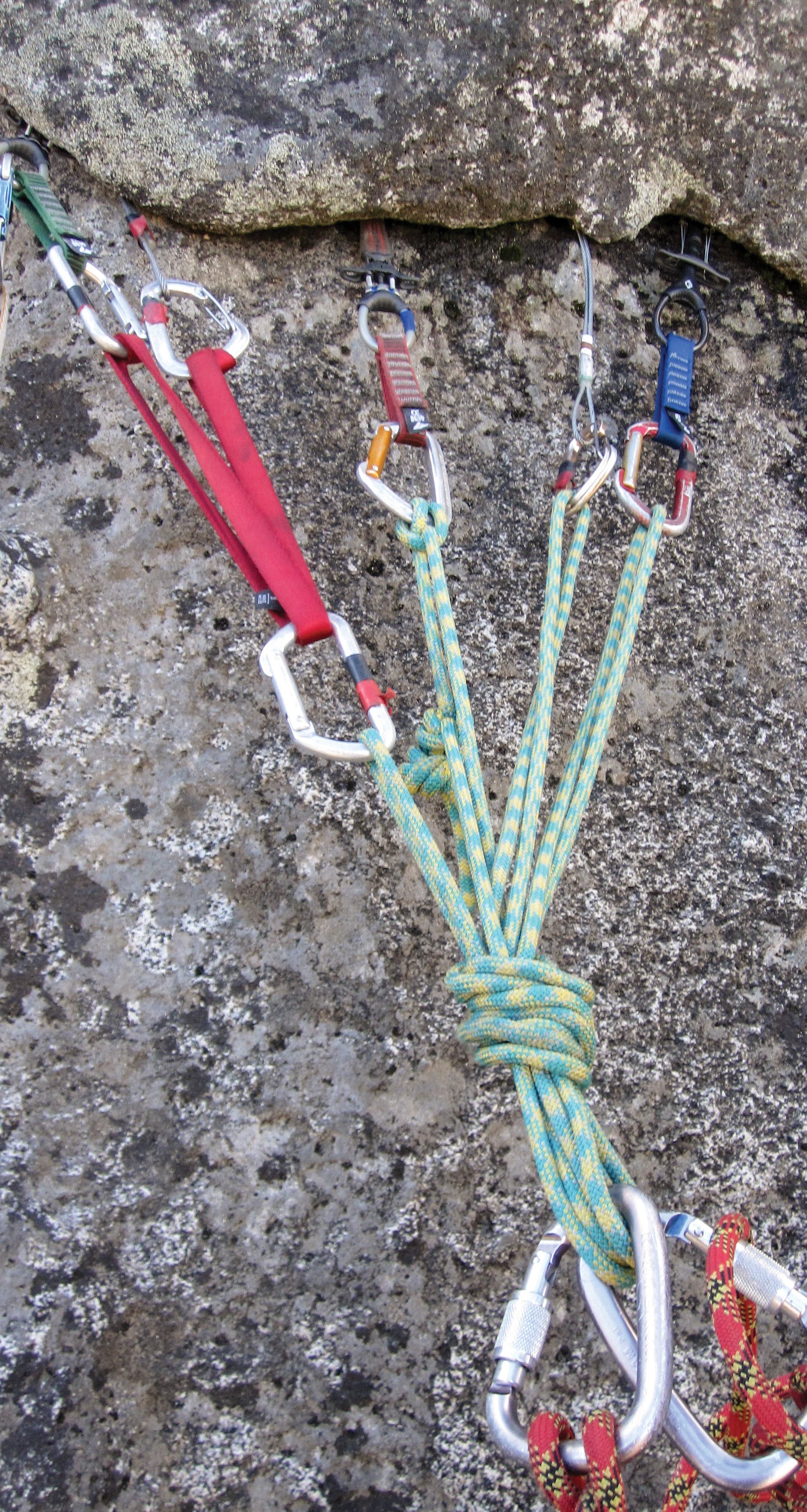
An equalized anchor with three good pieces provides 12-point security.
Why Use the 12-Point System?
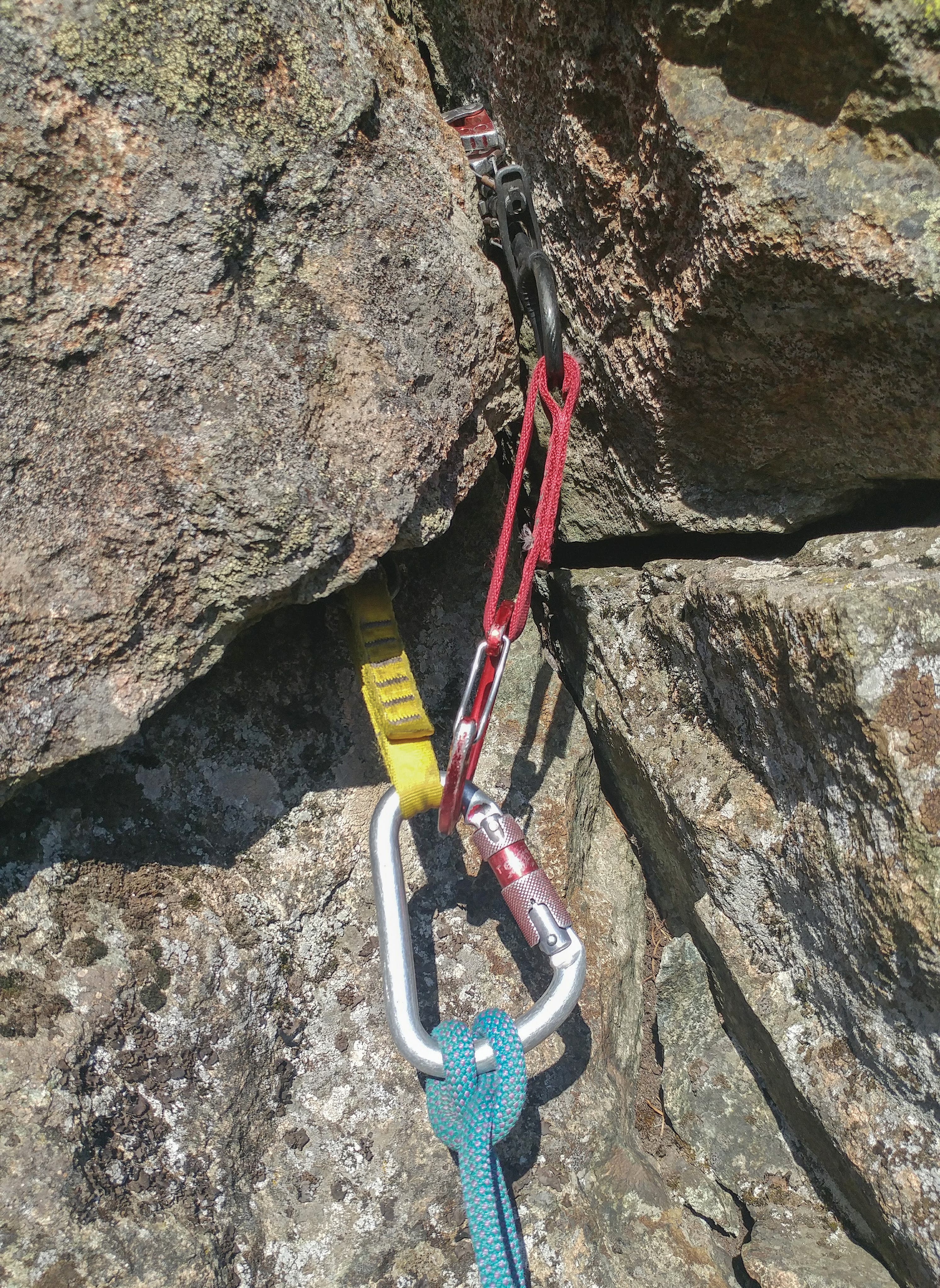
It helps climbers evaluate piece strength and avoid weak anchors that could lead to catastrophe.
Point Values for Pieces
A four-point piece holds a substantial fall; a three-point piece holds a 10- to 15-foot fall.
Alpine Anchor Challenges
Alpine anchors often use two pieces, providing 8 points, and climbers add 4 points through stance and belay technique.
Anchor Examples
A large boulder or tree with a solid root base provides 12 points; a bolt gives 6 points.
What Happens Next?
New leaders should build dozens of anchors on the ground before venturing into real terrain with mentorship.
The takeaway
Climbers use a 12-point system to assess anchor reliability by assigning point values to each piece, aiming for a minimum of 12 points.