From Climbing · Ryleigh Norgrove · · 2m
El Niño Winter Climbing Shifts
Super El Niño changes winter climbing conditions across North America and Southern Hemisphere.
In brief
Super El Niño changes winter climbing conditions across North America and Southern Hemisphere. Super El Niño increases wet weather in North American winter climbing zones while creating drier conditions in parts of the Pacific Northwest and central Idaho. Originally reported by Climbing.
Super El Niño Winter Conditions
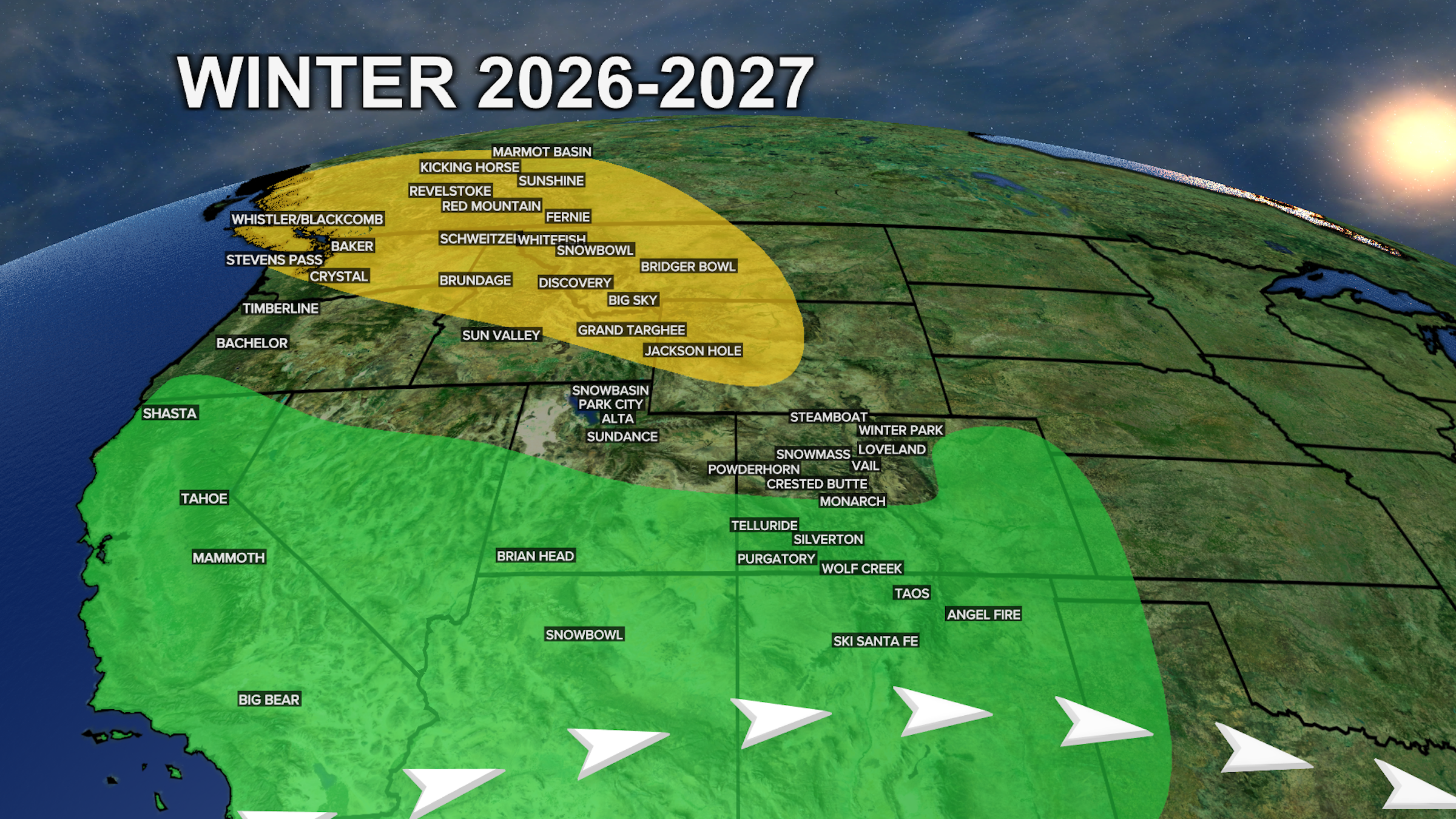
Super El Niño increases wet weather in North American winter climbing zones while creating drier conditions in parts of the Pacific Northwest and central Idaho.
North America Winter Climbing Shifts
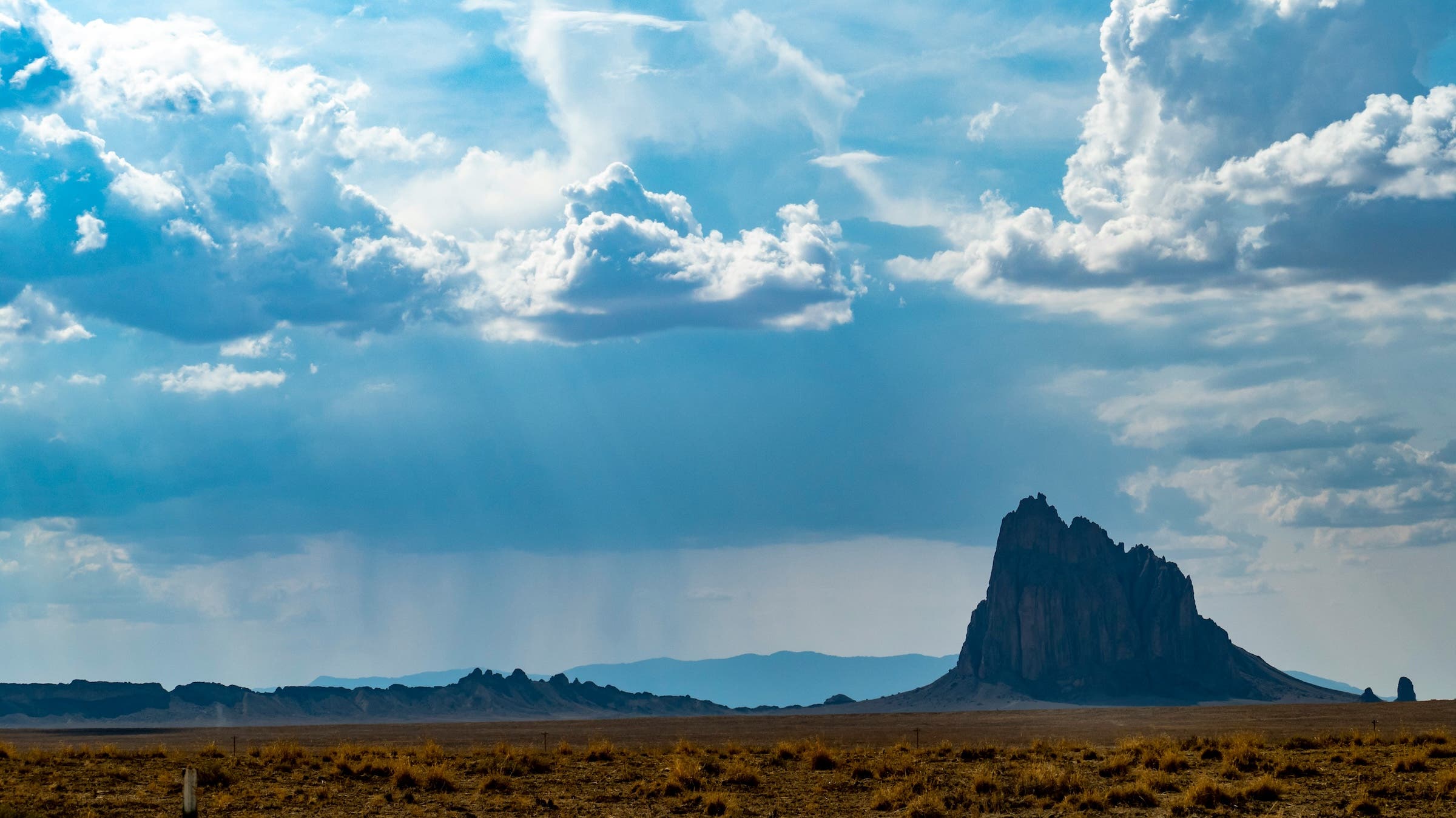
From October through December, NOAA says there’s a 75% chance the El Niño intensity exceeds any previous event in the record dating back to the 1950s.
Southern U.S. Climbing Conditions
Southern Utah, Southern Colorado, Arizona, and New Mexico will see more consistent precipitation starting in November, according to Chris Tomer.
Joshua Tree and Hueco Tanks
Red Rock, Joshua Tree, and El Potrero Chico could see more wet and cloudy days than usual for winter rock climbing.
Pacific Northwest Drier Zones
Pacific Northwest, central and northern Idaho, western Montana, and northwest Wyoming will be warmer and drier than normal from November through March.
Southern Hemisphere Impact
El Niño shifts weather patterns in the Andes and New Zealand Alps, affecting alpine climbing conditions.
Patagonia Climbing Conditions
In southern Patagonia, El Niño has weaker influence compared to northern Patagonia, where weather patterns are more predictable.
Chaltén and Paine Weather
Chaltén and Torres del Paine may see less stormy weather, potentially less wind and precipitation due to higher-than-normal mean sea-level pressure.
Cochamó Climbing Conditions
Cochamó in Chile will likely see wetter, warmer, and more humid conditions due to stronger El Niño influence.
Andean Winter Conditions
Central Andes around Chile and Argentina may see wetter winters and bigger snowpacks, while tropical Andes experience more erratic weather.
New Zealand Alpine Conditions
El Niño brings stronger winds to New Zealand’s western side of the Southern Alps, increasing rain while the eastern side stays relatively dry.
U.S. Ice Climbing Conditions
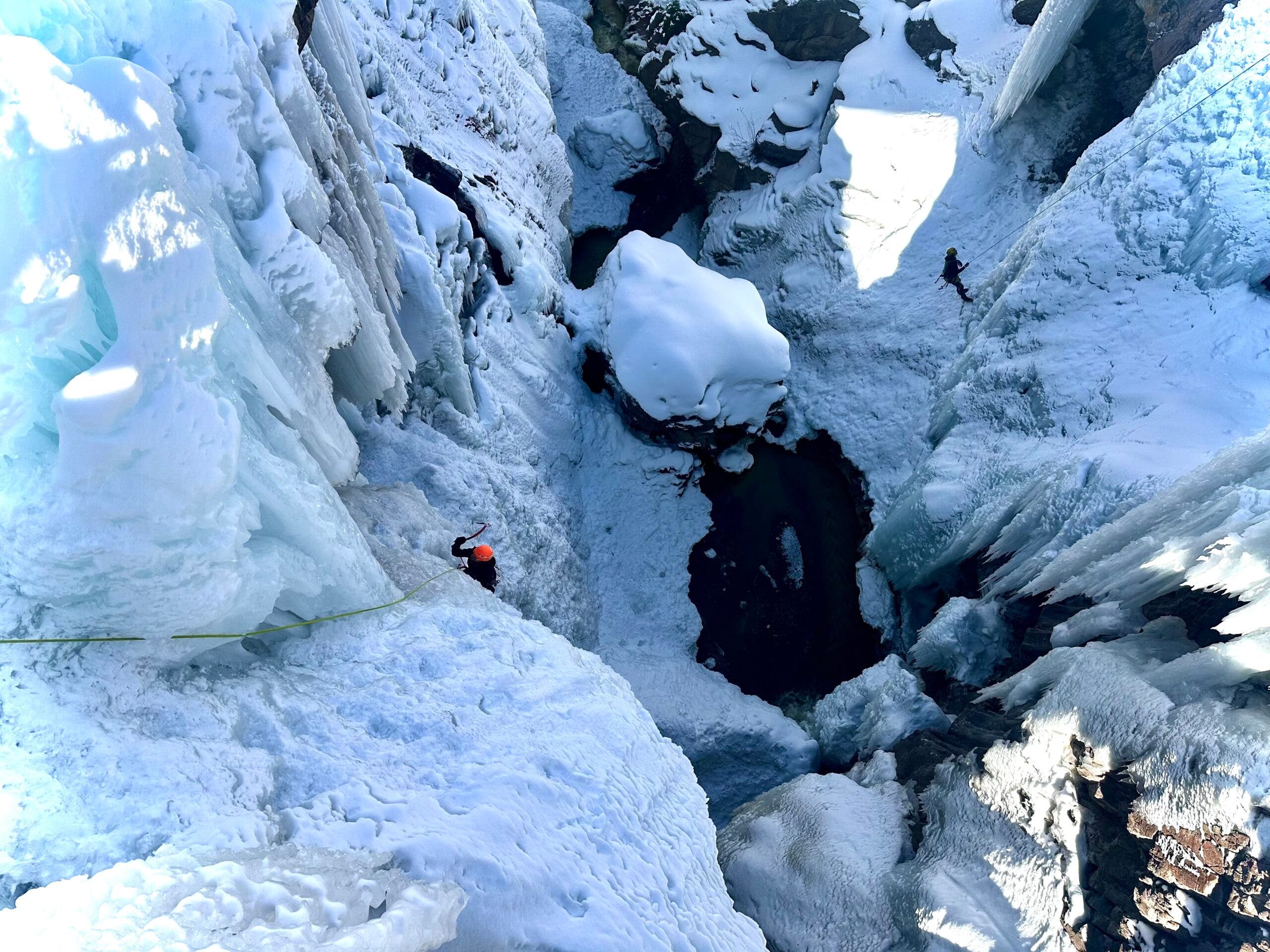
Warmer temperatures may push the freezing level higher, creating unpredictable ice conditions and increasing avalanche risks.
Winter Ice Forecast
Ice parks may struggle to maintain climbable ice with warmer temperatures, while higher elevations become better bets for stable ice.
Climbing Planning Tips
For trips months away, use Copernicus Climate Change Service models; for specific weather, rely on local forecasts and avalanche reports.
What matters most
Super El Niño increases wet weather in North American winter climbing zones while creating drier conditions in parts of the Pacific Northwest and central Idaho.