From Climbing · Molly Mitchell · · 2m
Molly Mitchell: Why I Quit Climbing
Molly Mitchell quit climbing after two years of mental health struggles, finding strength in returning to the sport she loved.
In brief
Molly Mitchell quit climbing after two years of mental health struggles, finding strength in returning to the sport she loved. Molly Mitchell quit climbing after two years of mental health struggles, returning to the sport she loved. Originally reported by Climbing.
The fall
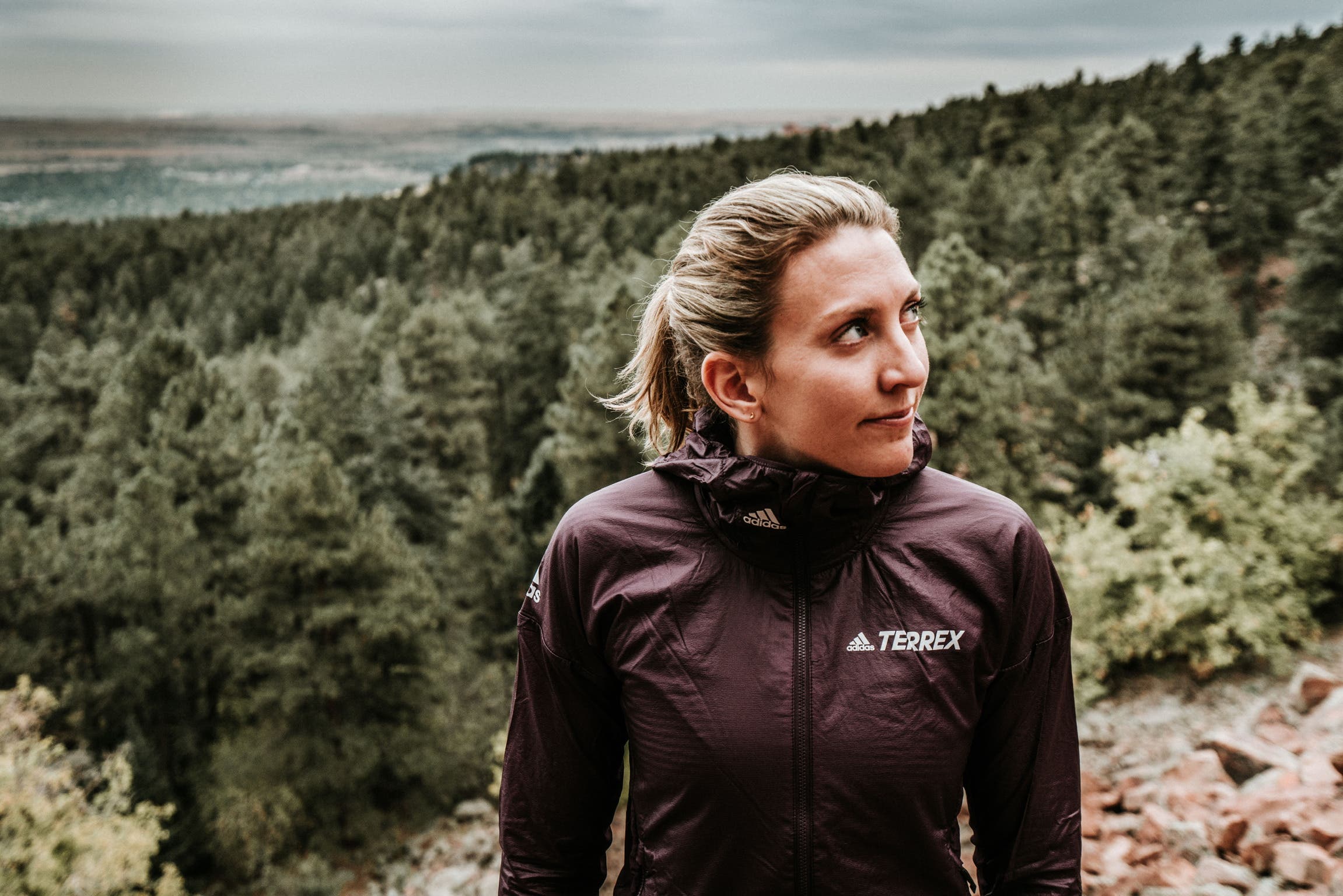
Molly Mitchell broke her back while attempting a dangerous 5.13+ route in Boulder Canyon, Colorado, on October 1, 2020.
“i clipped two bitches”
The send
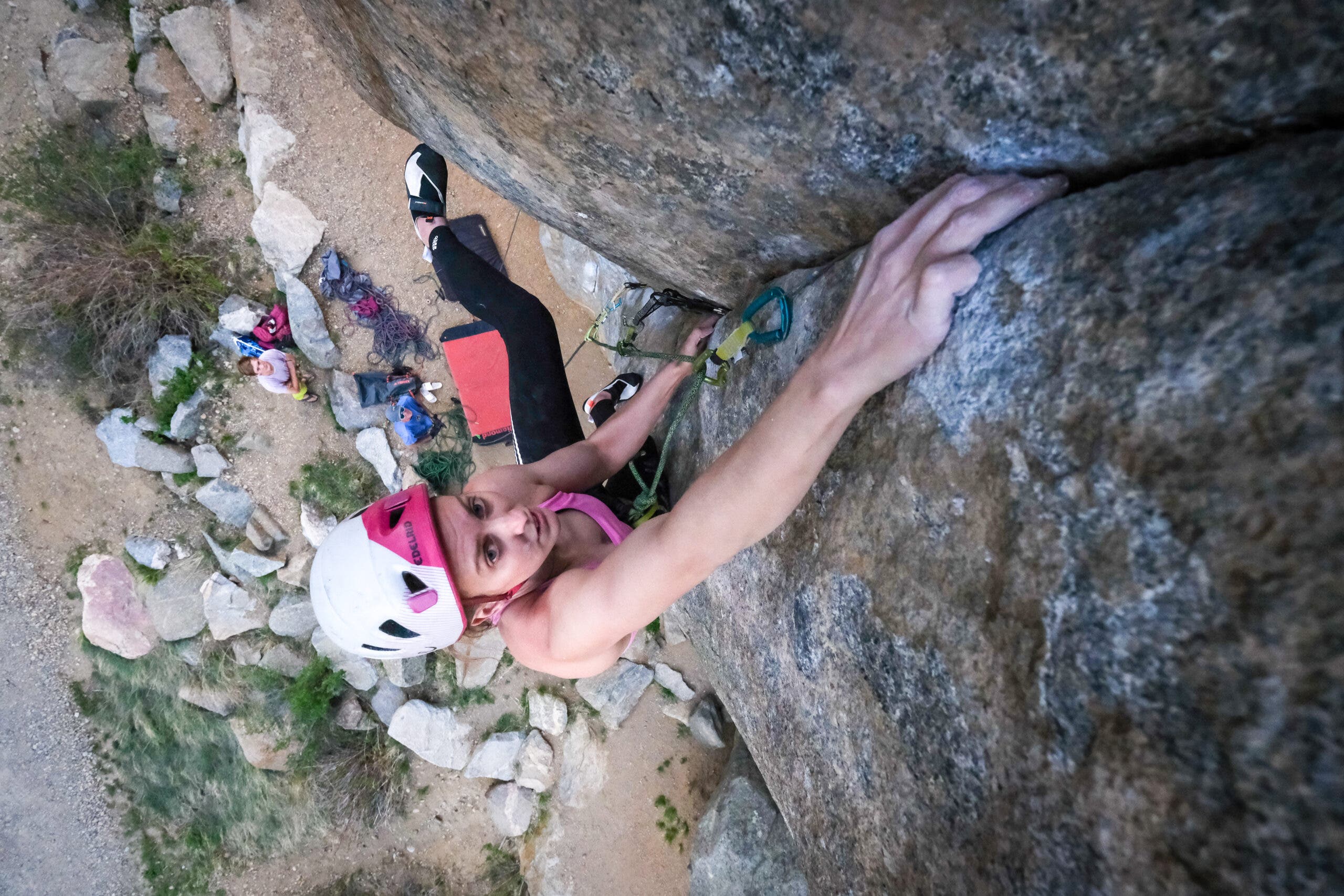
Molly sent the 5.13+ route Crank It on May 16, 2022, after two years of recovery and mental health struggles.
“it really ain t over until you clip the chains”
The shift
Molly realized she loved the danger of climbing more than the sport itself, leading her to seek stability outside the climbing community.
“i loved the parts that made people s eyes get wide”
The relationship
Molly moved to Denver with her new partner in 2025, but their relationship deteriorated due to infidelity and mental health issues.
“i think you d be such a bad mother because you pull out your own hair”
The crisis
Molly experienced trichotillomania, depression, and a three-day drug-fueled sleep cycle in December 2025.
“i had slept for three days straight after being drugged at a restaurant”
The treatment
Molly checked into a mental health treatment center in March 2026 for 45 days, focusing on recovery and self-worth.
“why can t i have my shoelaces”
The return
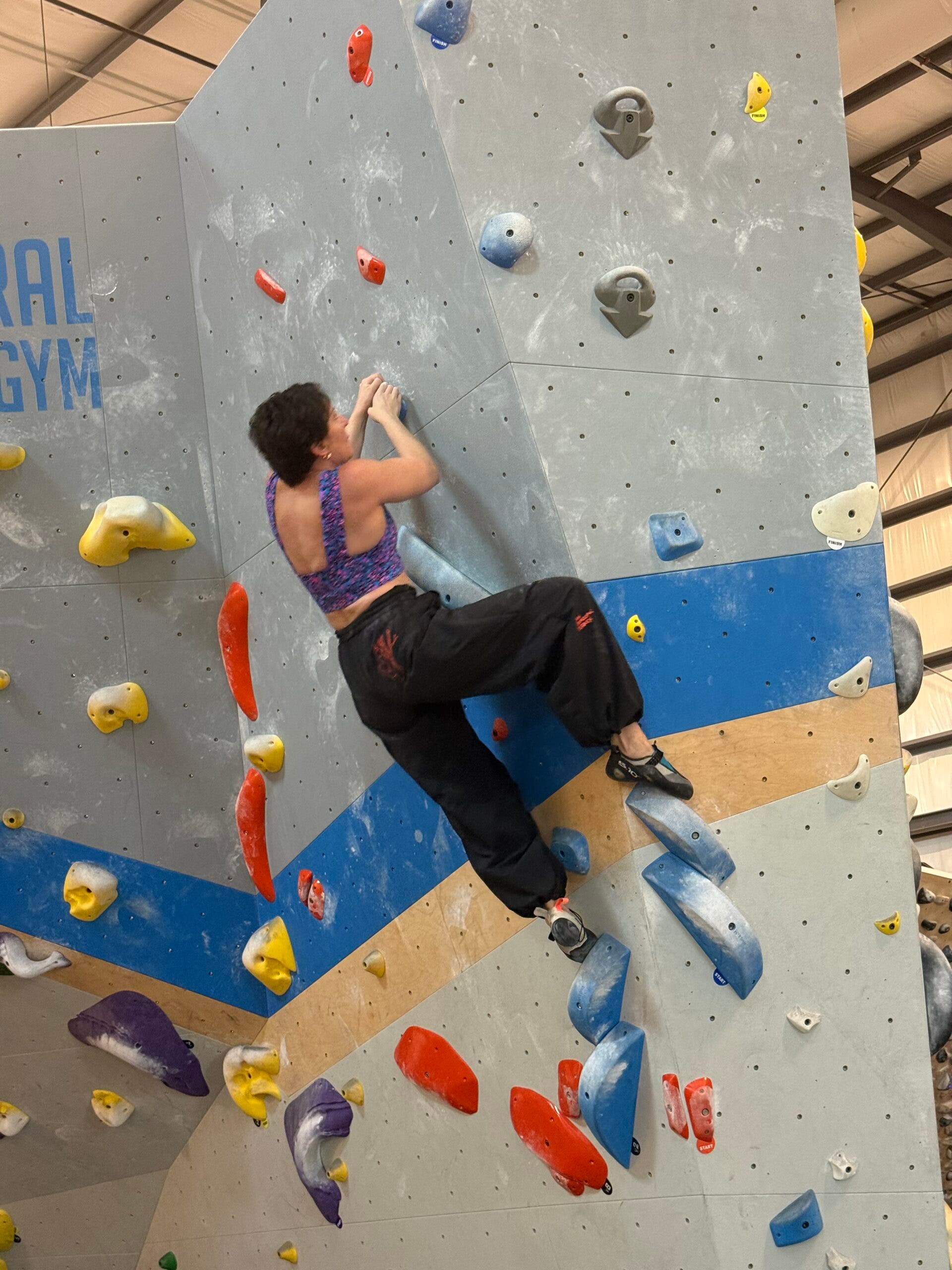
Molly returned to climbing in August 2026 at Central Rock Fort Myers, feeling both scared and hopeful about her progress.
“i want to climb because i love climbing that s it”
The future
Molly plans to help aspiring athletes understand that their worth is bigger than their performance and mental health.
“i want them to know that they are allowed to change”
The journey
Molly has been climbing for about an hour before her forearms give out, but she finds strength in the process rather than proving herself.
“sometimes strength is walking away”
The realization
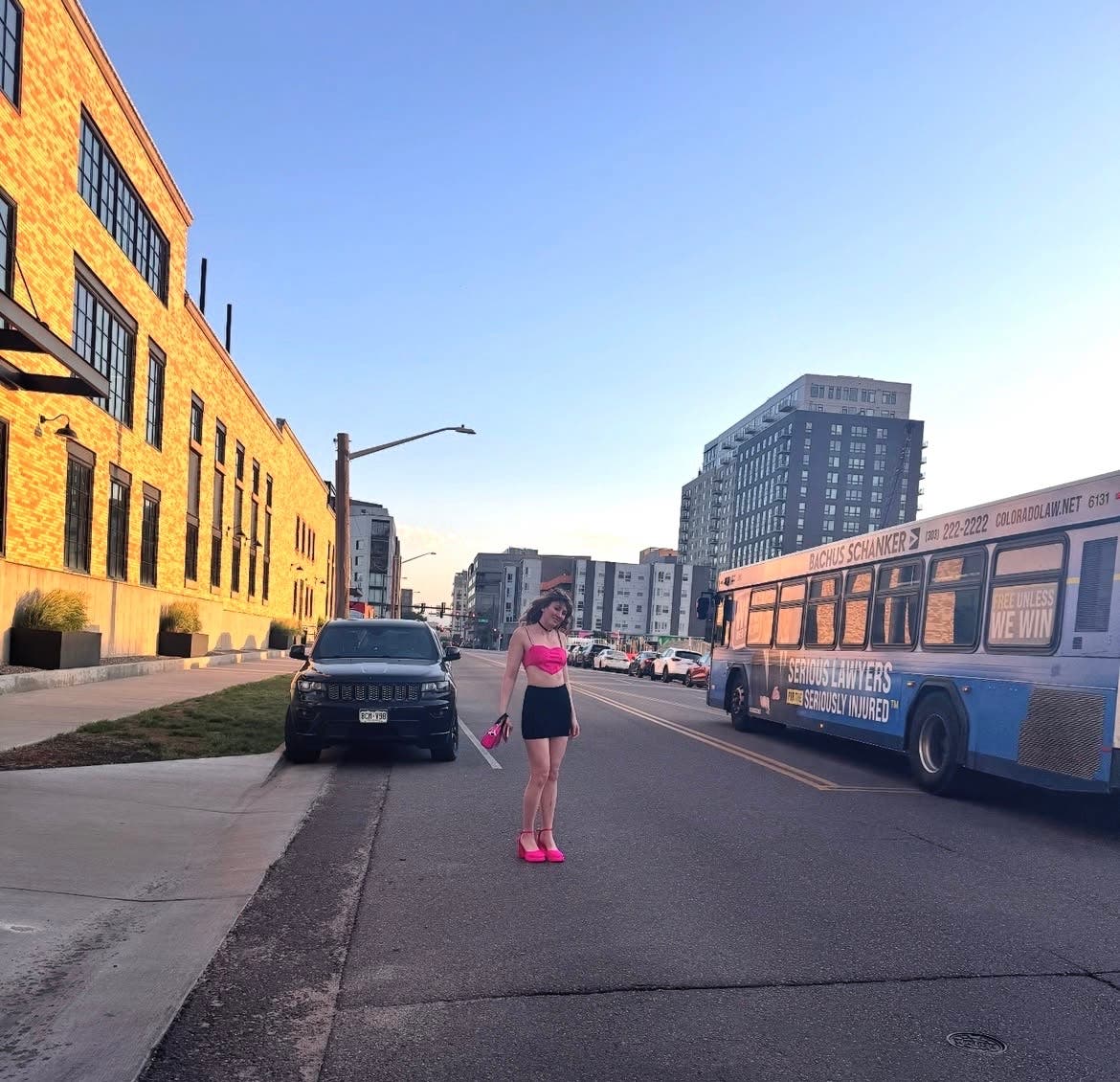
Molly understands that the biggest threat to her mental health came from within, not from the climbing walls.
“i never learned how dangerous it could be to stay there”
The recovery

Molly has been to the gym a handful of times since August 2026 and plans to keep climbing for mental health awareness.
“i am becoming a climber again”
The next step
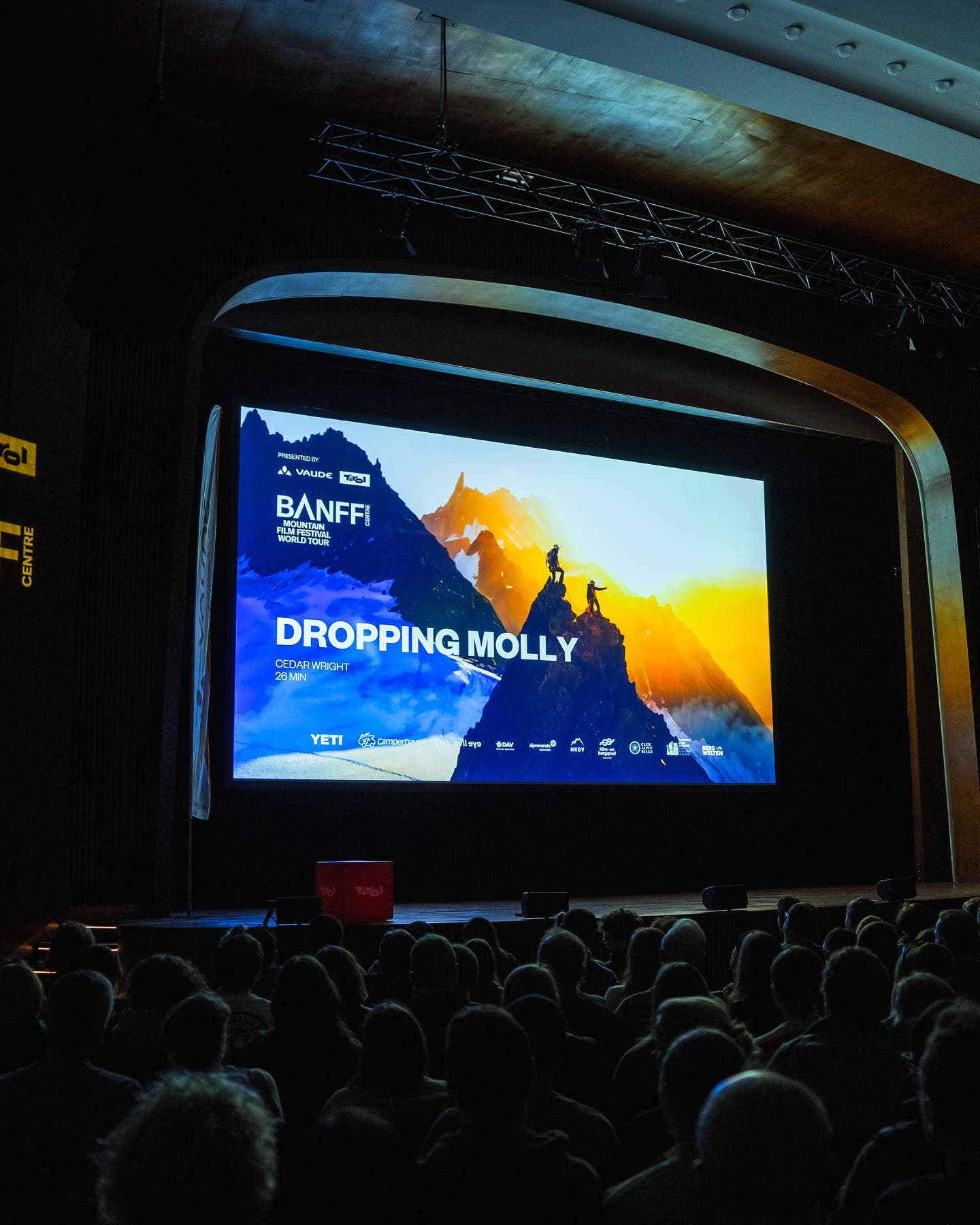
Molly will show her film at the gym and use proceeds to support mental health causes related to climbing.
“all proceeds will go to a meaningful cause related to climbing and mental health”
The healing
Molly has stopped pulling her hair and is working on rebuilding her life piece by piece.
“i am slowly piece by piece move by move”
The identity
Molly no longer needs to prove she is fearless or capable of handling pain to be loved.
“i don t need to prove that i m fearless”
The change
Molly has found strength in accepting that her mental health is more important than climbing performance.
“i want to climb because i love climbing that s it”
The future
Molly plans to help athletes understand that their worth is bigger than their achievements and mental health.
“i want them to know that they are allowed to change”
The bottom line
Molly Mitchell quit climbing after two years of mental health struggles, returning to the sport she loved.