From Collider · Michael John Petty · · 2m
C.S. Lewis' Ransom Trilogy Blends Sci-Fi and Fantasy
C.S. Lewis' Ransom Trilogy combines pulpy sci-fi with theological depth, creating a cosmic fantasy that reshapes modern speculative fiction.
In brief
C.S. Lewis' Ransom Trilogy combines pulpy sci-fi with theological depth, creating a cosmic fantasy that reshapes modern speculative fiction. C.S. Lewis' Ransom Trilogy masterfully blends science fiction and fantasy with theological themes, becoming his most underappreciated work. Originally reported by Collider.
The Ransom Trilogy
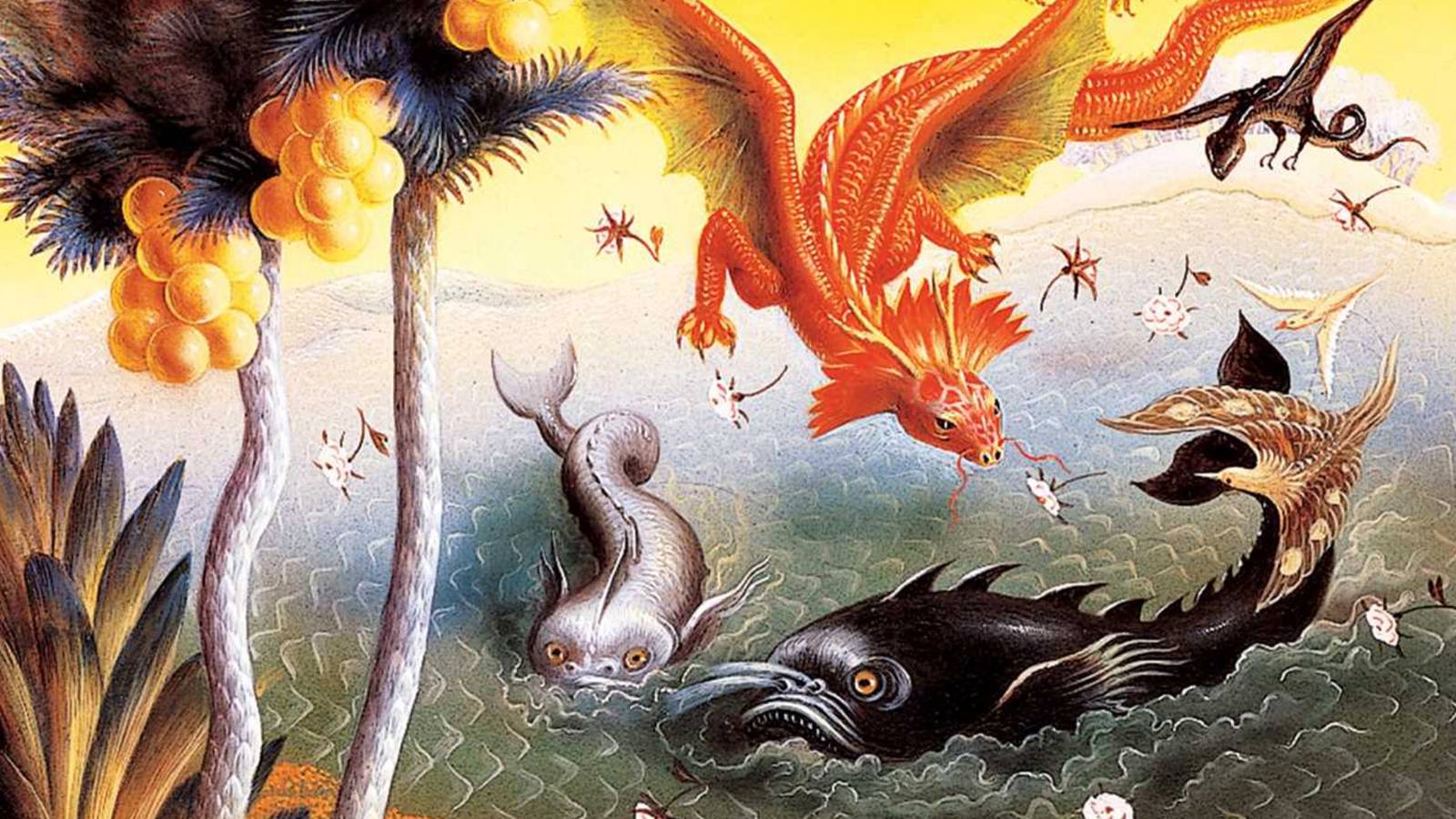
C.S. Lewis penned The Ransom Trilogy, a series of books that blend science fiction and fantasy with theological depth.
Publication Timeline
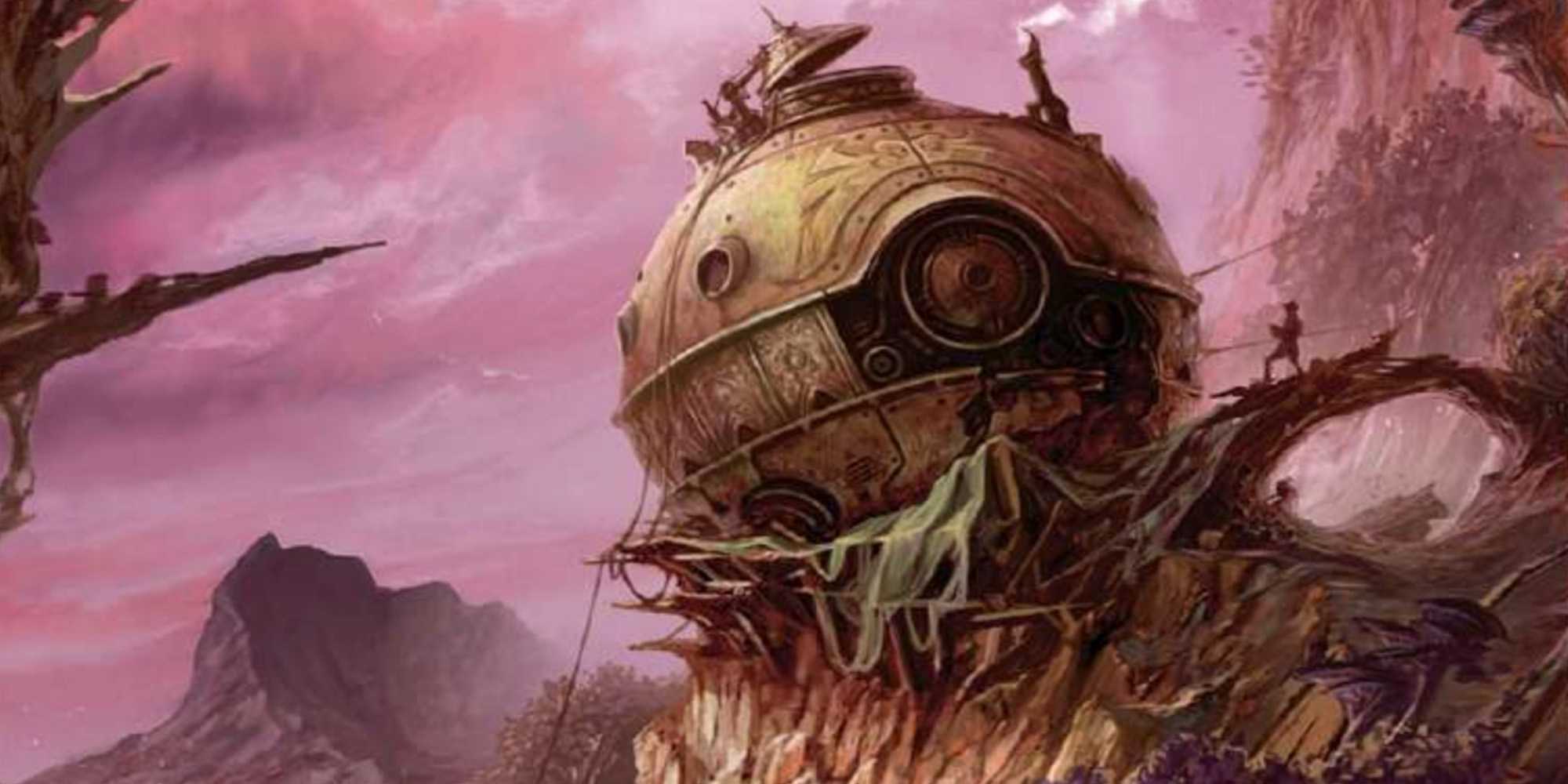
The trilogy began in 1938 with Out of the Silent Planet, followed by Perelandra in 1943, and concluded with That Hideous Strength in 1945.
First Book: Out of the Silent Planet
Dr. Elwin Ransom is kidnapped by scientists and transported to Mars, where he encounters alien lifeforms.
Second Book: Perelandra
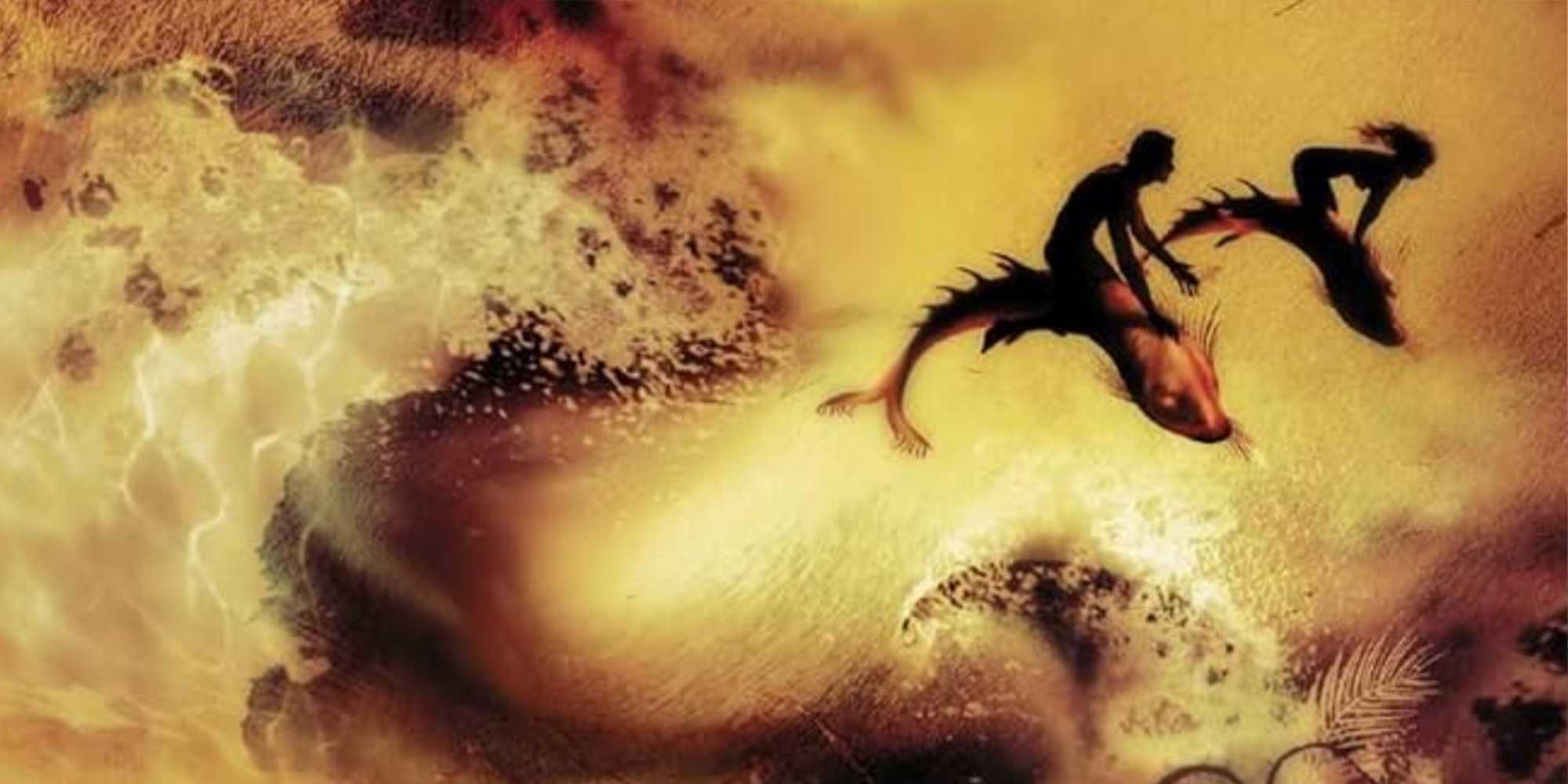
Ransom journeys to Venus, where he faces spiritual threats to a Garden of Eden-like world.
Third Book: That Hideous Strength
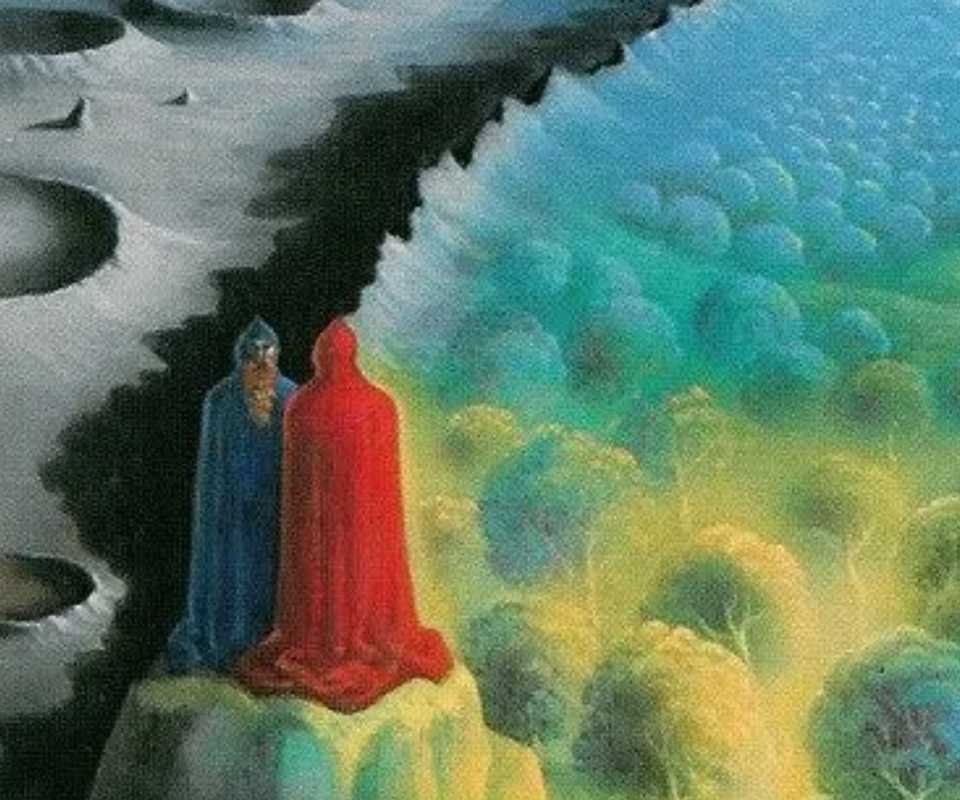
The trilogy concludes on Earth with a dystopian organization aiming to control society through moral degradation.
Theological Themes
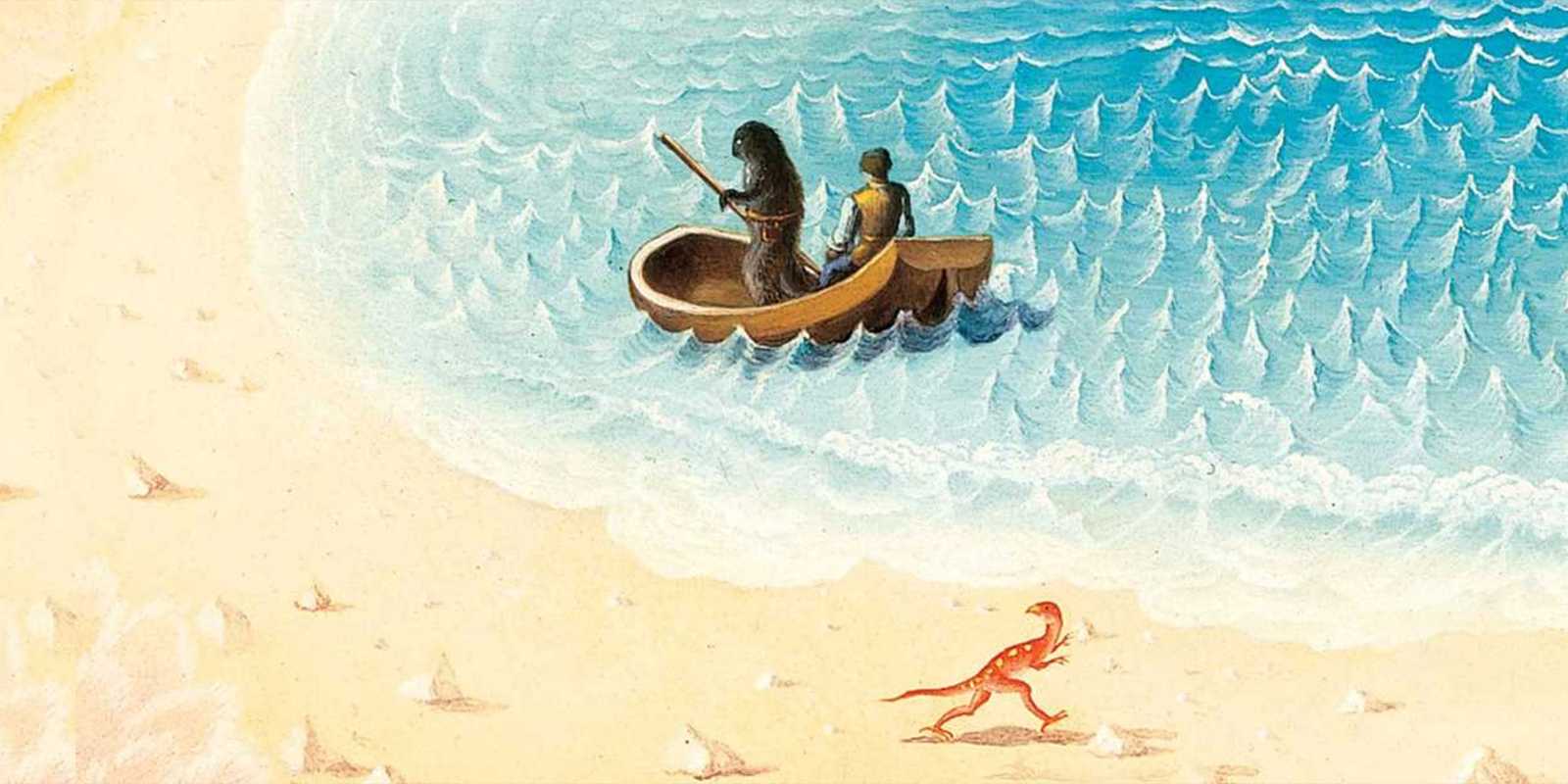
Lewis connects alien overseers to angels and demons, with Earth as the final battleground for spiritual conflict.
Oyarsa and Maleldil
Earth's Oyarsa, the 'Bent One,' rebels against the creator Maleldil, who resembles Aslan in Narnia.
Connection to Tolkien
The trilogy references Tolkien's Númenor kingdom, linking Lewis' work to Middle-earth lore.
Underappreciated Work

The Ransom Trilogy is Lewis' most underappreciated work, masterfully combining sci-fi and fantasy with theological themes.
Theological Depth
Lewis integrates deep theological arguments into the sci-fi narrative, making it thought-provoking and entertaining.
Alien Cultures
Alien species like the hross and sorns have distinct cultures that feel lived-in and developed.
Theological Significance
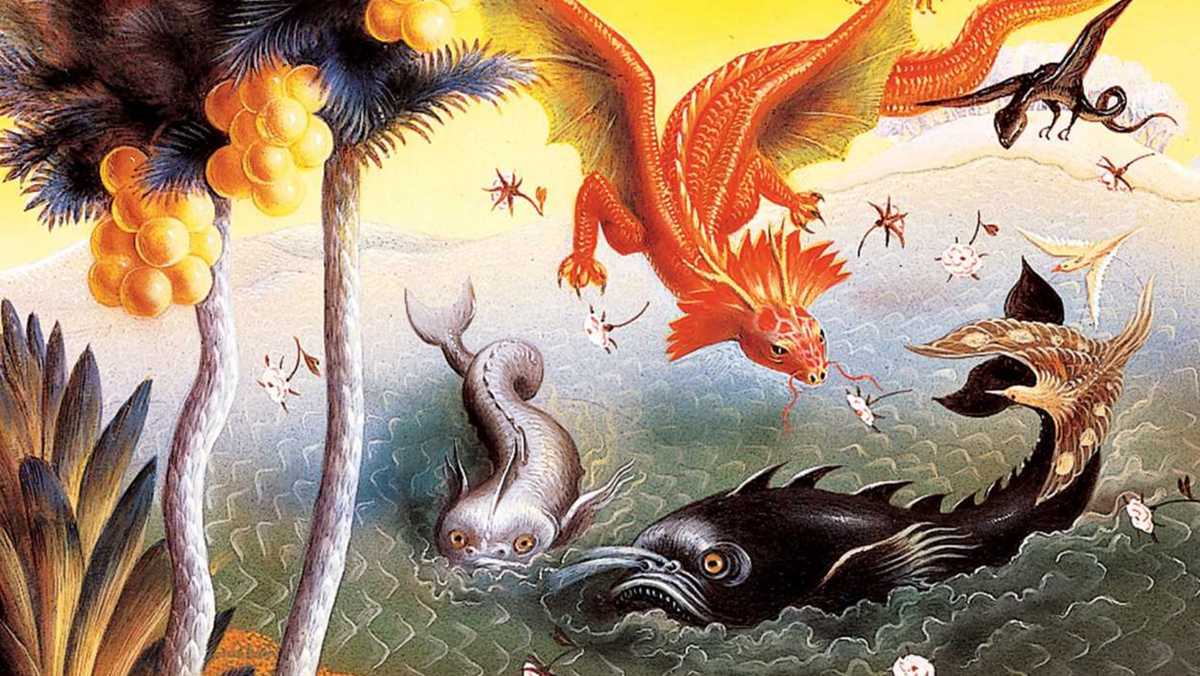
The trilogy's themes connect to biblical angels and demons, with Lewis' later work on Aslan.
Unfinished Sequel
Lewis initially planned a sequel, The Dark Tower, which remains unfinished and unconnected to Stephen King's series.
The Screwtape Letters
Lewis attributed The Screwtape Letters to be discovered by Ransom, linking it to the eldila and biblical angels.
Comparison to Narnia
The Ransom Trilogy is less popular than The Chronicles of Narnia but offers a more complex narrative.
Adaptation Status
The Ransom Trilogy has not been adapted for film or television, unlike The Chronicles of Narnia.
The one thing
C.S. Lewis' Ransom Trilogy masterfully blends science fiction and fantasy with theological themes, becoming his most underappreciated work.