From Collider · Victoria Luxford · · 1m 20s
Nolan's Dark Knight Final Line Defines Career
Christopher Nolan's Dark Knight ending reveals his career-long theme of heroism's complexity.
In brief
Christopher Nolan's Dark Knight ending reveals his career-long theme of heroism's complexity. Christopher Nolan's Dark Knight ending frames Batman as a villain to highlight his career's exploration of heroism's contradictions. Originally reported by Collider.
Dark Knight's Final Line

The Dark Knight ends with Gary Oldman's character James Gordon telling his son Batman is a 'silent guardian, a watchful protector... a Dark Knight'.
“He’s a silent guardian, a watchful protector… a Dark Knight.”
Gordon's Decision
Gordon frames Harvey Dent for murders to secure his legacy as a hero after Batman's death.
Realism in Gotham
Nolan's Gotham has no superpowers, using real-world threats like the Joker to explore heroism without magic.
Heroism's Complexity
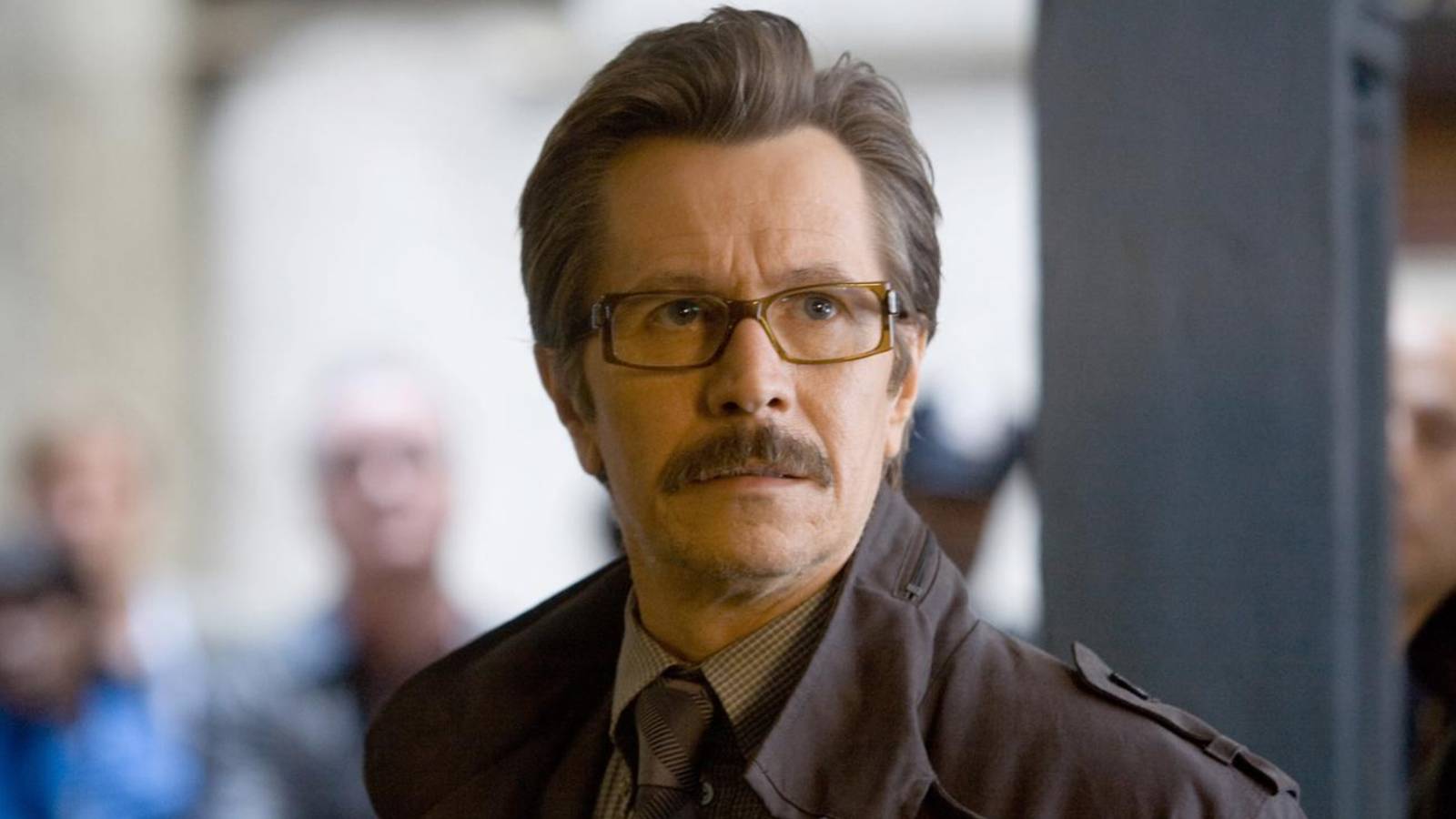
Batman's heroism is misunderstood, showing how legends can be multi-faceted and not always celebrated.
Nolan's Career Pattern
From Memento to Oppenheimer, Nolan deconstructs heroes as flawed figures with historical or personal guilt.
The Dark Knight's Message
The film shows Batman as a villain to reveal heroism's contradictions and the cost of being misunderstood.
Nolan's Heroic Themes
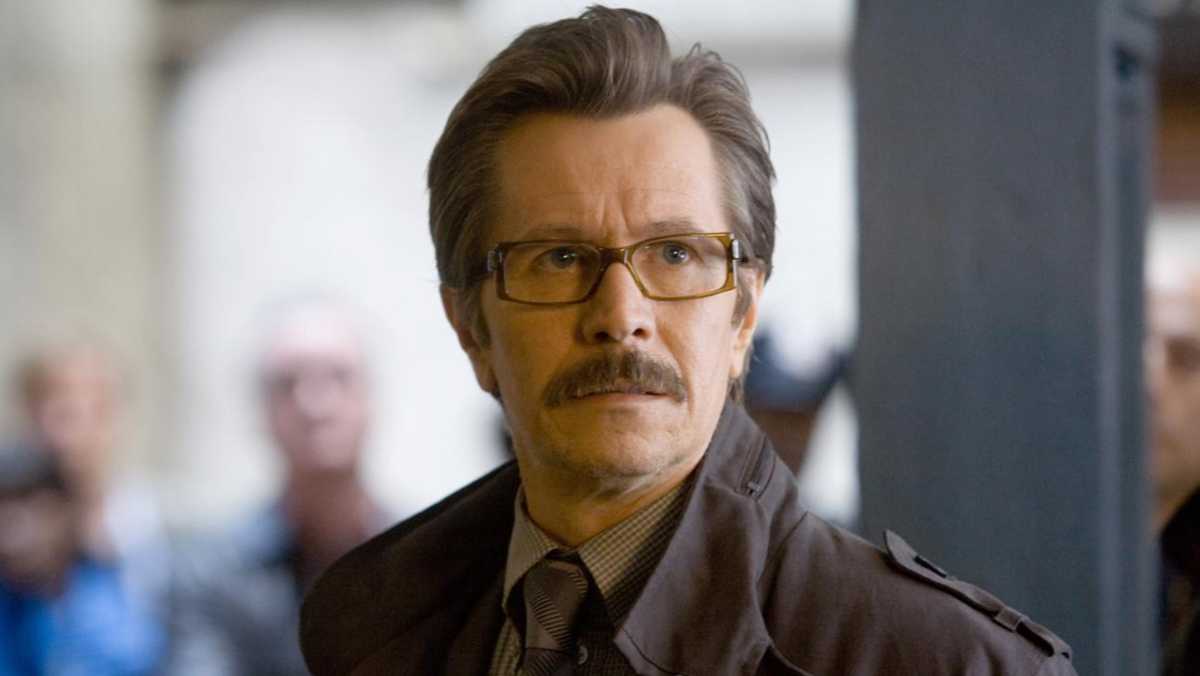
Nolan's work consistently explores how legends and reality clash, making heroes complex and often reviled.
The Dark Knight Legacy
This ending defines Nolan's career by framing heroism as a sacrifice misunderstood by the public.
Nolan's Final Insight
Nolan's Dark Knight ending reveals his entire career's focus on heroism's contradictions and the cost of being misunderstood.
The key point
Christopher Nolan's Dark Knight ending frames Batman as a villain to highlight his career's exploration of heroism's contradictions.