From Collider · Michael John Petty · · 2m
Tolkien's Hidden Christian Meaning in Lord of the Rings Characters
Tolkien's Lord of the Rings characters embody Christ's roles: prophet, priest, and king.
In brief
Tolkien's Lord of the Rings characters embody Christ's roles: prophet, priest, and king. Tolkien's Lord of the Rings characters reflect Christ's roles as prophet, priest, and king through their arcs. Originally reported by Collider.
Tolkien's Religious Roots

Tolkien's Lord of the Rings reflects his Christian faith, which he called 'fundamentally religious and Catholic.'
“The Lord of the Rings is, of course, a fundamentally religious and Catholic work; unconsciously so at first, but consciously in the revision.”
Gandalf as Prophet
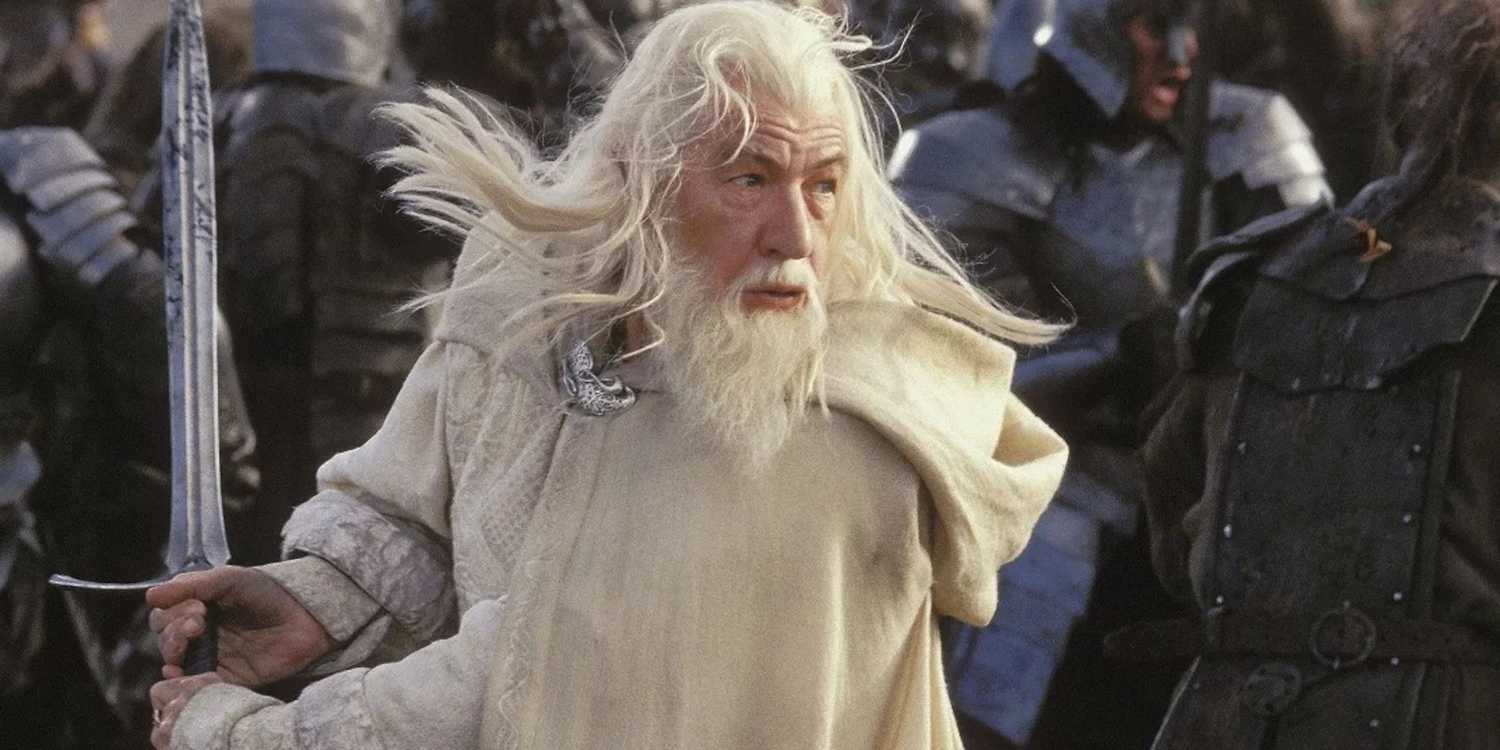
Gandalf, the wandering wizard, embodies Christ's role as prophet through wisdom and miraculous acts.
“He calls Frodo out of his comfortable life in the Shire, convinces him to have mercy on Gollum, and performs miraculous feats.”
Frodo as Priest
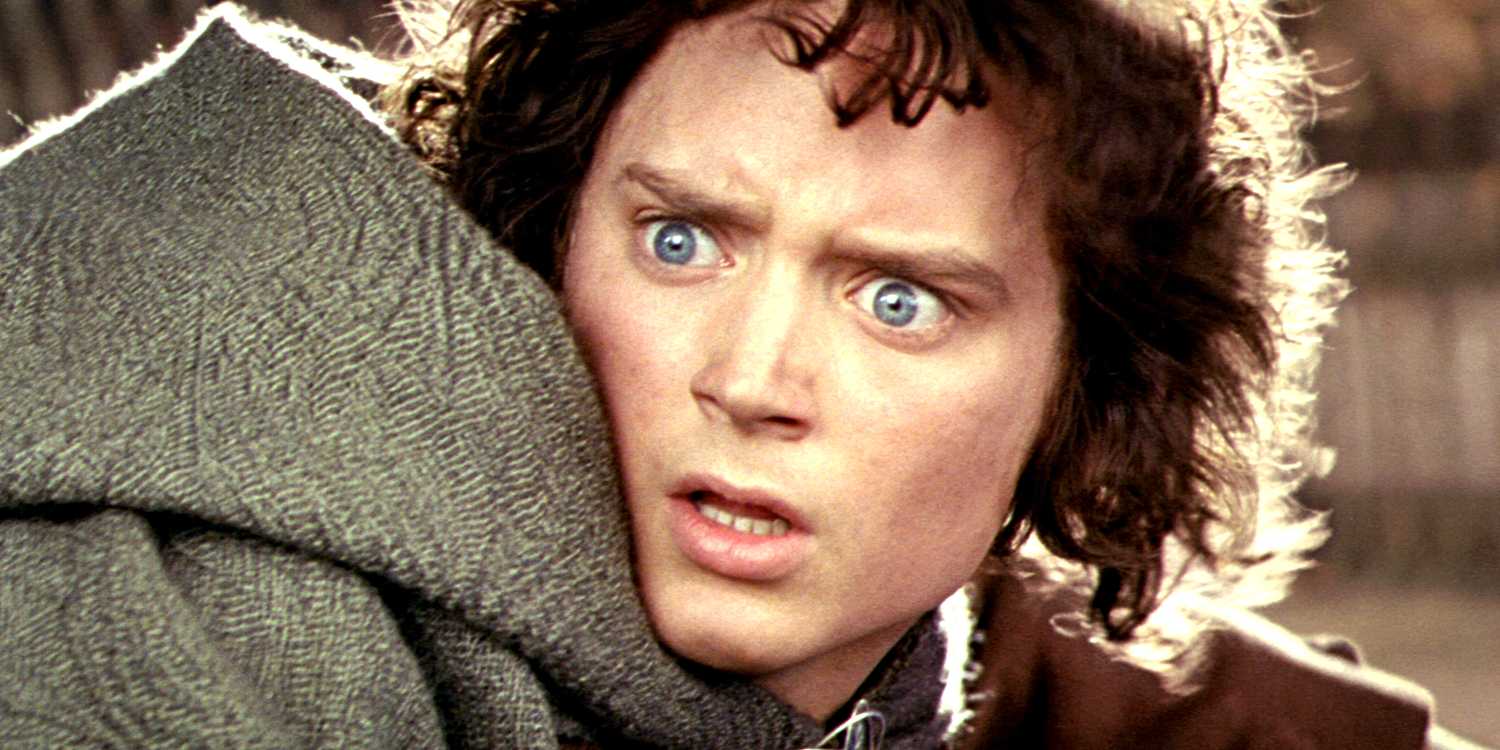
Frodo represents Christ's priestly role by bearing the burden of the One Ring and suffering betrayal.
“Frodo takes away the evil from Middle-earth by delivering the One Ring to its doom, willing to suffer the burden as he intercedes for all creation.”
Aragorn as King
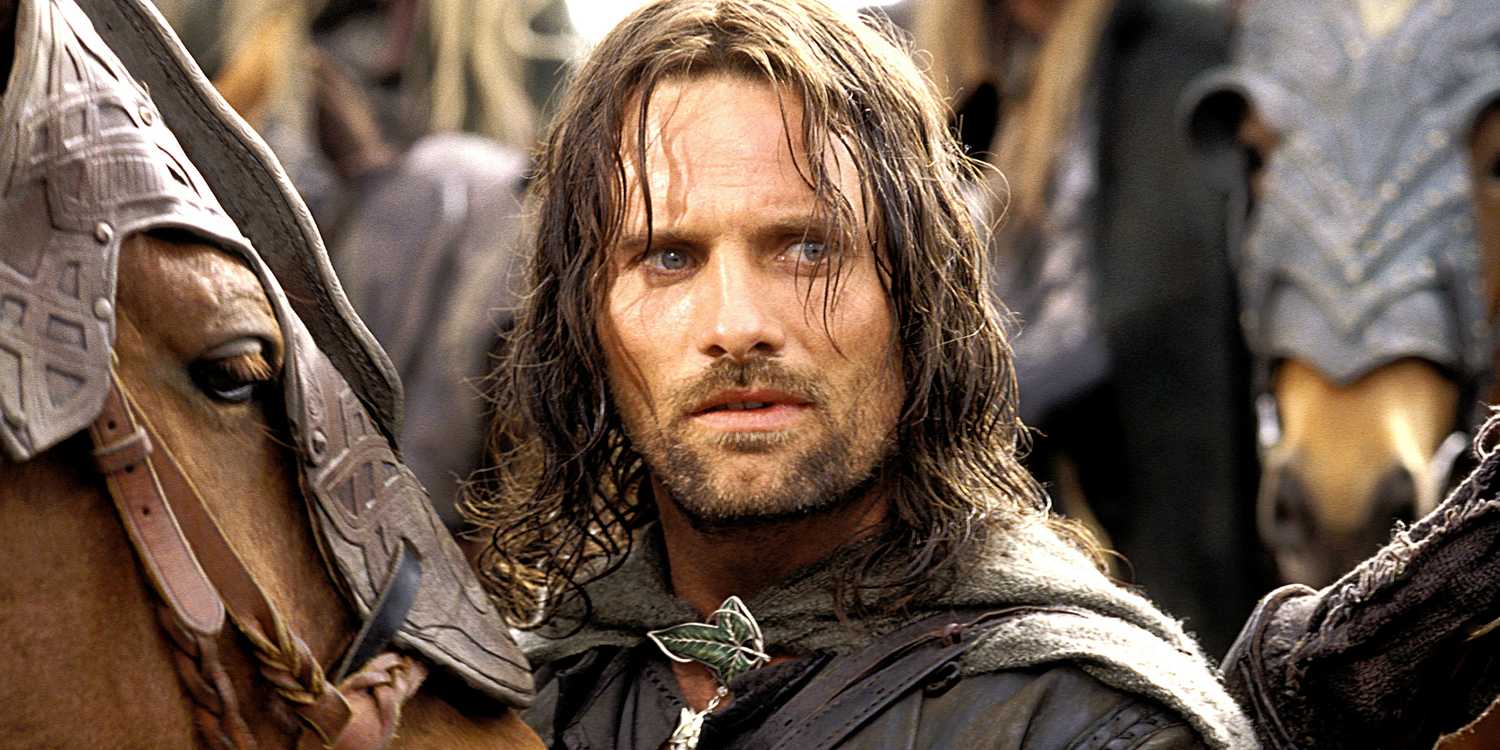
Aragorn embodies Christ's kingly role through his lineage and leadership after concealing his identity.
“Aragorn rightly takes his place as ruler of Gondor in the aptly named The Return of the King, centuries after the prophecies had foretold it.”
The Triune God Connection
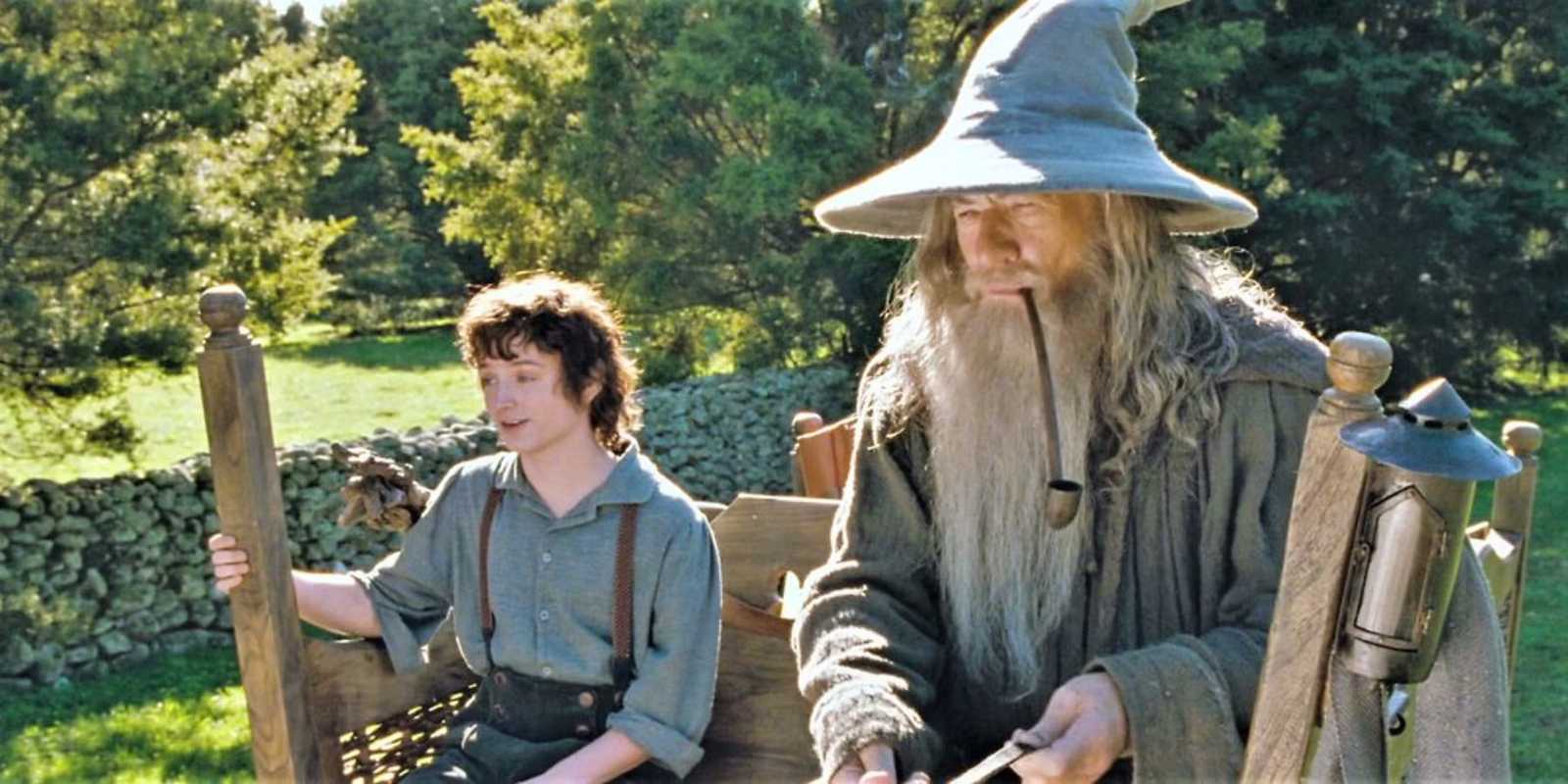
Tolkien's Christian belief in a triune God influenced the three Christ figures in the story.
“Eru Ilúvatar is the 'One' behind the Sacred Fire that created all things.”
Frodo's Sacrifice
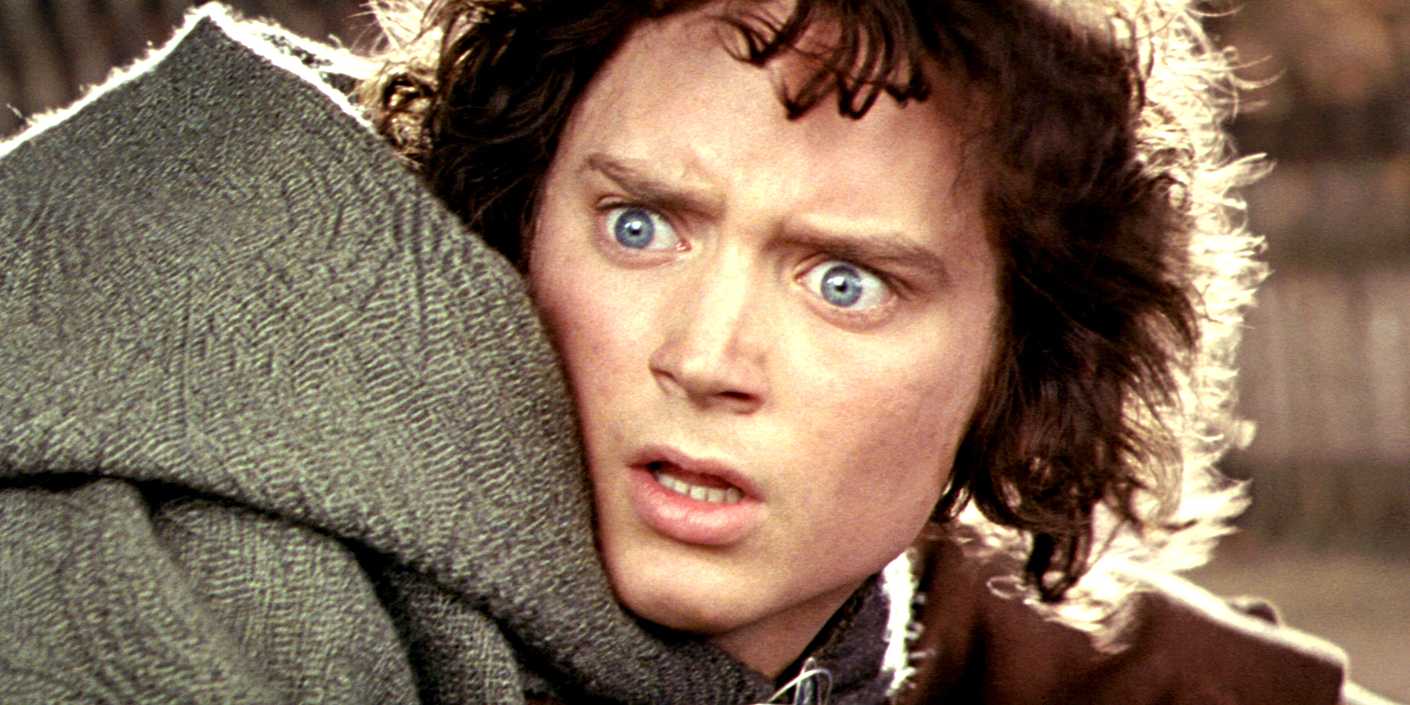
Frodo's struggle with temptation leads to the One Ring's destruction through divine intervention.
“The Other Power then took over: the Writer of the Story (by which I do not mean myself), 'that one ever-present Person who is never absent and never named'.”
Gandalf's Resurrection
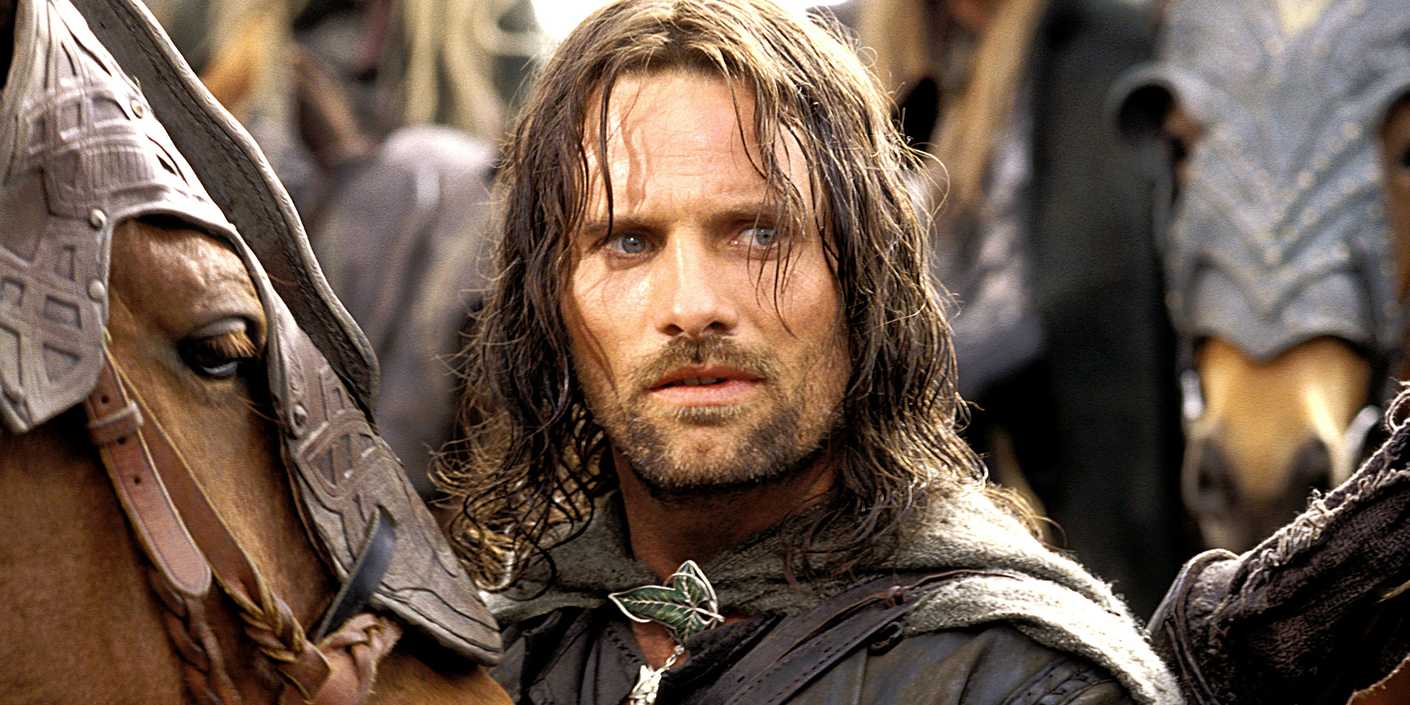
Gandalf's death and rebirth in white robes symbolize Christ's resurrection.
“Gandalf also most perfectly embodies the Christian concept of resurrection. Though he dies to save his allies, he is reborn in white robes.”
Aragorn's Leadership
Aragorn leads an army of the dead against Sauron's forces, mirroring Christ's victory.
“Aragorn leads an army of the dead against Sauron's vile forces (another nod to Revelation), and even heals the wounded by the laying on of hands.”
The Three Roles
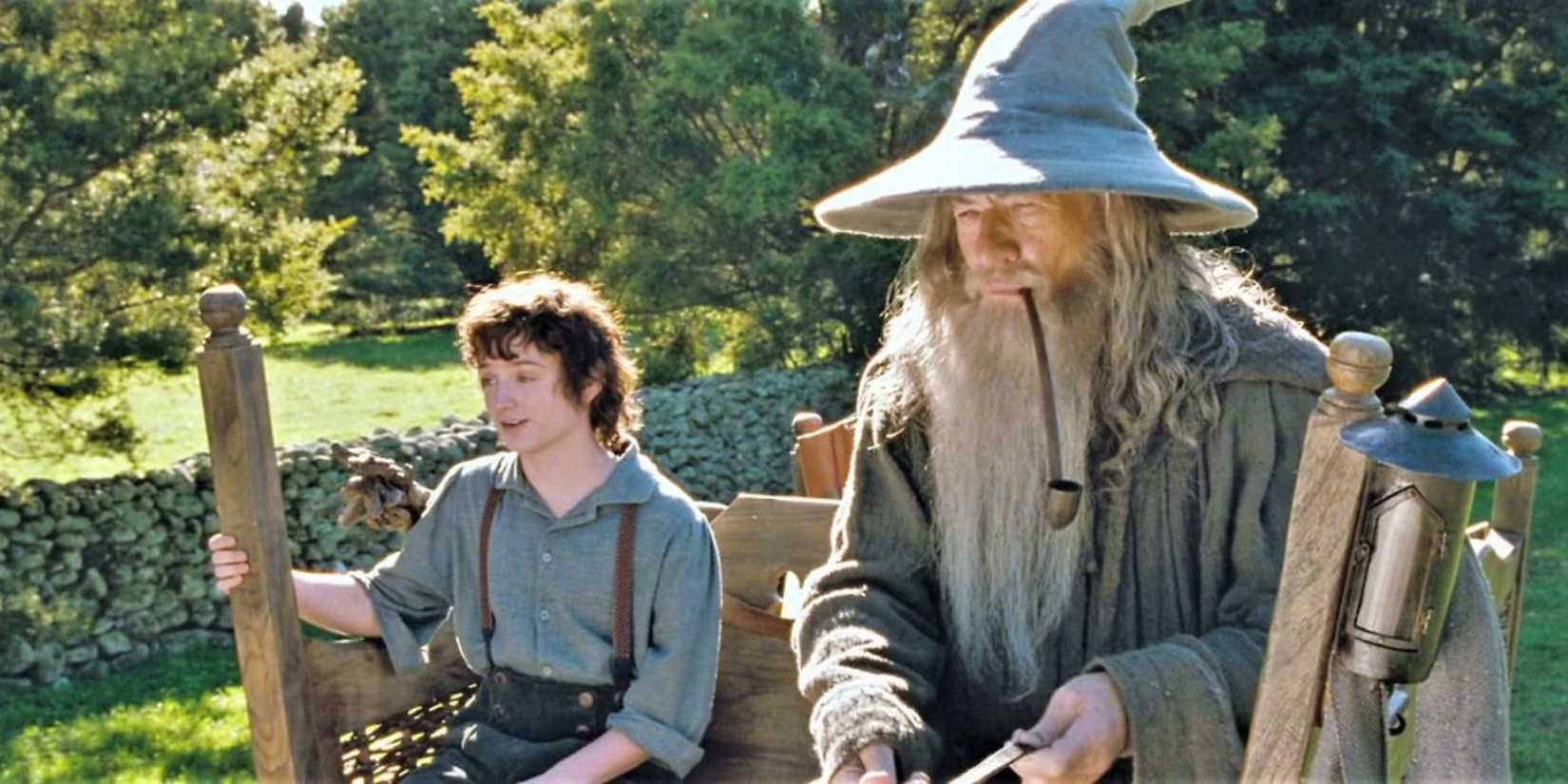
Gandalf, Frodo, and Aragorn each represent Christ's roles as prophet, priest, and king.
“They exemplify the Old Testament threefold Messianic symbolism of prophet (Gandalf), priest (Frodo), and king (Aragorn).”
Tolkien's Christian Faith
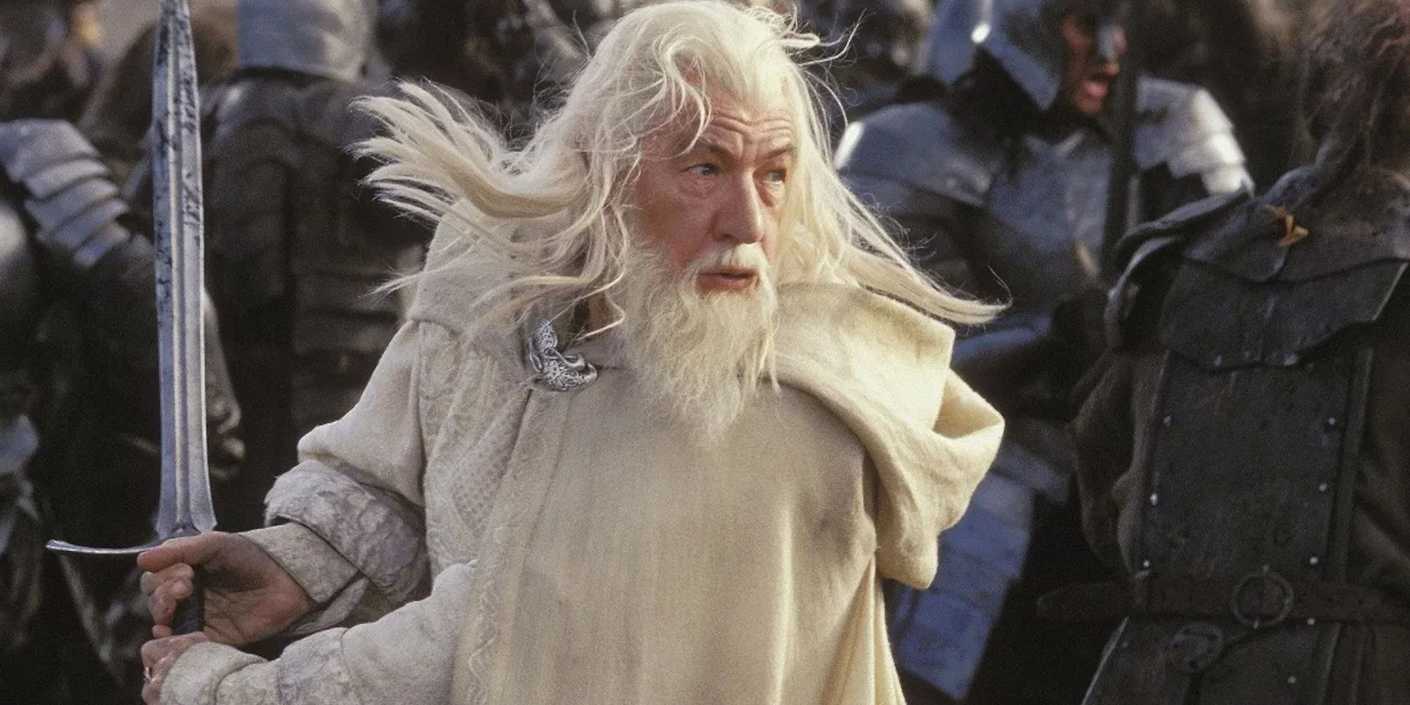
Tolkien's Christian faith shaped the story's themes and character arcs without direct religious allegory.
“Although The Lord of the Rings is not meant to be read as religious allegory, there's no denying that Tolkien's Christian faith was of chief inspiration.”
The Ring's Destruction
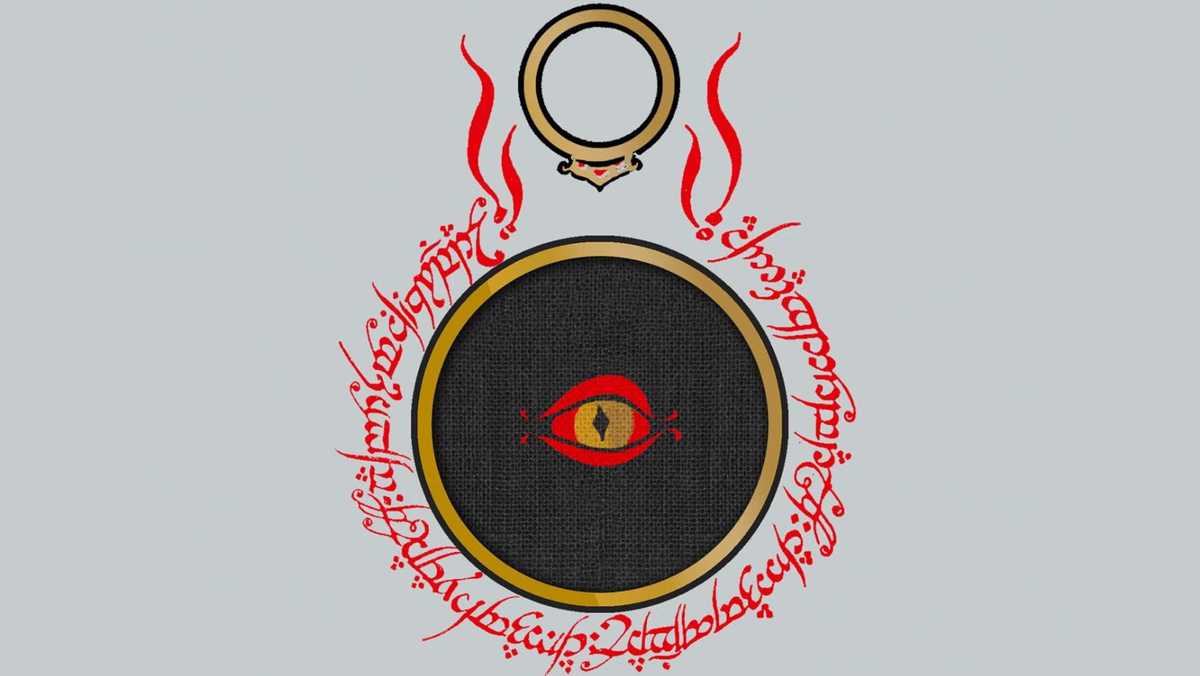
The One Ring's destruction required Frodo's sacrifice and divine intervention to complete.
“The climactic destruction of the One Ring was, itself, something of a miracle. After Samwise Gamgee defeats Gollum's repentance, the creature returns after Frodo succumbs to the power of the ring.”
The Faithful
Tolkien's 'Faithful' worshipped Eru Ilúvatar, the creator of all things in Middle-earth.
“Many during the Second Age, dubbed 'The Faithful,' worshiped Ilúvatar.”
The Writer of the Story
Tolkien described the 'Writer of the Story' as the ever-present force behind the narrative.
“The Writer of the Story (by which I do not mean myself), 'that one ever-present Person who is never absent and never named'.”
The Triune God
Tolkien's Christian belief in a triune God influenced the three Christ figures in the story.
“There had to be three Christ figures in this story, not just to echo the three messianic roles, but also because of the Christian belief in a triune God.”
The Ring's Power
The One Ring's power tempted Frodo, leading to divine intervention for its destruction.
“Frodo is unable to resist the temptation, and thus, Tolkien writes, 'The Other Power then took over: the Writer of the Story.'”
The Legacy
Tolkien's Lord of the Rings remains a timeless exploration of Christian themes through its characters.
“Time would fail us to make note of all the Christian illustrations Tolkien wove into The Lord of the Rings.”
The takeaway
Tolkien's Lord of the Rings characters reflect Christ's roles as prophet, priest, and king through their arcs.