From Daily Maverick · Lindsey Schutters · · 2m
Bitcoin at 18: from peer cash to institutional asset
Bitcoin was built to bypass banks. Eighteen years later, the same institutions have taken control.
In brief
Bitcoin was built to bypass banks. Eighteen years later, the same institutions have taken control. Bitcoin has expanded to a one hundred one billion dollar regional economy in sub-Saharan Africa, but stablecoins and centralised exchanges now dominate where the original cryptocurrency was meant to lead. Originally…
Bitcoin turns 18 this weekend

On 31 October, it will have been 18 years since Satoshi Nakamoto published Bitcoin: A Peer-to-Peer Electronic Cash System in response to the Wall Street collapse.
Nakamoto's four core principles
The white paper proposed eliminating trusted third parties, disintermediating the mint, enabling pure peer-to-peer electronic cash, and maintaining pseudonymity through anonymous public keys.
Stablecoins won the payment war
Between 2022 and 2026 across sub-Saharan Africa, peer-to-peer stablecoin value received grew sixfold from two point three billion dollars to fourteen point six billion dollars, while bitcoin peer-to-peer value fell sixty percent from thirty-six billion…
Remittances favour stablecoins
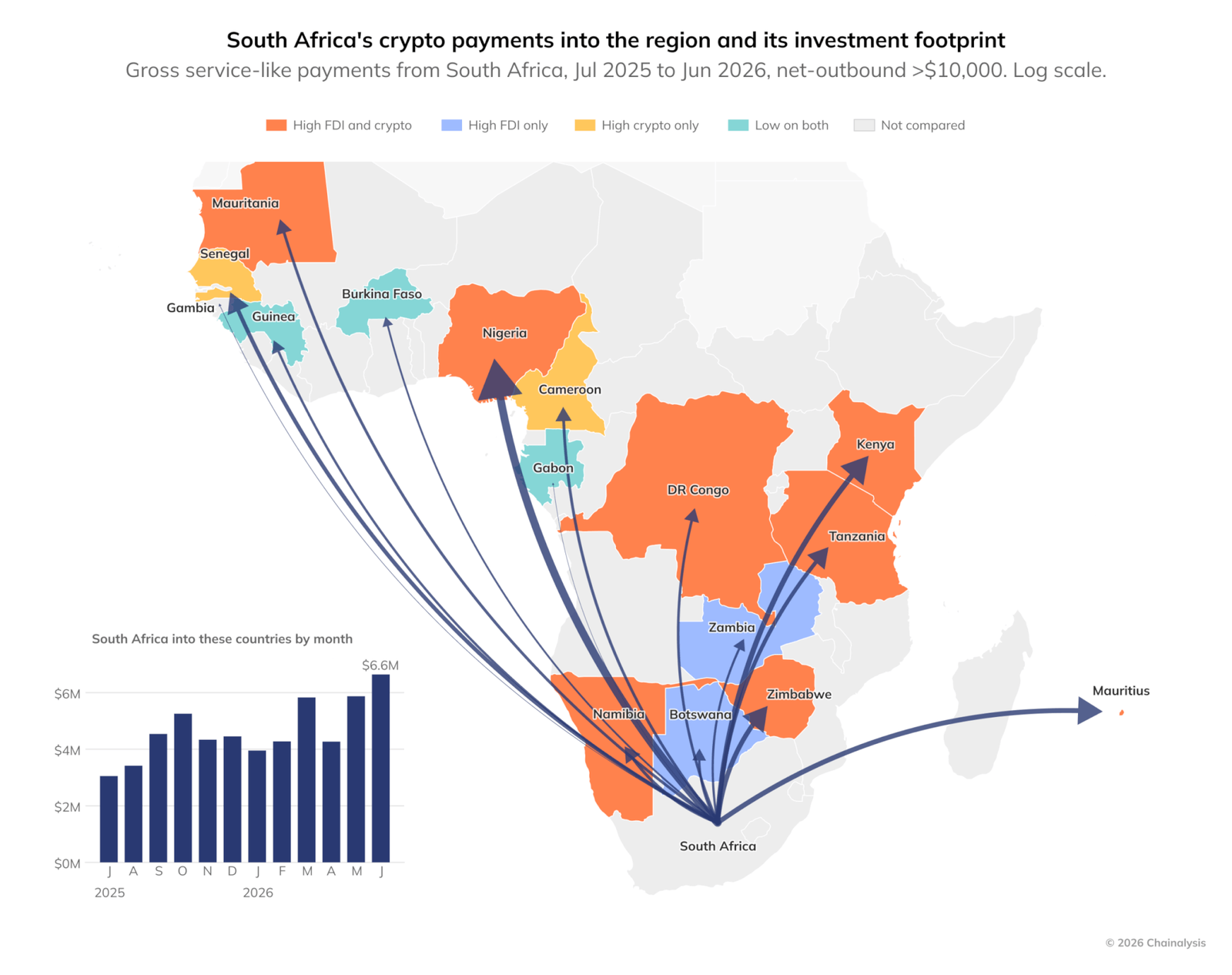
When factoring in cross-border remittances from Western corridors into sub-Saharan Africa, stablecoins took a fifty-five percent share at four hundred ninety-two million dollars compared to bitcoin's forty-five percent at three hundred ninety-six million dollars.
Centralised exchanges dominate Nigeria
In Nigeria, domestic centralised exchanges processed six point twenty-two billion dollars during the 2026 period, capturing fifty percent of all exchange inflows, up from just seven percent in 2022.
Local stablecoins reintroduce central banks
ZAR Supercoin is issued by licenced corporate entity Super Money SA and backed one to one by rands held onshore in segregated accounts at Absa Bank, reintroducing the central bank and commercial banking infrastructure Nakamoto…
Sub-Saharan Africa leads in self-custody
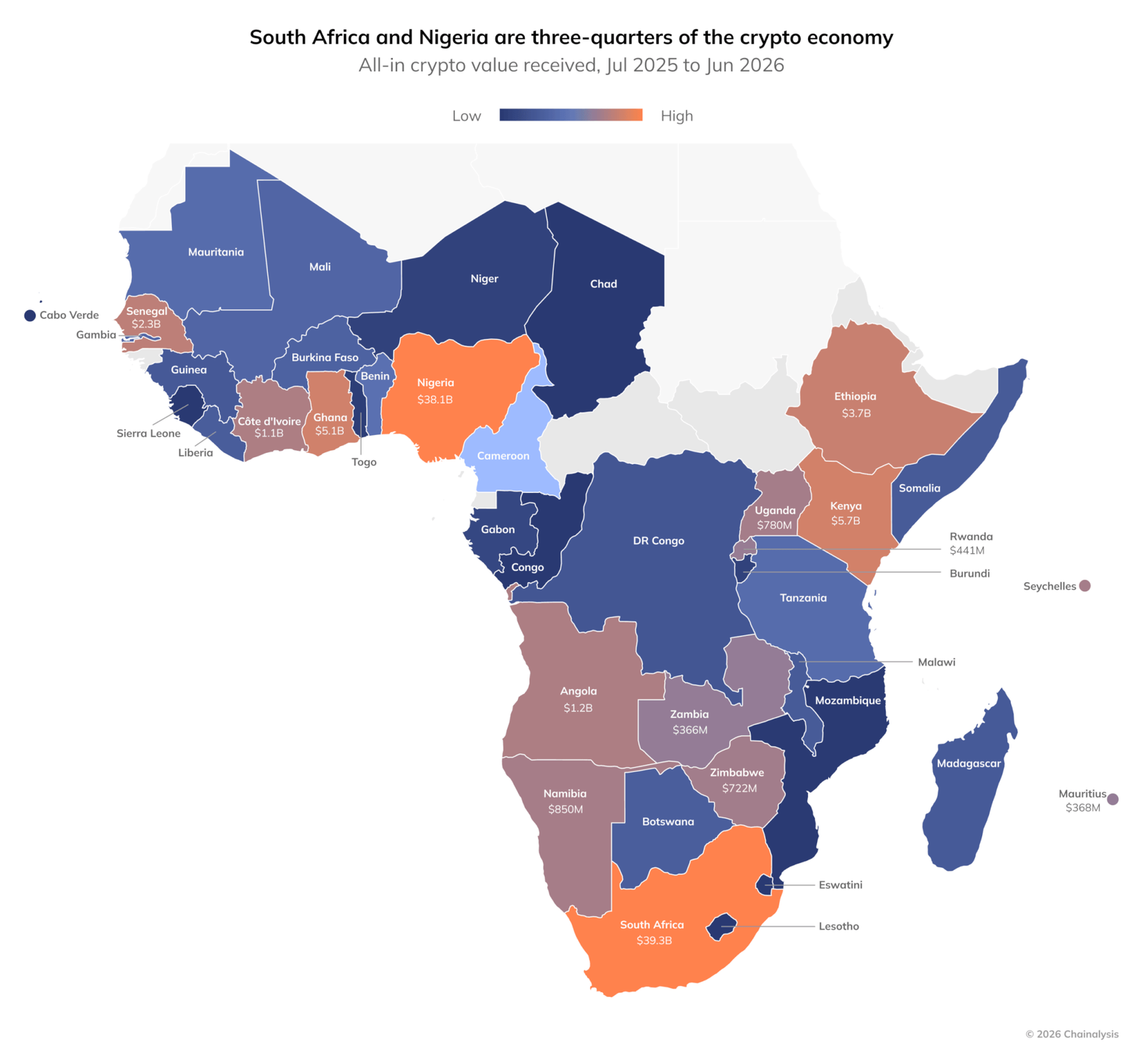
Sub-Saharan Africa leads the world in self-custody, with thirty-two point three percent of all crypto value landing in personal wallets, though this is largely driven by regulatory uncertainties and bank restrictions rather than ideological purity.
Institutions now hold billions in bitcoin
Corporate treasury giant Strategy holds eight hundred forty-eight thousand five hundred seventeen bitcoin acquired for sixty-four billion dollars, and identified institutions now hold roughly three point nine million bitcoin according to RootstockLabs.
Institutional dominance risks concentration
Bitcoin has permanently redefined global finance, but the same institutional players and playbooks that Satoshi Nakamoto wrote in response to have wrested back control, risking concentration of coin holdings among a handful of major holders.
“the same institutional players and playbooks that he wrote in response to, have wrested back control”
The headline
Bitcoin has expanded to a one hundred one billion dollar regional economy in sub-Saharan Africa, but stablecoins and centralised exchanges now dominate where the original cryptocurrency was meant to lead.
