From Daily Maverick · Joan van Dyk for Spotlight · · 3m
Menopausal women want answers, not 'old granny' labels
South African women are breaking silence around menopause and demanding clear, culturally relevant healthcare information instead of dismissal.
In brief
South African women are breaking silence around menopause and demanding clear, culturally relevant healthcare information instead of dismissal. South African women are rejecting silence around menopause and demanding accessible healthcare information that respects their dignity and cultural contexts. Originally…
Breaking the silence
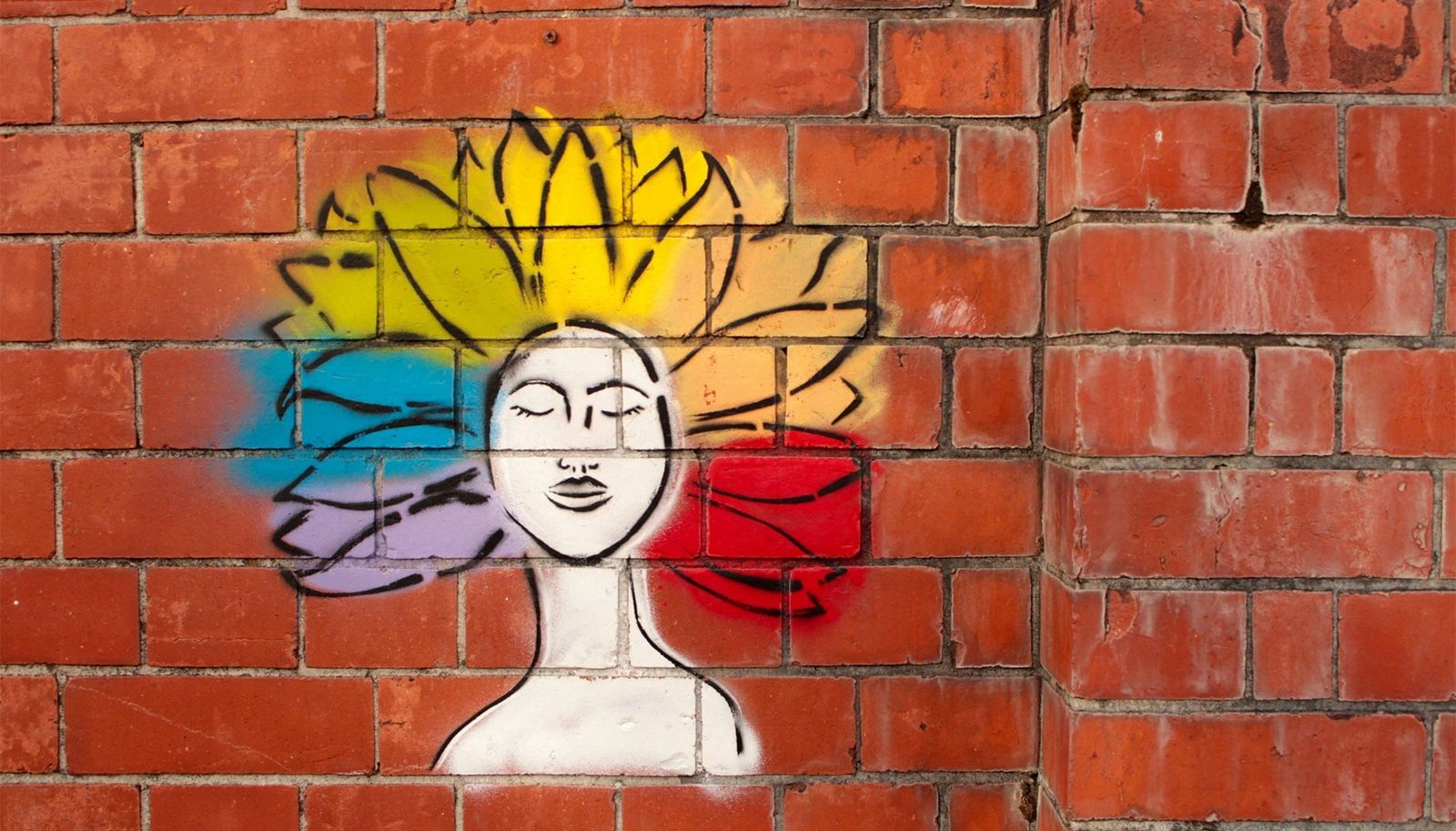
Across South Africa's townships and rural clinics, women are challenging inherited silence around menopause and demanding support instead of endurance.
The research gap
A two thousand seventeen study of four hundred fifty black women near Pretoria found more than three-quarters had never sought medical help for menopause symptoms.
What menopause is
The World Health Organization defines menopause as a year with no periods, marking the end of reproductive years. It usually occurs between ages forty-five and fifty-five.
The symptom range
Joint and muscle pain, exhaustion, poor memory and hot flushes are common menopause symptoms, but a new review suggests there are up to seventy-two possible symptoms.
Treatment exists but isn't offered
Hormone replacement therapy is the most effective treatment for hot flushes according to South African Menopause Society guidance, but many women never have their options explained.
Clinic staff dismiss symptoms
Researcher Sostina Matina found midlife women seeking symptom relief are often turned away by health workers, especially if symptoms appear early or follow surgery.
“"They'll say 'it's just menopause, there's nothing we can do'," she says.”
Guidelines exist on paper
South Africa's treatment guidelines include menopausal hormone therapy pills for clinics and hospitals. Women with a womb need progestogen alongside oestrogen to prevent uterine lining thickening.
Xoli Madlala's mission
Xoli Madlala, who experienced menopause early, travels across South Africa speaking in corporate boardrooms and rural Bible study groups to bring menopause into the open.
Cultural beliefs shape experience
Women in rural Limpopo described menopause as losses of beauty, respect and quality of life. Some held beliefs about dirty blood or feared semen accumulation after menopause.
Language creates stigma
Clinical menopause concepts translated literally into local languages produce phrases steeped in shame, such as kuguma ura in Shona or phelelo maikutlo in Setswana.
Women speak in euphemisms
Women express bodily changes through idioms like fufulelwa for hot flushes or frame the transition as ugugile, sekhulile or into zabogogo, avoiding clinical language entirely.
What women actually want
Women leaving clinics requested clear, contextually relevant information to understand their bodies and take charge of their health, regardless of access to expensive hormone therapies.
New resources reject stereotypes
Researchers co-created question-and-answer booklets with communities, doctors, translators and designers. Women rejected old-fashioned imagery and insisted on vibrant, modern images of active women.
Dignity in language
The booklets use culturally relevant terms of dignity and strength such as Ubufazi in isiZulu and Sesadi in Setswana, both meaning womanhood, instead of deficit-based translations.
The takeaway
South African women are rejecting silence around menopause and demanding accessible healthcare information that respects their dignity and cultural contexts.


