From Daily Maverick · Judy-Marie van Noordwyk · · 2m
Preschools Struggle with Infrastructure Costs
South African women run preschools but cannot afford safety upgrades to qualify for government subsidies.
In brief
South African women run preschools but cannot afford safety upgrades to qualify for government subsidies. Poor South African women running preschools face unaffordable infrastructure costs to meet safety standards and access early learning subsidies. Originally reported by Daily Maverick.
Preschools Struggle with Infrastructure Costs
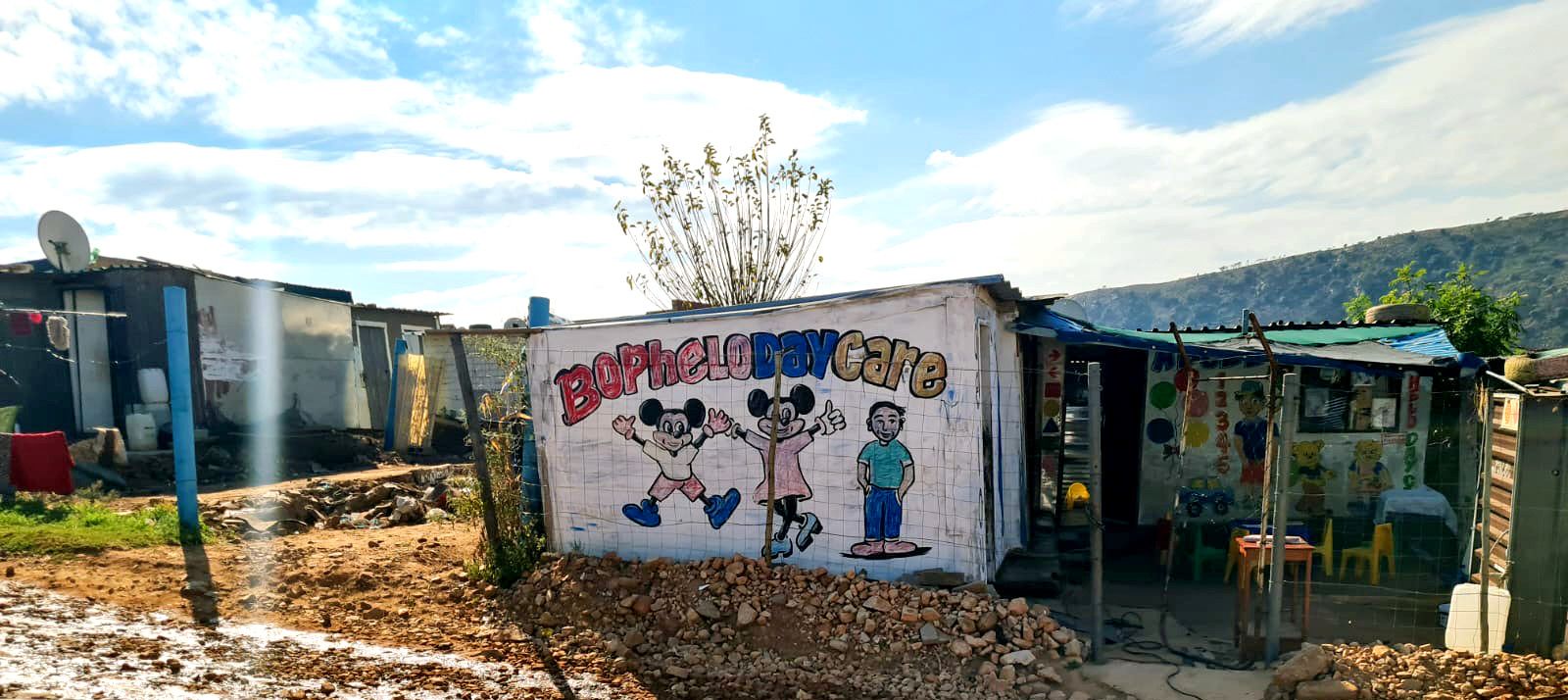
The government may have simplified registration and raised subsidies, but many women running preschools in impoverished areas cannot afford costly build repairs required to meet safety standards and access funding.
Thandeka's 15-Year Struggle
Thandeka opened a preschool in 2011 and achieved Silver registration with the government in September 2026 after a R42,000 grant for repairs.
Siyakha Educare's Journey
Siyakha Educare, a preschool in Knysna, achieved Silver registration in September 2026 after a R42,000 grant for repairs to address safety issues.
Nomsa's 11-Year Delay
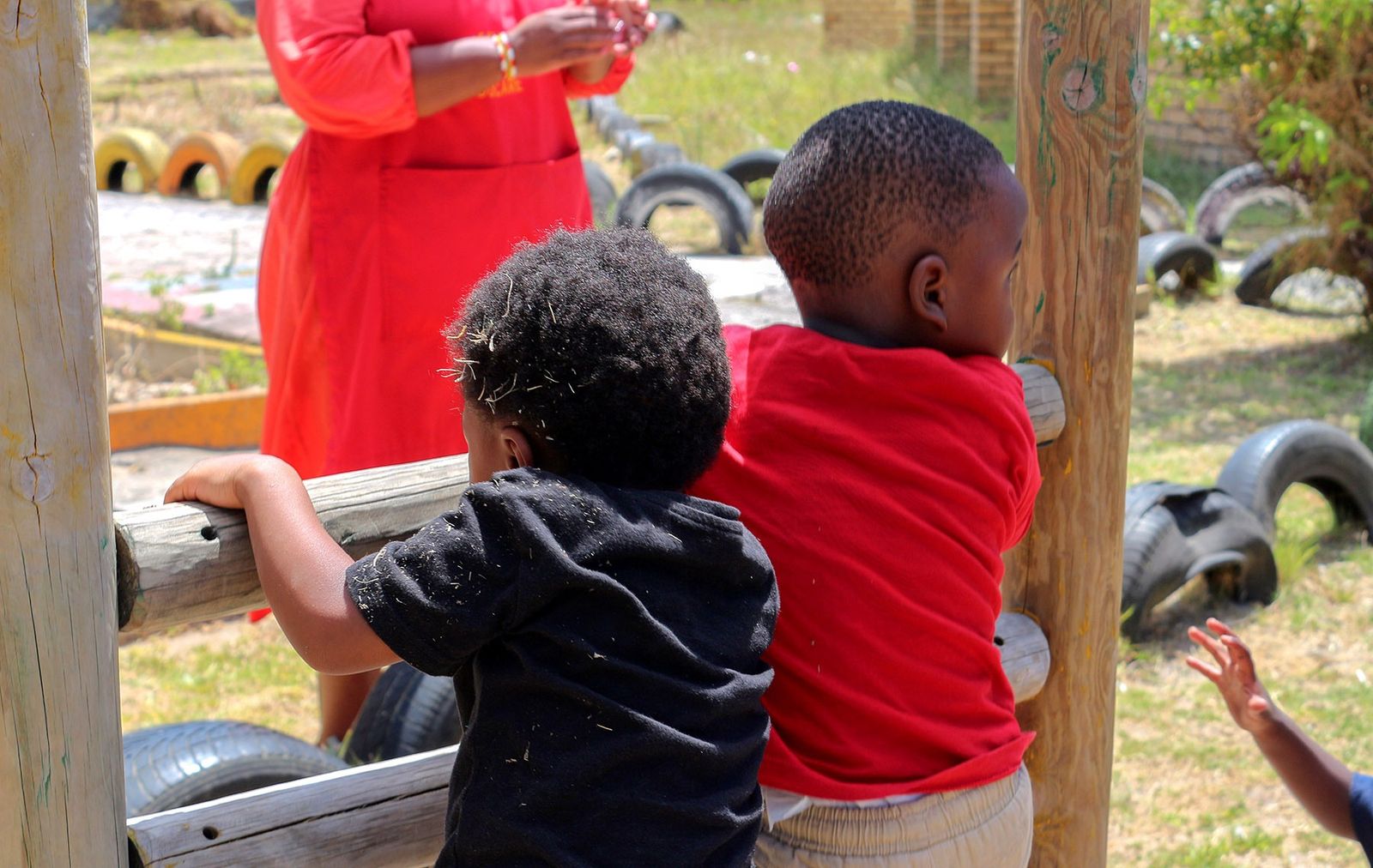
Nomsa faced a five-year delay in registration due to unaffordable infrastructure costs, including fire clearance for container classrooms.
The Funding Gap
The government's early learning subsidy is R24 per child per day, but running a compliant programme in poor communities costs R93 per child.
Infrastructure Grants Help

Knysna Education Trust provided R1-million in grants to help 26 centres make safety improvements, including sanitation and fencing.
The System's Contradiction
The government increased subsidies but infrastructure costs remain unaffordable, leaving women to fund repairs to qualify for funding.
Why It Takes So Long
Principals must pay for inspections upfront without knowing if their centres will pass, leading to delays in repairs and registration.
The Cost of Compliance
The government's subsidy is R24 per child per day, but running a compliant programme in poor communities costs R93 per child.
Infrastructure Grants Work
Knysna Education Trust's pilot program provided R1-million in grants to help 26 centres make safety improvements, including sanitation and fencing.
The System's Weakness
The registration system is fragmented, with separate departments handling inspections that delay registration for years.
What's Next
Knysna Education Trust is working on a shared ECD data dashboard to improve coordination between registration and infrastructure departments.
The Real Cost
The government's subsidy is R24 per child per day, but running a compliant programme in poor communities costs R93 per child.
The Funding Problem
The government cut R800-million from the subsidy allocation in February 2026, redirecting funds to Grade R pressures.
The Women's Struggle
Women running preschools in poor communities face unaffordable infrastructure costs to meet safety standards and access government subsidies.
The key point
Poor South African women running preschools face unaffordable infrastructure costs to meet safety standards and access early learning subsidies.
Read the TL;DR — this story on one card.