From Daily Maverick · Lindsey Schutters · · 3m
South Africa builds a digital ID revolution
South Africa is replacing its paper-based green ID book with a smartphone-based digital identity system, backed by Estonia's expertise and designed to streamline government services.
In brief
South Africa is replacing its paper-based green ID book with a smartphone-based digital identity system, backed by Estonia's expertise and designed to streamline government services. South Africa is phasing out its paper green ID book by March thirty-first twenty twenty-eight, replacing it with a digital identity…
South Africa's digital leap forward
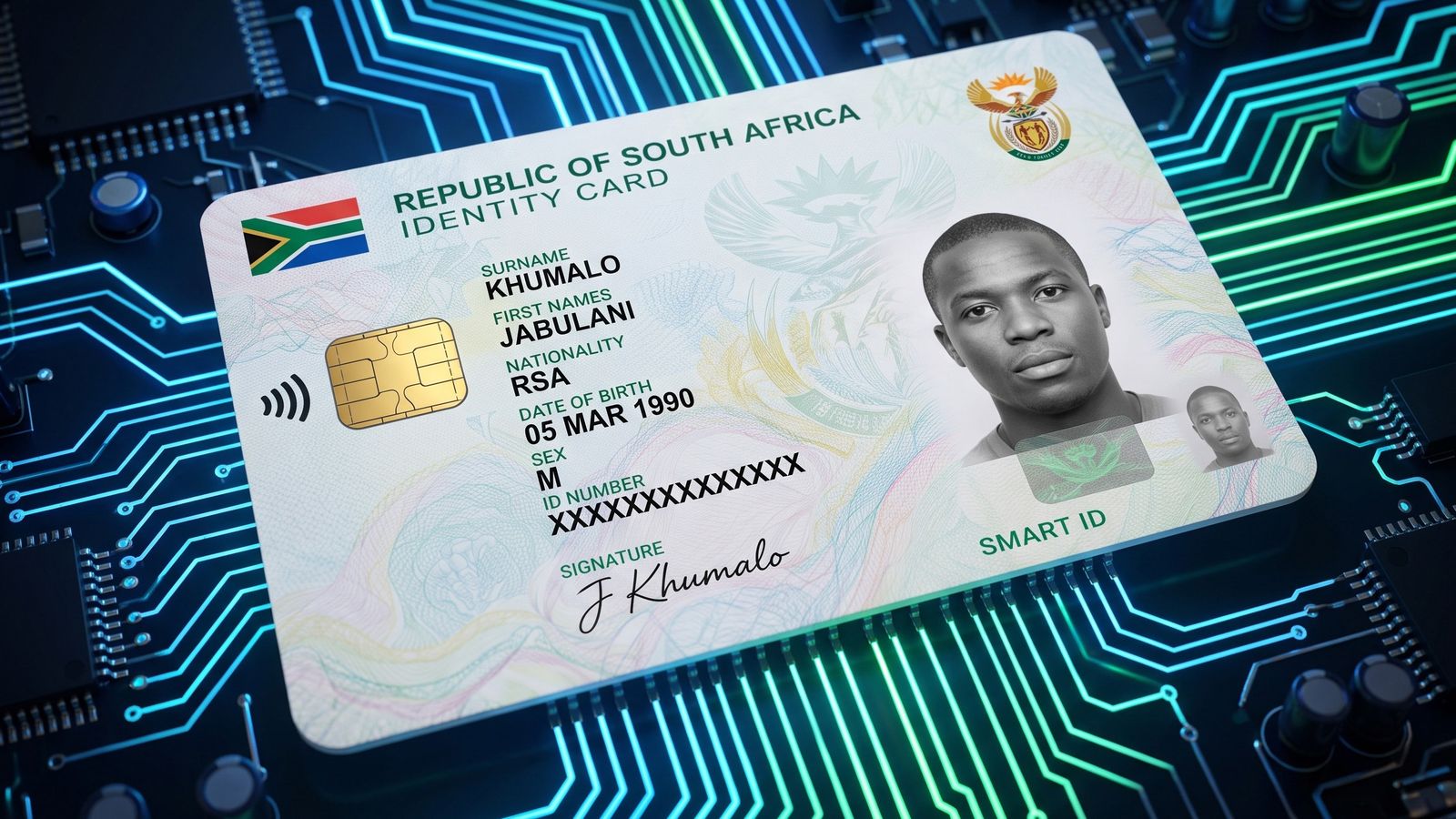
The Government of National Unity is building South Africa's digital public infrastructure future. The system will replace paper-based identity documents with smartphone-based digital credentials.
What makes this different from Estonia
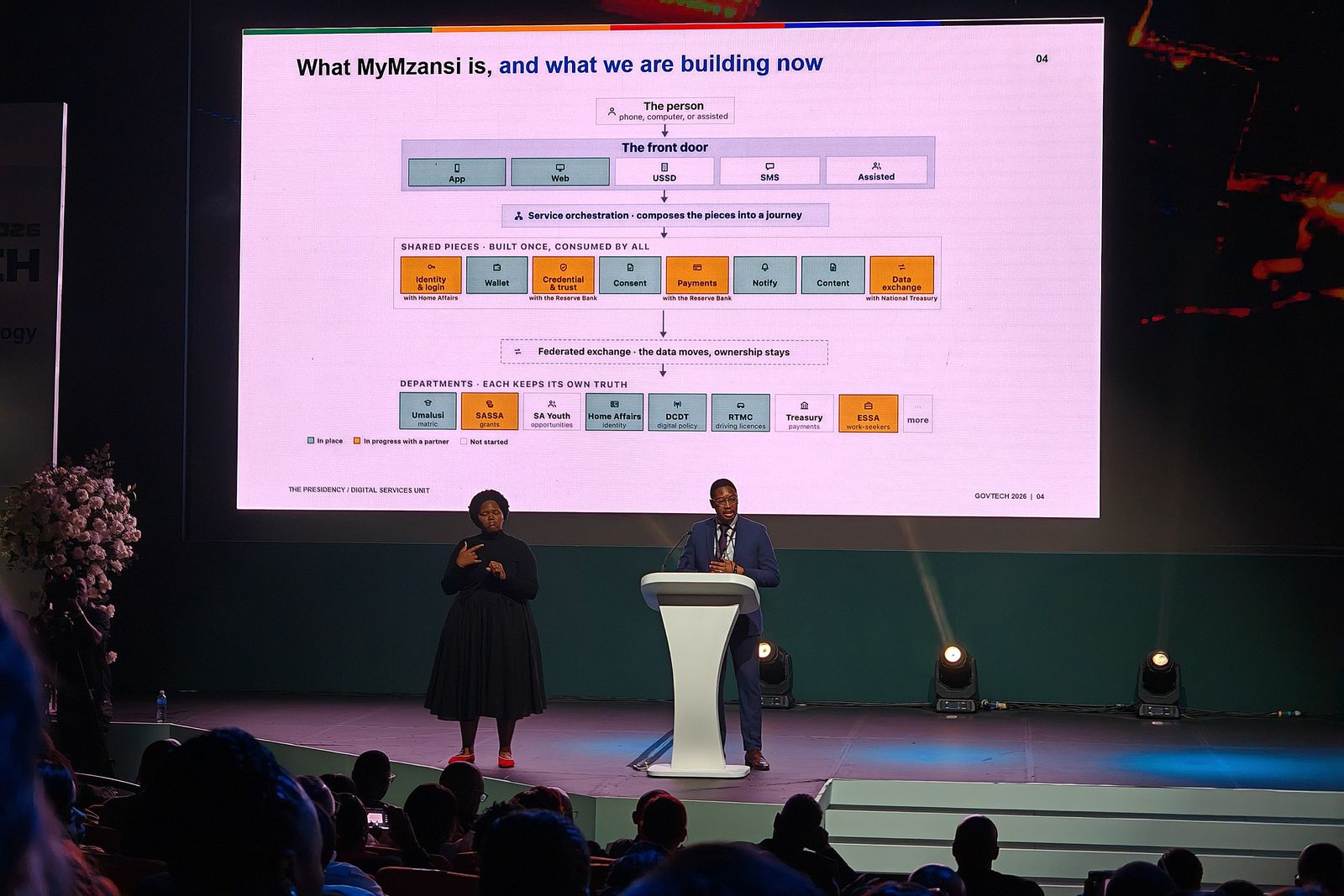
Lohan Spies, founder of DIDx, explained that South Africa's system is not a copy of Estonia's card-based solution. Instead, it is purely digital, living on your smartphone.
“what we are doing is we are now credentialising your identity in a verifiable format, where at the moment the Estonian solution is card-based ... what we are doing is now made in a purely digital format that's on your smartphone.”
DIDx and the digital identity mission
DIDx, founded by Spies in two thousand nineteen, is a technology company building Africa's trusted digital identity and payments infrastructure. Spies is a cybersecurity veteran who worked with blockchain.
Home Affairs' digital transformation plan
The Department of Home Affairs strategy for twenty twenty-five to twenty thirty aims to move from paper-heavy systems to digital-first operations. The plan is called Home Affairs at home.
Economic benefits of digital IDs
Home Affairs Minister Leon Schreiber said digital IDs enable instant, paperless processing for banking, work visas and business registrations. Attracting eleven thousand skilled workers annually adds one point two percent to annual GDP growth.
“digital IDs enable instant, paperless processing for banking, work visas and business registrations through an automated risk engine, eliminating months of administrative delays”
Tourism and security gains
A ten percent increase in tourism through a digitised travel visa system adds zero point six percent to GDP. A digital population register prevents illicit entries, fraudulent citizenship and internal collusion.
The green ID book's final date
Schreiber confirmed that on the thirty-first of March twenty twenty-eight the Green ID book will officially cease to be recognised as a valid form of identification in terms of section two hundred fifty-one B of…
“on the 31st of March 2028 the Green ID book will officially cease to be recognised as a valid form of identification in terms of section 251B of the Identification Act”
How the digital system works
The Department of Home Affairs will issue verifiable credentials in mDoc format to citizens. These credentials live on mobile devices using secure enclaves provided by manufacturers to protect private keys.
“DHA will be an issuer, and DHA will issue me with my verifiable credential in mDoc format”
Sharing credentials without third parties
In Schreiber's demonstration, data moved between phones via Bluetooth with no third party involved. Users can share credentials completely offline, with security based on proximity.
“the security there is literally in proximity. It's directly Bluetooth phone to phone ... you can be completely offline and I can share my credentials.”
Why the green book had to go
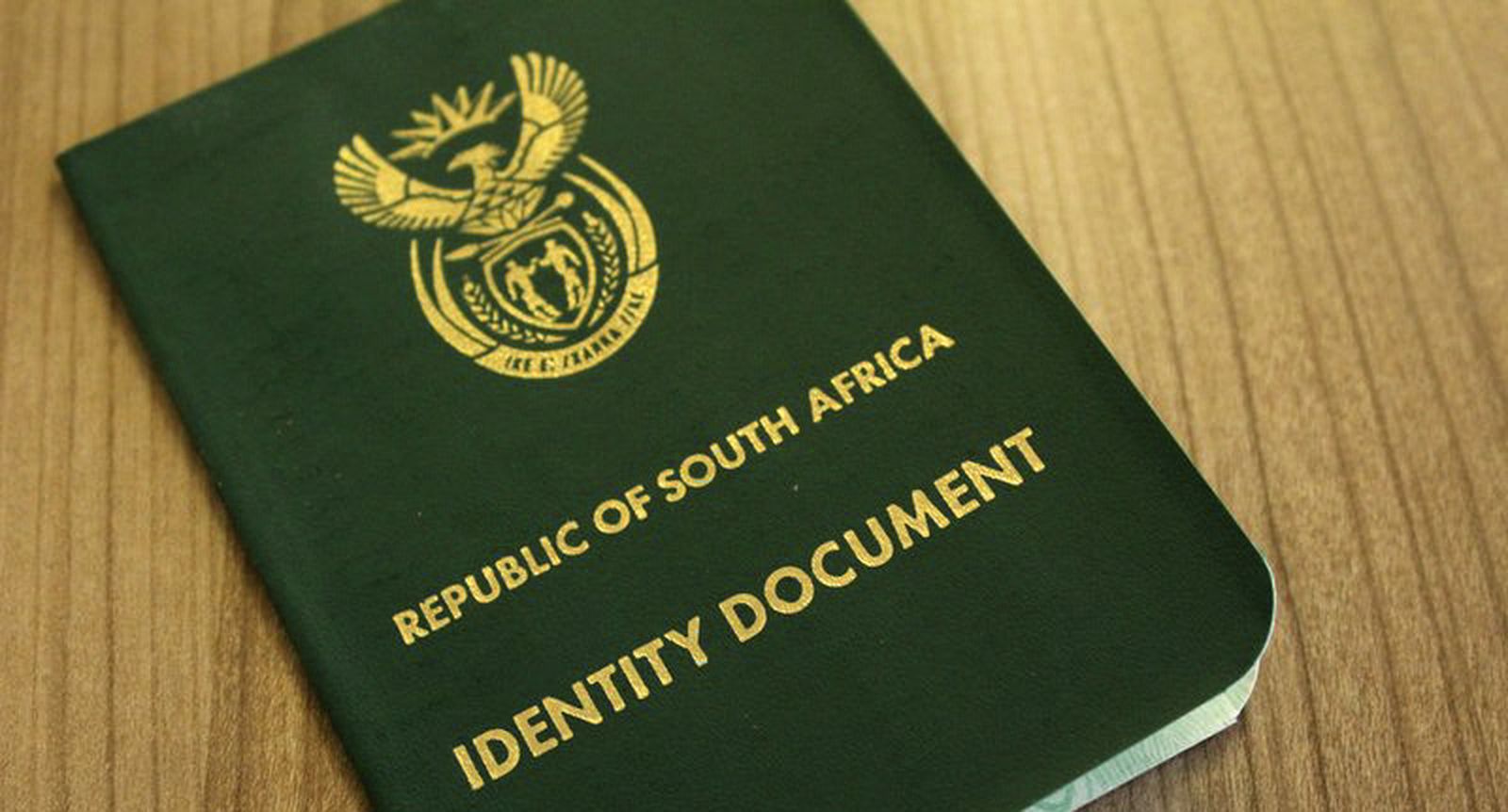
The paper-based green ID book lacks modern cryptographic security and embedded biometrics. It is easily forged, altered or duplicated by criminal syndicates, making it the primary vehicle for identity theft.
Citizens request documents from home
The new system lets citizens request, renew or authenticate civic identity products online using facial recognition on a mobile phone or computer. Physical cards are delivered directly to their doorstep.
What it means
South Africa is phasing out its paper green ID book by March thirty-first twenty twenty-eight, replacing it with a digital identity system on smartphones that will streamline banking, visas, and government services.