From Daily Maverick · Sophie Selby-Pham · · 2m
Why some frozen foods thaw to mush
Ice crystals damage water-filled cells in crisp foods like berries and cucumbers, but cooked dishes in sauce freeze beautifully.
In brief
Ice crystals damage water-filled cells in crisp foods like berries and cucumbers, but cooked dishes in sauce freeze beautifully. Foods with intact water-filled cells freeze poorly and turn soggy when thawed, while cooked dishes in liquid freeze well and retain quality. Originally reported by Daily Maverick.
Why crisp foods turn to goo
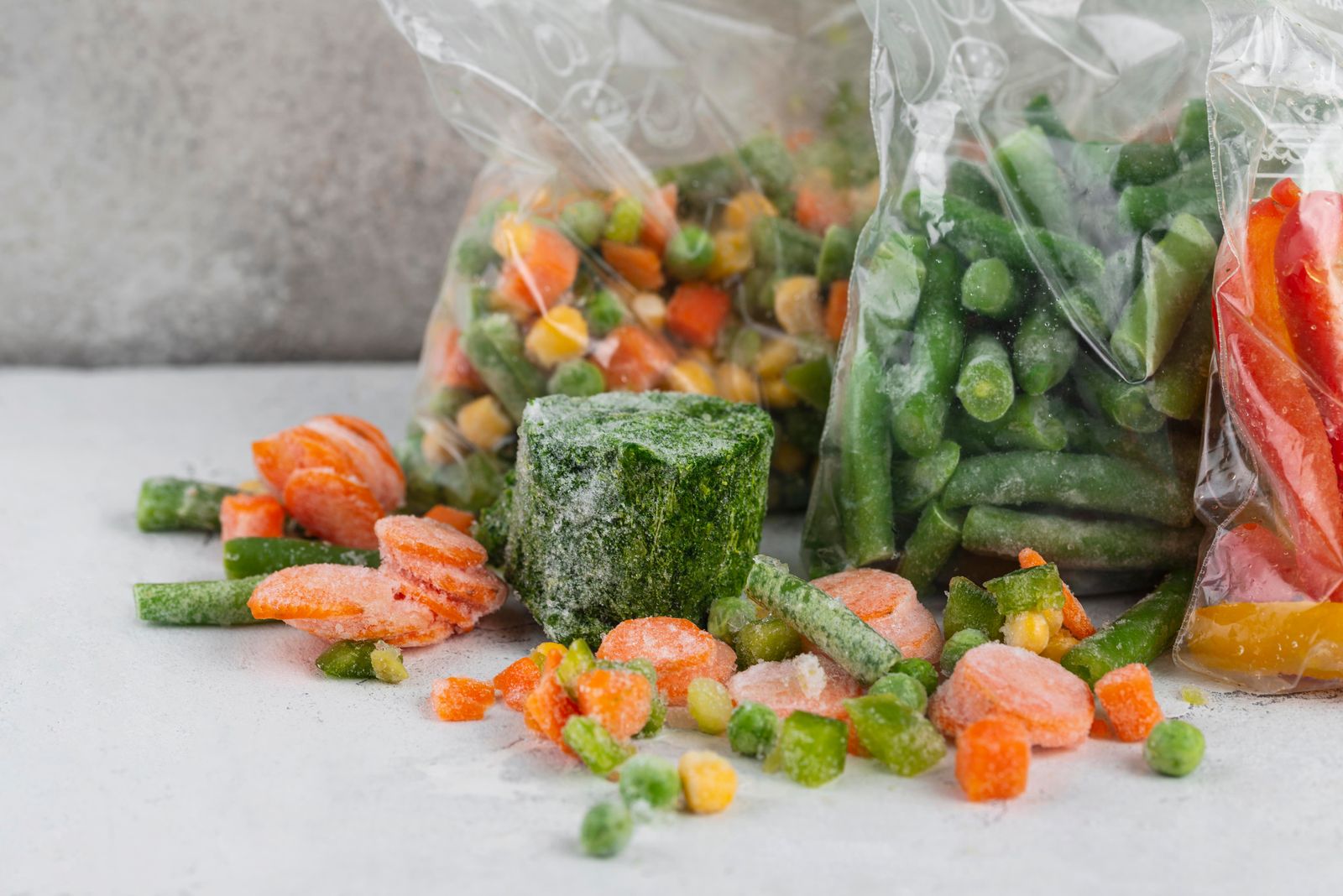
Foods with water-filled cells like berries, cucumbers and lettuce freeze poorly. Ice crystals damage these cells, and when thawed, moisture leaks out, leaving a soggy texture.
Speed matters for ice crystals
The faster food freezes, the smaller the ice crystals that form, causing less cell damage.Commercial freezing systems freeze much more rapidly than home freezers, which is why shop-bought frozen fruits and vegetables retain texture better.
Dairy and high-fat foods fail
Milk, mayonnaise and cream do not freeze well because fat can separate, changing taste and texture.Mayonnaise is an emulsion of oil and water held together by egg yolk, and ice crystals disrupt this during thawing.
What freezes well
Rice, pasta, bread, soups, sauces, stews, cookie dough and pastry freeze well. Raw meat retains quality very well when frozen and thawed before cooking.
Mixed dishes are freezer-friendly
Curries, casseroles, bolognese sauces, chilli con carne and soups freeze particularly well because ingredients are already cooked and surrounded by liquid or sauce, protecting them from drying out.
Cooked vegetables and high-fibre foods
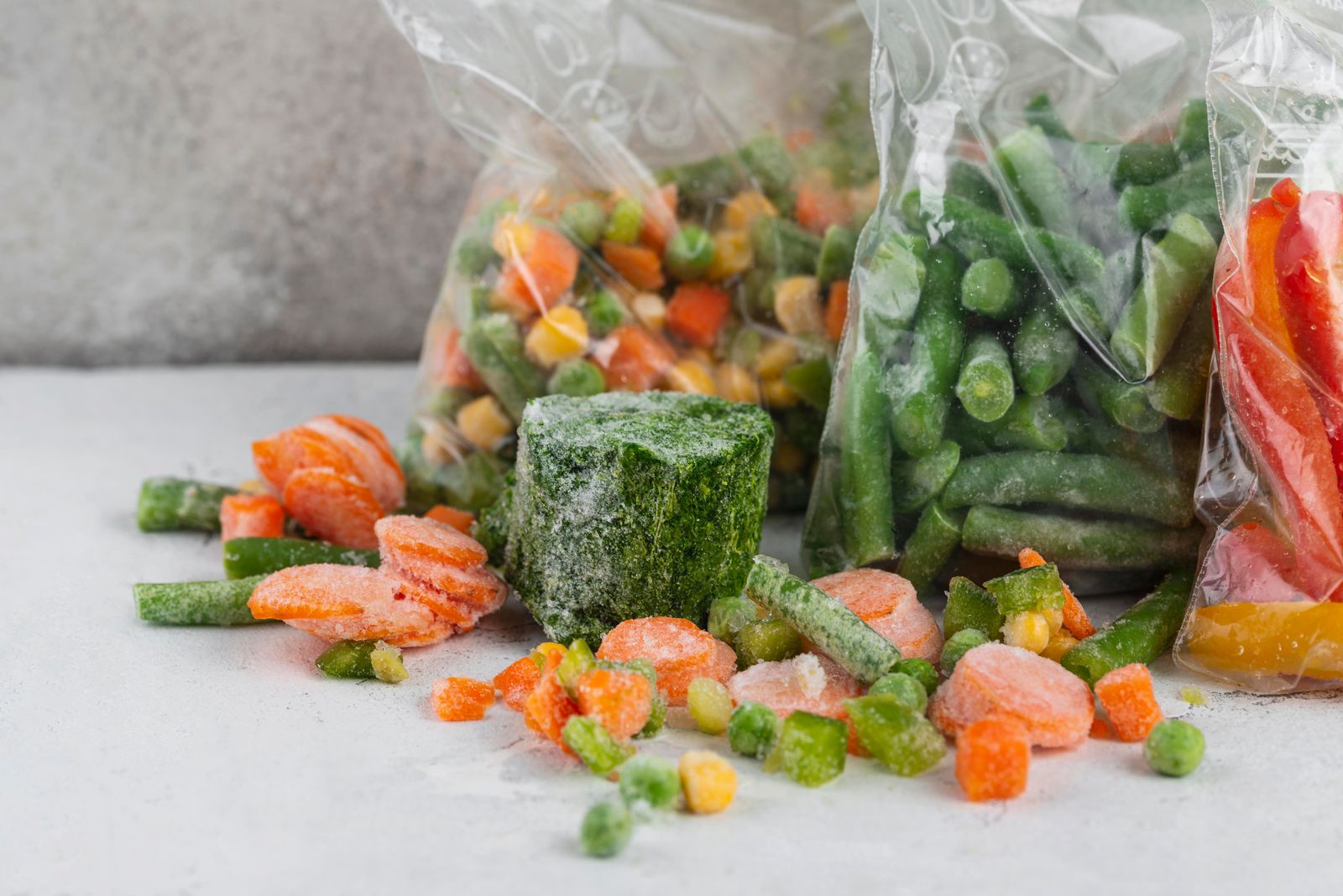
Cooked vegetables freeze and thaw well because cooking changes their structure so texture no longer depends on intact water-filled cells. Vegetables higher in fibre, such as carrots and peas, retain texture quite well after freezing.
Freezing does not reduce nutrition
Frozen fruits and vegetables can retain most of their nutrients because freezing slows chemical reactions that cause nutrient losses over time. Use airtight packaging and freeze food as soon as possible after cooking.
How to freeze safely
Refrigerate or freeze food within two hours of cooking to avoid bacterial growth. Use shallow containers so food freezes faster, minimising ice crystal size. Label containers with contents and date frozen.
The one thing
Foods with intact water-filled cells freeze poorly and turn soggy when thawed, while cooked dishes in liquid freeze well and retain quality.
Read the TL;DR — this story on one card.