From Dallas Express · Dallas Express · · 2m
Can humans have babies in space?
Scientists are discovering that microgravity poses serious challenges to human reproduction at every stage.
In brief
Scientists are discovering that microgravity poses serious challenges to human reproduction at every stage. Microgravity disrupts sperm navigation and embryo development, meaning long-term space missions will need to solve reproduction problems before humans can settle beyond Earth. Originally reported by Dallas…
The space baby question
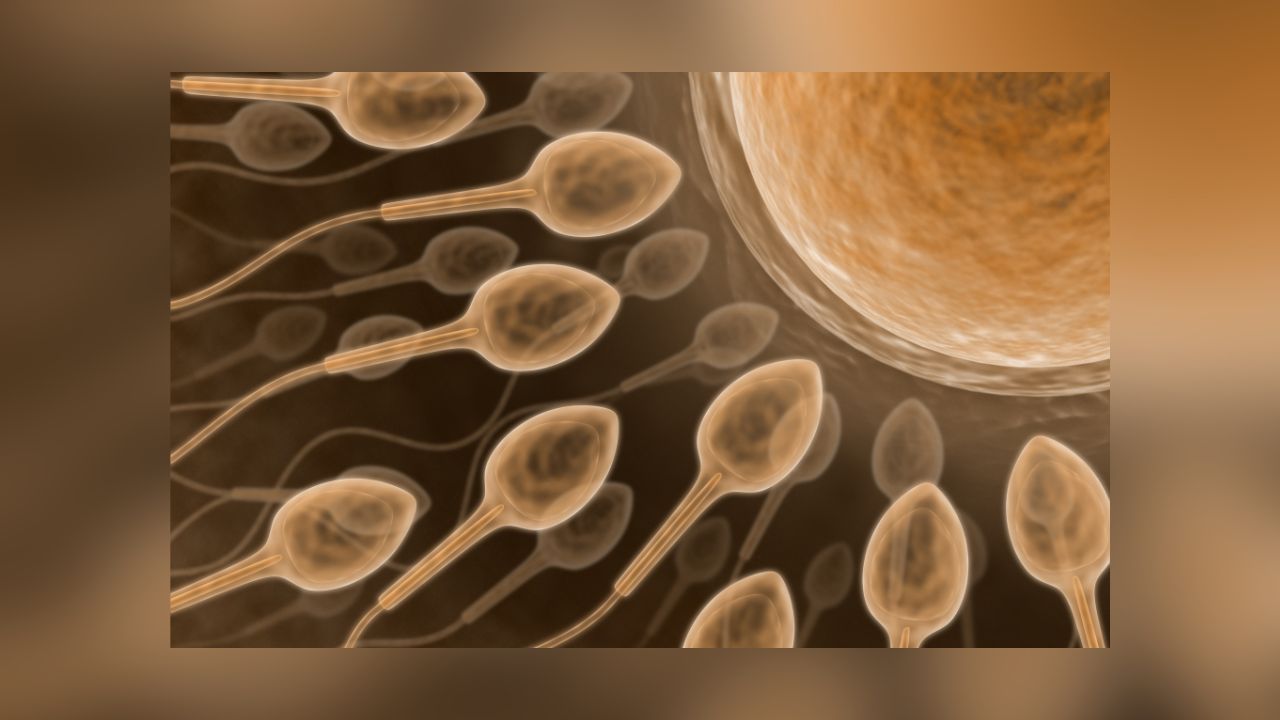
As NASA plans long-term missions to the Moon and Mars, scientists are asking whether humans could reproduce in space. Reproductive biologist Nicole McPherson started investigating after her husband posed the question.
Gravity helps sperm find their way
Researchers at the University of Adelaide used a clinostat device to simulate weightlessness. They found that sperm struggled to navigate through narrow channels in simulated microgravity, with a 50% reduction in successful navigation.
Fertilization rates drop sharply
In experiments with mouse eggs, fertilization rates fell by about 30% under simulated microgravity. The hormone progesterone improved sperm navigation, suggesting it could help overcome some weightlessness effects.
Embryos struggle in weightlessness
Mouse embryos exposed to simulated microgravity during their first 24 hours after fertilization showed delayed growth and fewer cells. Similar problems appeared in pig embryos, suggesting the issue affects multiple species.
Animal studies show mixed results
Scientists have studied rats, quail, frogs, geckos, and zebrafish in space for decades. In 2020, China launched mouse embryos on the Shijian-10 satellite, but only a small number developed into healthy blastocysts.
Radiation poses a second threat
Beyond Earth's magnetic field, astronauts face higher cosmic radiation exposure. High-energy particles can damage DNA in developing embryos, and spacecraft shielding cannot fully block them.
Babies born in space face unknowns
Scientists cannot test how human pregnancy progresses in prolonged microgravity or how a newborn would adapt. A baby developing in low gravity might struggle when returning to Earth's normal gravity.
Research has Earth benefits too
Understanding how gravity affects sperm and embryos could improve fertility treatments and sperm-quality assessment on Earth. The findings may also help agricultural reproduction.
Here's the gist
Microgravity disrupts sperm navigation and embryo development, meaning long-term space missions will need to solve reproduction problems before humans can settle beyond Earth.


