From Dallas Express · Dallas Express · · 4m
Texas sounded the alarm. Now will we act?
Texas has moved aggressively on Islamist threats, but designations without prosecutions leave the real work undone.
In brief
Texas has moved aggressively on Islamist threats, but designations without prosecutions leave the real work undone. Naming organizations is not the same as investigating them. Texas needs investigators, prosecutors, and auditors to match its political will. Originally reported by Dallas Express.
Federal bill stalls in committee
U.S. Rep. Keith Self introduced the Preserving Our Constitution Act to bar federal courts from enforcing foreign or religious laws conflicting with the Constitution. The bill has six cosponsors but no hearing and hasn't moved out of the House Judiciary Committee.
Texas moved first on designations
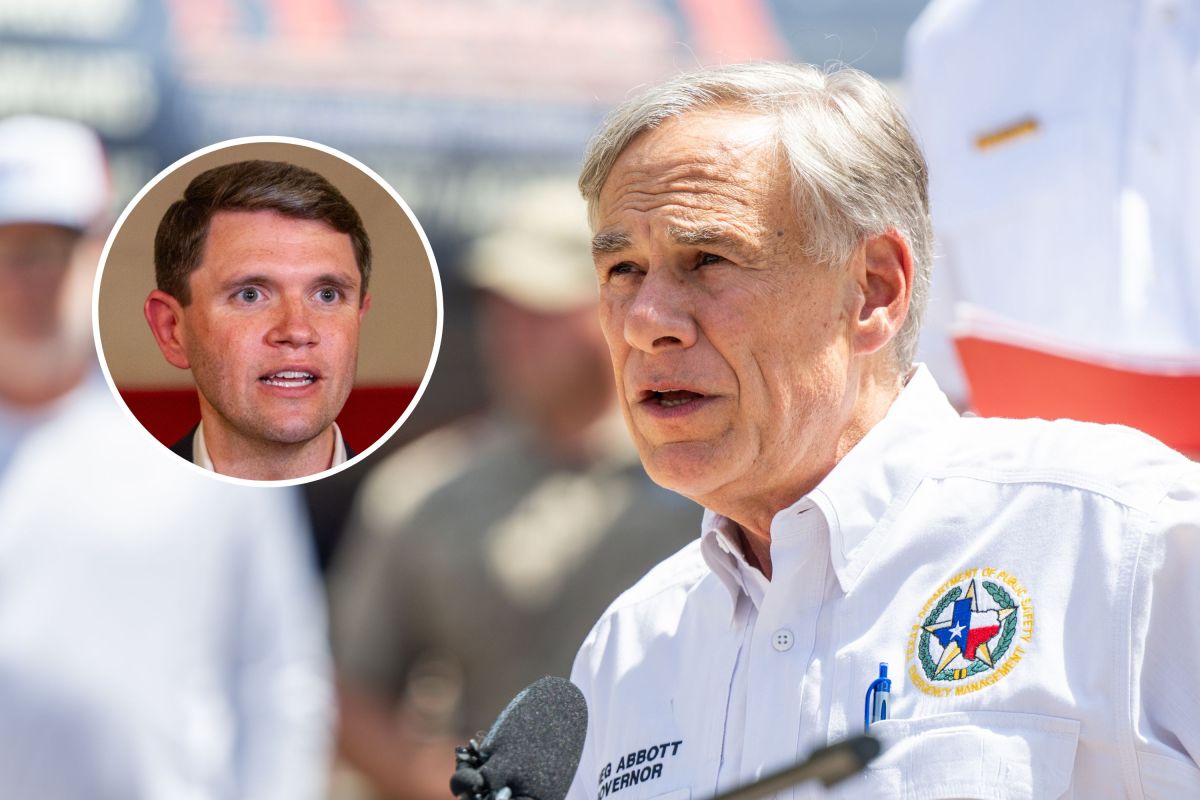
On November 18, 2025, Governor Greg Abbott designated the Muslim Brotherhood and CAIR as foreign terrorist organizations under state law, barring them from acquiring property in Texas. Six days later, President Trump opened the federal designation process.
Federal designations followed Texas lead
In January 2026, the State Department designated the Lebanese Muslim Brotherhood as a Foreign Terrorist Organization, while the Treasury Department designated Egyptian and Jordanian branches as Specially Designated Global Terrorists.
Texas attorney general sued both groups
Ken Paxton sued the Muslim Brotherhood, CAIR, and CAIR's Texas chapters seeking to bar them from operating in Texas and acquiring property. CAIR's Dallas-Fort Worth and Austin chapters countersued in federal court, alleging federal preemption and First Amendment violations.
Islamic Tribunal investigation ongoing
In April 2026, Paxton opened an investigation into the Islamic Tribunal over claims about its relationship to the Texas judicial system. The Islamic Tribunal says it is not a court and that its proceedings are voluntary and nonbinding.
Legislature prioritizes Sharia law prevention
Lieutenant Governor Dan Patrick charged the Senate State Affairs Committee with studying preventing Sharia law in Texas. The Republican Party of Texas made 'Don't Sharia Our Texas' a legislative priority for 2026-2028.
Designations haven't produced arrests
Texas has acted more aggressively than any state on these issues, but the real question is why the designations have not resulted in criminal prosecutions or arrests.
Designation requires actual investigation
A designation creates authority but not a case. It doesn't produce forensic accountants, prosecutors who understand Islamic movements, or agents trained to ask the right questions.
Last major prosecution was 2008
The Holy Land Foundation case in North Texas produced terrorism-financing convictions in Dallas in 2008. No Hamas or Muslim Brotherhood operative has been prosecuted on terrorism charges since then, according to researcher Sam Westrop.
Deobandi networks pose bigger threat
Researcher Sam Westrop argues that Deobandi networks, not the Muslim Brotherhood, are the most serious overlooked threat in Texas. The Taliban emerged from the Deobandi tradition, and Deobandi madrassas operate in Sugar Land and Dallas-Fort Worth.
Seven Islamist networks identified in Texas
Middle East Forum research identifies seven networks in Texas: Qutbists, Deobandis, Barelvis, Salafis, Jamaat-e-Islami, Khomeinists, and Turkish Islamists. Roughly one-quarter of Texas's 650 Islamic nonprofits show influence from these networks.
Designated groups are only part of picture
Texas designated the Muslim Brotherhood and CAIR, but Westrop's analysis identifies six other large, well-funded networks that answer to neither designation. Texas has lit one corner of a dark room and declared it searched.
“We have lit one corner of a dark room and declared the room searched!”
State money flows to aligned nonprofits
Texas-administered programs distributed roughly 16.3 million dollars in state and federal grant money to Islamic nonprofits. More than 14.4 million dollars went to organizations aligned with Islamist movements, according to Middle East Forum research.
Money is in public records, unaudited
Much of the money flowing to these organizations sits in the 501(c)(3) system on public Form 990s and in state grant records. Westrop argues nobody has been assigned to connect these financial dots.
Massachusetts bill raises religious test concern
Massachusetts Senate Bill 2134 would create a state commission to recommend qualified American Muslims for appointive positions at all levels of government. Critics say this violates the constitutional prohibition on religious tests for office.
Organized networks control appointments
Westrop argues that well-funded, organized Islamist networks are better positioned to influence government appointments than ordinary worshippers. They have staff, donors, professional class, and patience that unorganized Muslims lack.
Officials confuse Muslims with Islamists
The central failure of American policy is seeing Muslims where officials should see Islamists. This elevates and sanitizes people who control Muslim institutions while leaving dissidents outside the door.
“Officials see Muslims where they should see Islamists, and in doing so, they fail to identify the actual Muslims who could be their strongest allies.”
Texas needs investigators and auditors
Designations and proclamations are statements of intent. Texas needs forensic accountants, trained prosecutors, and investigators assigned to connect financial records and understand Islamist movements to turn designations into actual cases.
The takeaway
Naming organizations is not the same as investigating them. Texas needs investigators, prosecutors, and auditors to match its political will.