From Digital Camera World · · 50s
AI reads brain waves, can we still need cameras?
Brain-IT AI interprets brain scans to predict images, raising questions about camera use.
In brief
Brain-IT AI interprets brain scans to predict images, raising questions about camera use. Brain-IT AI can translate brain waves into images, potentially making cameras obsolete for memory recall. Originally reported by Digital Camera World.
Brain-IT AI technology
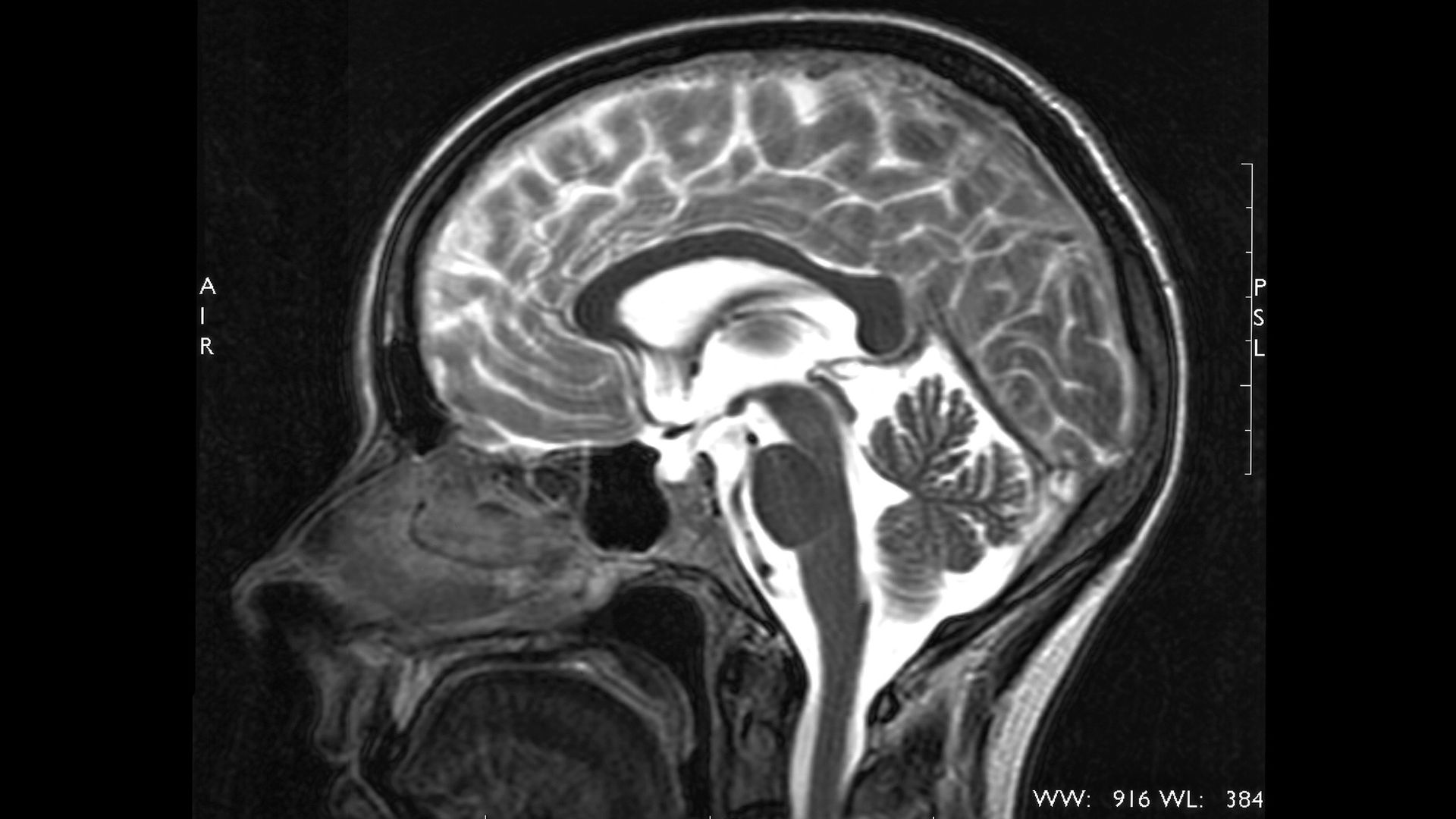
Brain-IT uses Brain Interaction Transformer to interpret brain waves as visual images.
“Using a technology called a Brain Interaction Transformer (BIT), the new Brain-IT, presented by academics, can read a person's brain waves and interpret the signal as a visual image using A.I.”
How it works
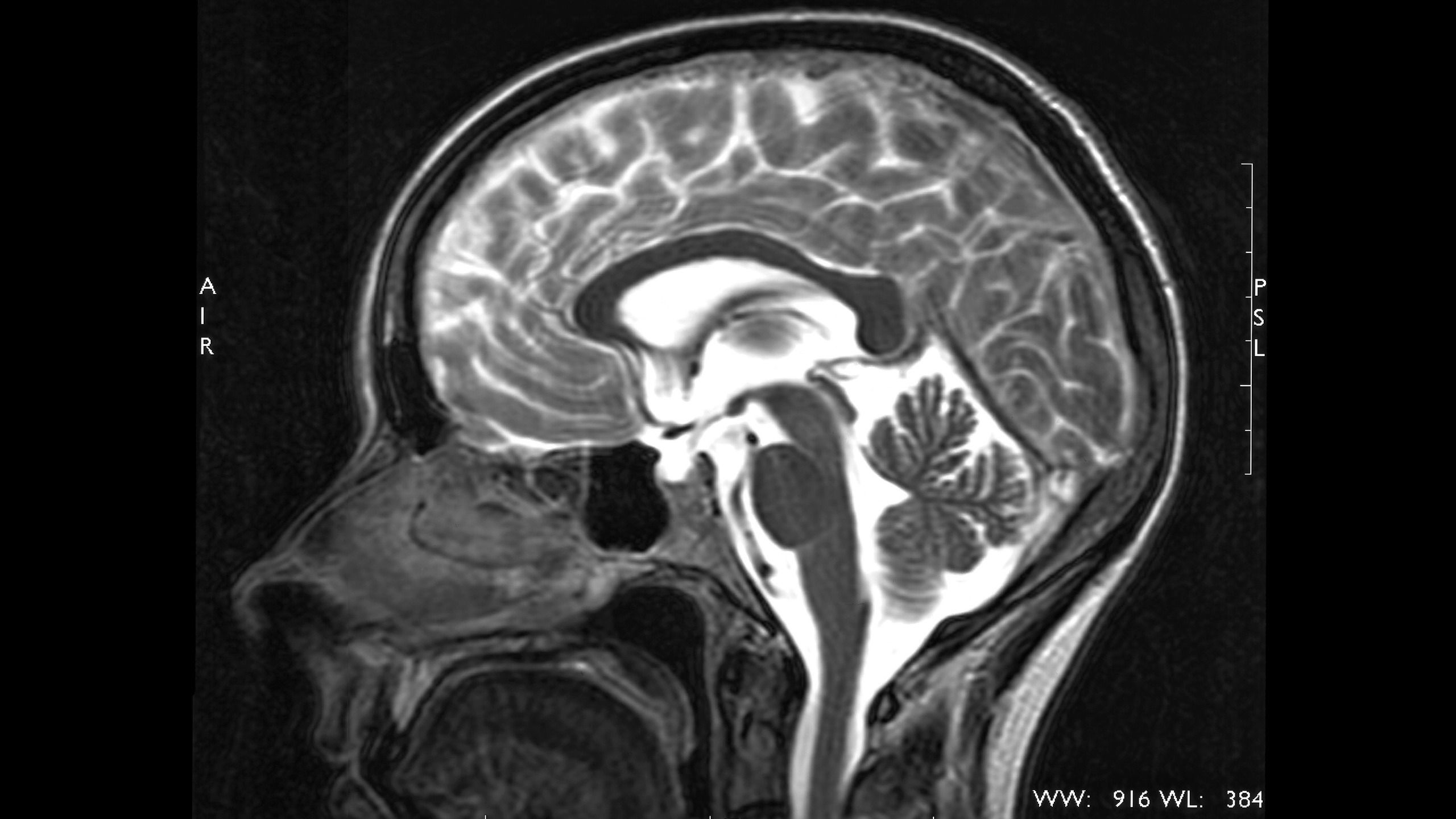
Scans 3d pixels of brain using fMRI to predict visual images.
“What the computer does, in simple terms, is scan the 3d pixels – voxels – of the brain using fMRI, and interpret this data to predict the image”
Training requirements
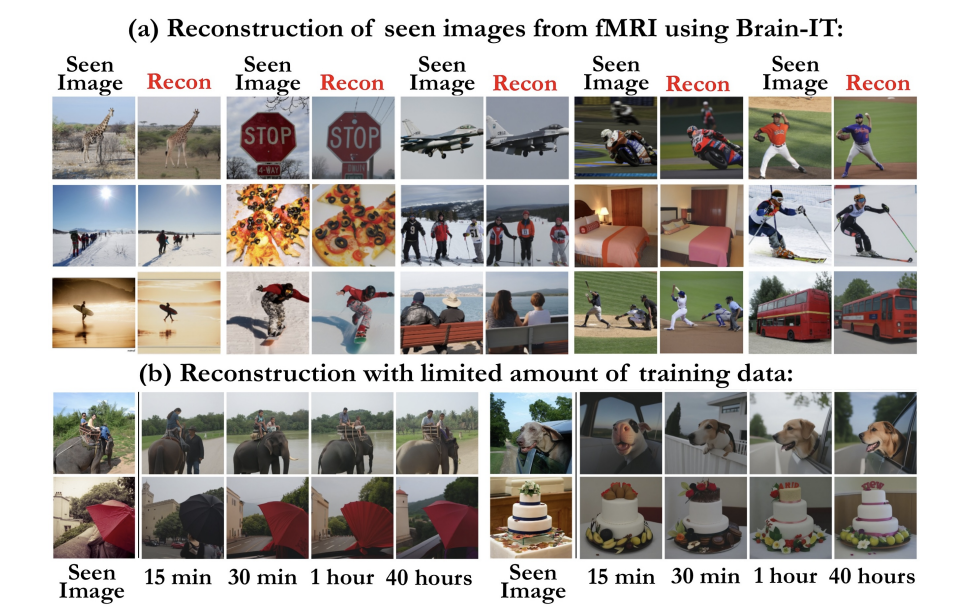
Needs 40 hours of training for accuracy, but works with only an hour of data.
“The usual goal is 40 hours. This is especially true if the system has only had an hour of training”
Research background
Built on 2013 studies linking brain areas to object cognition.
“This study, led by Roman Beliy of the Weizmann Institute of Science, built on other academic works as far back as 2013, when it was identified that different aspects of the cognition of objects took place in connected but different areas of the brain”
Testing results
Uses 73,000 image pairs from Natural Scenes Dataset for accuracy.
“The testing was performed using the Natural Scenes Dataset (NSD), which is one of the few datasets available. It is made up of 73,000 pairs of images (one real, one an fMRI scan made while the subject was looking at it)”
Accuracy improvements
Predicts images more accurately than previous models, including details.
“While the final results are still not perfect, they are far closer to the original image than previous models, incorporating additional details”
Potential applications
Could capture dreams or visual thoughts for privacy concerns.
“It could, for example, be worn while asleep (or worse, put onto someone while asleep) to capture the images from dreams”
At a glance
Brain-IT AI can translate brain waves into images, potentially making cameras obsolete for memory recall.